You said yes. You picked the venue, set the date, and now everyone is asking the same question: tuxedo or suit? It sounds simple until you start researching and find advice pointing in every direction. Some say tuxedos are the only proper choice for a groom. Others insist a well-fitted suit is fine for any wedding. Wedding blogs show grooms in everything from full black-tie to relaxed linen blazers.
The truth is that both can be right, depending on the wedding. This guide gives you a clear framework for making the decision based on your actual situation, not a generic rule. You will learn exactly what separates a tuxedo from a suit, when each one is appropriate, how 2026 trends are reshaping both options, and how to coordinate the full wedding party around your choice.
TLDR: A tuxedo is the right choice for black-tie and formal evening weddings. A suit is the right choice for daytime, outdoor, and semi-formal weddings. The deciding factors are your dress code, your venue, and the time of day. For most Kansas City grooms, the sweet spot is a well-fitted custom suit or a custom tuxedo built specifically for the occasion. Not rented, not off-the-rack.
What Actually Makes a Tuxedo Different from a Suit
Before you make any decision, you need to understand what you are actually choosing between. Most men describe a tuxedo as “fancier” without knowing why. Here is the real answer.
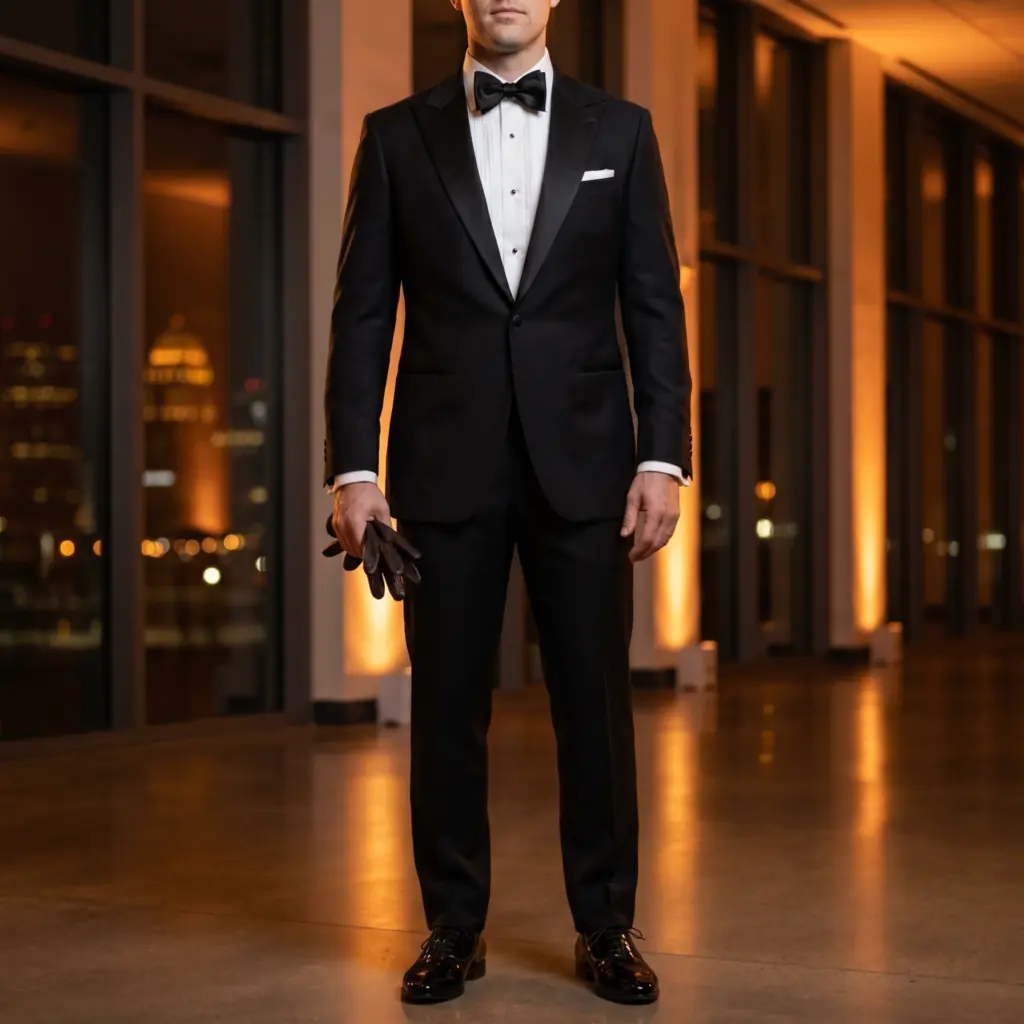
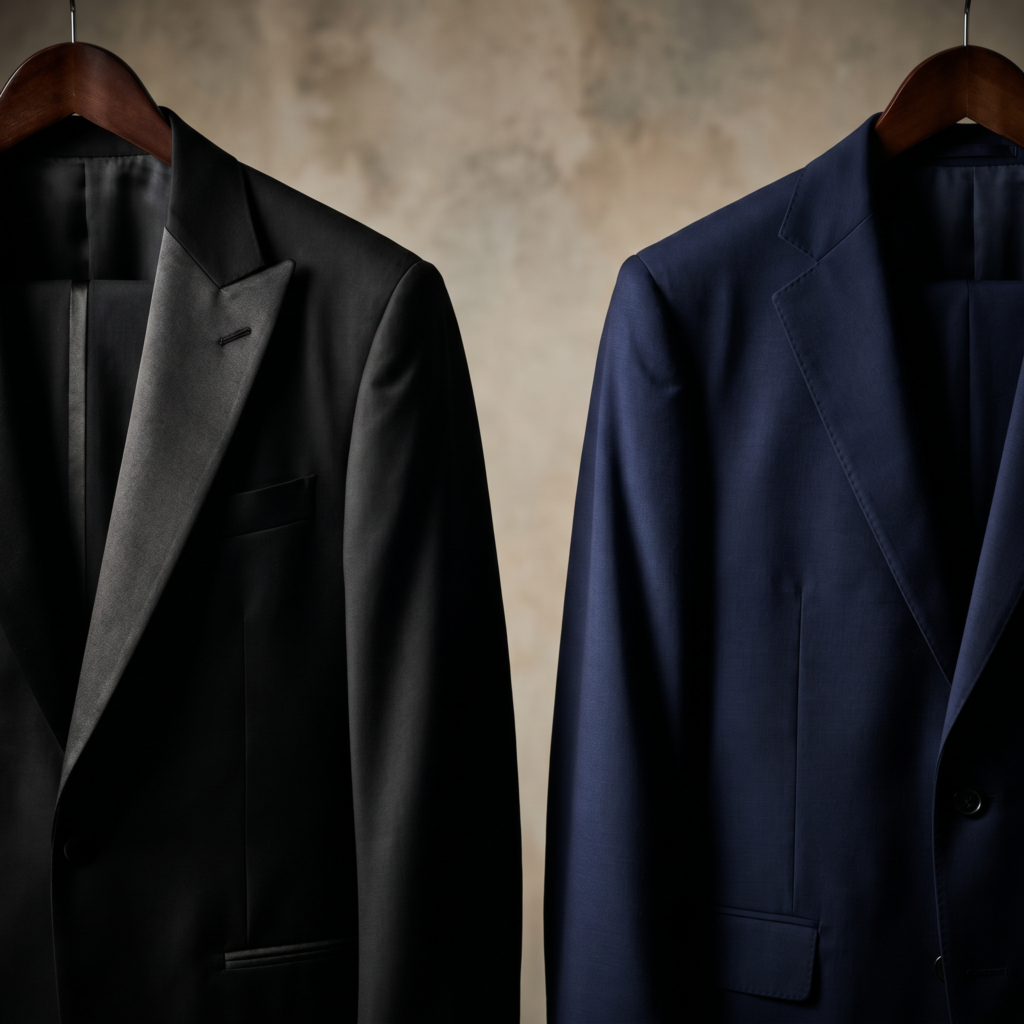
The difference is satin. That is it. A tuxedo is fundamentally a suit with satin detailing applied at specific points: the lapels, the buttons, sometimes the pocket trim, and a stripe running down the outer seam of each trouser leg. A suit uses the same fabric throughout. No satin anywhere. The satin on a tuxedo is designed to catch and reflect evening light in a way that signals formality.
Here is the full breakdown of what sets them apart:
FeatureTuxedoSuitLapelsSatin-facedSame fabric as jacketButtonsSatin-coveredHorn, plastic, or metalTrouser stripeSatin stripe on outer seamNo stripeBelt loopsNone (suspenders or side adjusters)YesTraditional neckwearBow tieNecktie or bow tieShirt styleBib-front or pleated with studsStandard dress shirtShoesPatent leatherLeather Oxford or dress shoeOccasionFormal evening eventsBusiness, weddings, events, dailyTime of dayEvening (after 6 PM, traditionally)Any time
The absence of belt loops on tuxedo trousers is something most people miss. Tuxedo trousers are designed to be worn with suspenders or side-adjusting tabs, which keeps the waistband clean and uninterrupted. A belt with a tuxedo is technically a mistake, even if the pants happen to come with loops.
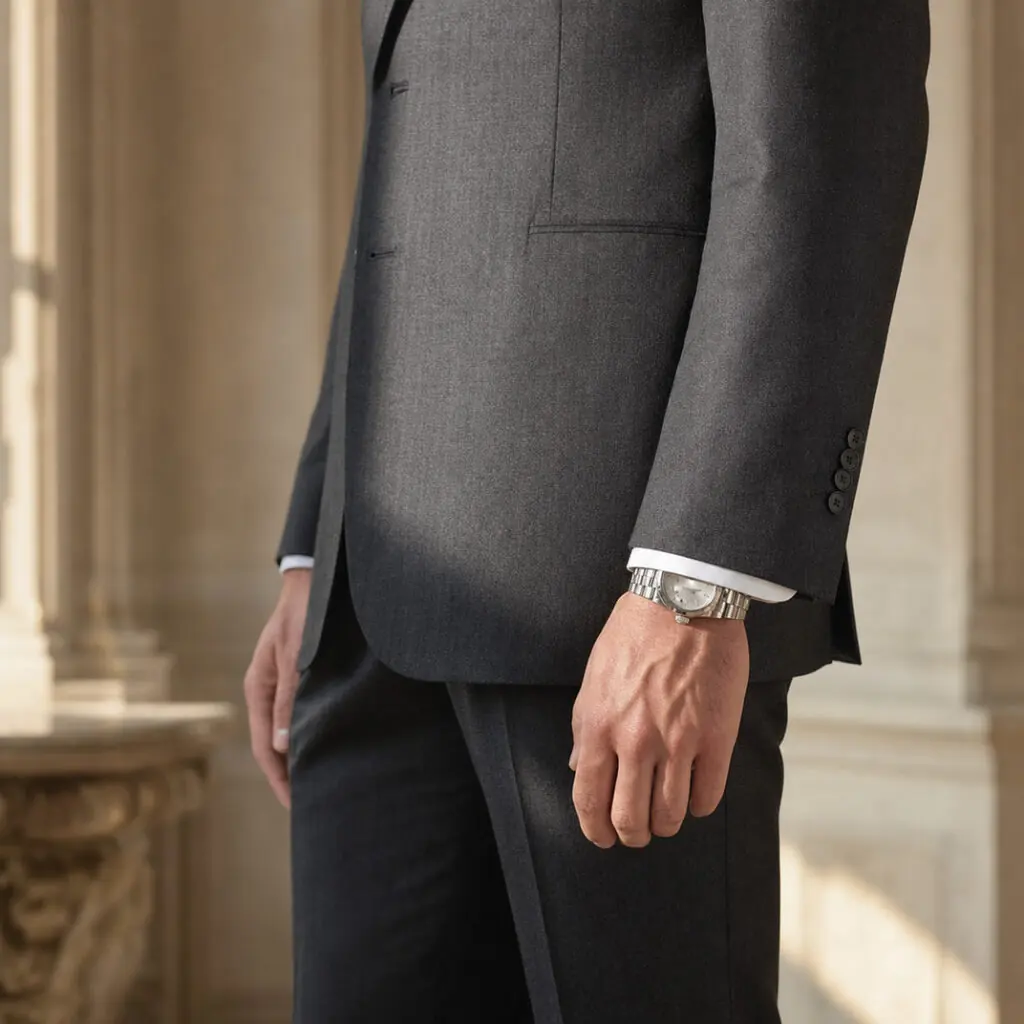
One clarification on formality: tuxedos and suits both exist on a spectrum. A properly constructed custom suit in midnight blue is more elegant than a poorly fitted rental tuxedo. Formality is not just about the garment category. It is about how well the garment fits, how it is built, and whether it was made for the person wearing it.
The Decision Framework: How to Choose
There is no single right answer for every groom. There is a right answer for your wedding. Work through these four factors in order.
Factor 1: Your Dress Code
If your invitation specifies a dress code, that settles the question. Here is what each designation actually means for the groom:
White tie: The most formal dress code in existence, and extremely rare for modern weddings. Requires an evening tailcoat with white vest, white bow tie, and a formal shirt with a wing collar. This goes beyond a standard tuxedo.
Black tie: The classic formal evening standard. Traditional tuxedo required. Black jacket with satin lapels, black bow tie, formal shirt, patent leather shoes. If your invitation says black tie, a tuxedo is the correct and expected choice.
Black tie optional: Signals a desire for formality while giving guests some flexibility. As the groom, wearing the tuxedo distinguishes you from guests who choose to wear suits. Either choice is acceptable, but a tuxedo fits the spirit of the occasion.
Formal or semi-formal: A well-fitted suit in navy, charcoal, or black is the primary expectation. A tuxedo is not required and may read as overdressed depending on the setting.
Cocktail attire: Suit territory. This is one of the most common wedding dress codes in 2026. Flexibility on color and style, but a suit is expected.
Dressy casual, garden party, or beach: Suit, or in very casual settings, a well-fitted blazer with dress trousers. A tuxedo would be out of place.
No dress code specified: Default to what fits the venue and time. When in doubt, a smart suit in a classic color is the safest and most appropriate choice.
Factor 2: Your Venue and Time of Day
Dress code sets the floor. Your venue and timing refine the choice.
Tuxedo-appropriate settings (evening, after 6 PM):
- Hotel ballrooms, grand reception halls, and upscale venues
- Historic mansions, museums, and exclusive event spaces
- Country clubs and formal dining venues
- Urban rooftop venues with a formal ambiance
Suit-appropriate settings:
- Outdoor gardens, vineyards, and farms
- Rustic barns, lodges, and ranch venues
- Destination weddings (beach, mountain, travel locations)
- Casual restaurants, breweries, and relaxed indoor spaces
- Any ceremony beginning before 6 PM, regardless of venue elegance
The 6 PM guideline exists for a practical reason. Satin catches and reflects light in ways specifically designed for evening illumination: candlelight, chandeliers, and dim reception halls. Under bright afternoon sun, satin can look out of place on a tuxedo. A suit handles both environments well.
Factor 3: Your Partner’s Attire
Your attire and your partner’s attire are one visual system. They will appear together in every photograph for the rest of your lives. Formality mismatches are noticeable and impossible to fix after the fact.
A useful way to think about it:
Partner’s AttireYour Best MatchCathedral or ball gownTuxedo or very formal dark suitFloor-length formal gownTuxedo or formal suitCocktail or midi-length dressDark suitShort dress or jumpsuitSuit in a relaxed styleCasual or destination attireLight suit or blazer with trousers
Coordinate early. Your partner likely has strong opinions about the overall visual of the wedding, and getting alignment before you commit to a look avoids surprises.
Factor 4: Personal Style and Reuse
Want to see how this plays out in a real build? Explore our custom wedding suits page - it walks through fabrics, construction, and what to expect at your first appointment.
Consider how the garment fits into the rest of your life. A suit you will wear to future job interviews, business meetings, client dinners, and other weddings is an investment that compounds in value over time. A tuxedo serves a narrower range of occasions.
If you already own good suits and attend formal events regularly, a custom tuxedo is a meaningful addition to your wardrobe. If this is your only formal occasion in the foreseeable future, a strong suit may deliver more long-term value. Neither answer is wrong. It is a practical question worth asking before committing.
Not sure which direction fits your wedding? The Suit Doctor’s Kansas City custom wedding suit consultation walks you through the full decision with fabric swatches in hand and no pressure to commit before you are ready.
2026 Trends: What Kansas City Grooms Are Choosing
The tuxedo vs. suit conversation has shifted noticeably heading into 2026. Here is what is showing up most often in consultations.
Tuxedo Trends for 2026
The traditional black tuxedo remains the most popular choice for formal evening weddings, but grooms are personalizing more intentionally than in years past.
Colors moving beyond black: Navy, deep midnight blue, and rich jewel tones (burgundy, deep emerald, sapphire) are gaining meaningful ground for evening weddings. Navy photographs exceptionally well and works across a wider range of accessories and groomsmen coordination options than pure black.
Lapel preferences: Shawl and peak lapels are both trending for 2026 in different directions. Shawl lapels are showing up in more fashion-forward tuxedo builds, particularly in velvet and jacquard fabrics. Peak lapels remain the choice for grooms who want maximum formality with a modern silhouette.
Texture and fabric: Velvet tuxedos continue to generate interest for evening and winter weddings. Jacquard fabrics with subtle tone-on-tone patterns add depth without sacrificing sophistication. Both work especially well for grooms who want a distinctive look without going into bold color territory.
Fit: Clean, structured tailoring with a tailored waist is the 2026 standard. The oversized, boxy cuts of the rental era are out. A modern tuxedo fits close through the chest and shoulders with a slight waist suppression that gives the jacket shape without pulling.
If you are leaning tuxedo, our deeper read on every tuxedo decision (lapel style, fabric, accessories, timing) is in the Kansas City groom’s guide to custom tuxedos.
Suit Trends for 2026
The suit side of the market is seeing equally strong movement, driven by the rise of destination weddings and outdoor celebrations.
Earthy and soft palettes: Sand, sage green, warm gray, and soft stone are showing up frequently in spring and summer 2026 wedding consultations. These colors work particularly well for outdoor and garden ceremonies where deep blues and charcoals can feel too heavy.
Lightweight construction: As more weddings take place outdoors and in warm climates, lightweight suits in tropical wool, linen blends, and open-weave fabrics are becoming the practical preference for summer and early fall. Kansas City grooms with June through August weddings should treat fabric weight as a primary consideration, not an afterthought.
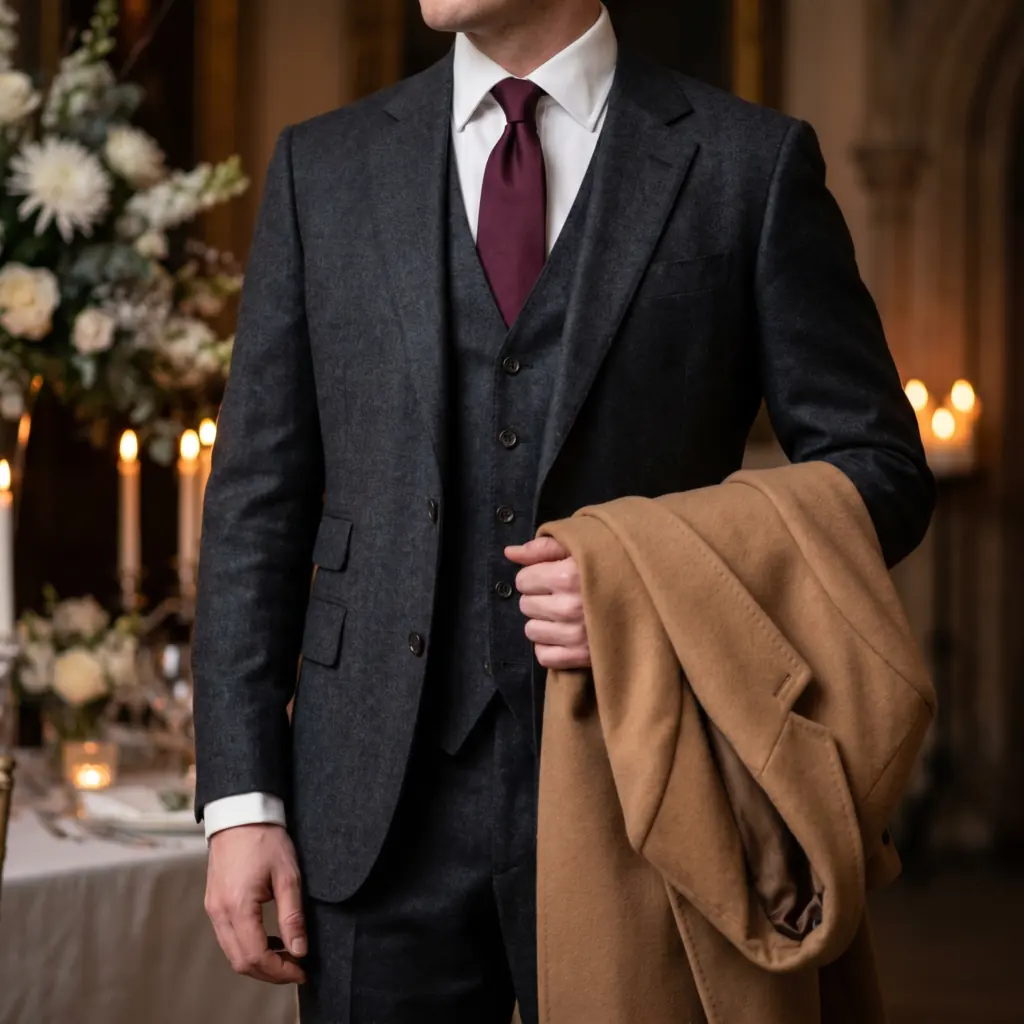
Three-piece suits: Adding a vest continues to be a popular way to give a suit a formal, polished appearance closer to a tuxedo’s visual impact. A well-fitted three-piece suit in charcoal or navy reads as distinctly formal without the satin detailing of a tuxedo.
The no-tie look: More grooms are choosing open-collar shirts with well-fitted suits, particularly at outdoor and destination weddings. The combination works when the suit itself is built well and the overall styling is intentional.
Renting vs. Buying: The Honest Breakdown
This is the conversation that follows naturally from the tuxedo vs. suit question.
Rental packages typically run a few hundred dollars for a full setup including the jacket, trousers, shirt, vest, and tie. Off-the-rack suits and tuxedos run higher. Custom and made-to-measure wedding suits and tuxedos at The Suit Doctor typically range from $1,200 to $2,000 or more per suit, depending on fabric and customization choices.
Here is where the rental math breaks down. A rental garment is designed to fit a range of body types, not yours. It is adjusted to come close, but the shoulder seam may sit off-center, the jacket may bunch at the back, and the trousers may not break at the right point over your shoe. These are not small issues. They show in every photograph. The difference between a well-fitted garment and a rental is visible in every picture from the day.
When you own a custom suit or tuxedo, you also own the garment for every formal occasion that follows: charity galas, black-tie work events, future weddings, and anniversaries. Over time, the cost per wear on a quality custom piece compares favorably to recurring rental fees.
The practical rule: If you will wear formal attire two or more times in the next three years, buying is almost always the better financial decision. If this is genuinely a once-in-a-lifetime event with no expectation of future formal occasions, renting can make sense. Most men who go through a wedding realize they want to wear the suit or tuxedo again. Plan accordingly.
Coordinating Your Look with the Wedding Party
Choosing your own attire is only half the decision. The groom’s look and the wedding party’s look need to work together as one visual system.
How to Stand Out from Your Groomsmen
You should be immediately recognizable as the groom in any photograph. There are several clean approaches to creating that distinction:
- Different garment category: Groom in a tuxedo, groomsmen in matching or coordinating suits
- Lapel distinction: Groom in a peak lapel tuxedo, groomsmen in notch lapel suits
- Color distinction: Same cut and style, but groom in midnight navy while groomsmen wear charcoal or medium gray
- Vest distinction: Groom wears a vest, groomsmen do not
- Accessory distinction: Same suit, but groom has a different tie, pocket square fold, or lapel pin
All of these approaches photograph cleanly and give the group a cohesive look without making the groom blend in.
Managing Groomsmen Coordination
The biggest coordination challenge is typically getting all groomsmen measured, ordered, and fitted on time. Six months before the wedding is the right window to start. By three to four months out, everyone should have placed their order.
For out-of-town groomsmen, mobile fitting services can schedule a group session at a central location, like the groom’s home or the best man’s place, to get everyone measured in one visit. For groomsmen who cannot travel in before the wedding, remote measurement coordination is also an option.
The Suit Doctor’s Process: What to Expect
The Suit Doctor builds custom and made-to-measure suits and tuxedos for Kansas City grooms and groomsmen. The process is structured to take the guesswork out and keep your timeline on track.
Consultation: You start with a conversation about your wedding’s formality, venue, season, and overall aesthetic. If you bring photos or your partner’s vision, even better. The team walks you through fabric swatches in person so you can feel every option before committing.
Measurements: A proper fitting captures the full set of measurements needed to build the garment to your proportions, including posture, shoulder slope, and body shape. For groomsmen, coordination happens whether they are local or traveling in.
When you're ready to put this into practice, you can book a mobile fitting at your home or office with Brandon and get measured in person.
Production and fittings: Custom and made-to-measure suits typically require several weeks of production. Multiple fittings are included to assess fit at each stage, with a final fitting two to four weeks before the wedding.
Two ways to meet: Visit The Suit Doctor’s Kansas City location at no charge, or book a mobile fitting for a $200 fee that is applied as a credit toward your suit when you order. The fee is non-refundable if no order is placed.
FAQ: Tuxedo vs. Suit for Your Wedding
Q: Is a tuxedo or suit better for a wedding?
Neither is universally better. A tuxedo is the right choice for black-tie and formal evening weddings. A suit is the right choice for daytime, outdoor, semi-formal, and destination weddings. The best choice depends on your specific dress code, venue, and time of day.
Q: Can I wear a suit to a black-tie wedding as the groom?
Technically yes, but you will be underdressed relative to the stated dress code and relative to guests who wear tuxedos as instructed. If your invitation specifies black tie, a tuxedo is expected. As the groom, you set the visual tone for the entire event.
Q: What is the most popular groom look for 2026?
For evening weddings, midnight navy and classic black tuxedos with peak or shawl lapels are the leading choices. For daytime and outdoor weddings, lightweight suits in navy, charcoal, sage, and earthy neutrals are trending strongly. Three-piece suits remain popular across both categories.
Q: Do I need to wear a bow tie with a tuxedo?
A bow tie is the traditional and technically correct accessory with a tuxedo at a formal event. Modern grooms increasingly wear neckties or even open-collar shirts with tuxedos, particularly at less formal or outdoor weddings. At a black-tie event, a bow tie is expected. At a semi-formal occasion, a necktie with a tuxedo is acceptable.
Q: Should my groomsmen wear the same thing I wear?
Not necessarily the same. They should wear coordinating attire at the same level of formality. Groom in a tuxedo and groomsmen in matching dark suits is a common and visually clean approach. Fully matching tuxedos across the entire party also works well for black-tie weddings.
Q: How far in advance should I start the process?
Six months before your wedding is the right window to have your first consultation. For custom or made-to-measure suits and tuxedos, production typically takes several weeks, and you want at least two fittings with time between each. Starting early also gives you the widest fabric and style selection.
Q: What is the difference between renting and buying a tuxedo?
A rental is a production garment adjusted to fit close to your size. A custom or made-to-measure tuxedo is built to your exact measurements and body shape. The fit difference is visible in photographs. You also own a custom piece, which means you can wear it again for future formal occasions rather than renting repeatedly.
Q: Is a tuxedo appropriate for a daytime wedding?
Traditional etiquette designates tuxedos as evening wear, most appropriate for events beginning after 6 PM. For a daytime wedding, even a formal one, a well-fitted suit is typically the more appropriate choice. Modern weddings are less strict about this rule, but when in doubt, the suit is the safer and more classic option for anything before late afternoon.
Q: How do I choose between a tuxedo and a suit if I am unsure?
Work through the four factors in order: dress code, venue and time, your partner’s attire, and reuse value. If any one factor points clearly in one direction, follow it. If all four factors feel neutral, a strong custom suit in a classic color is a choice you will never regret.
Key Takeaways
- Satin is the difference: A tuxedo is a suit with satin lapels, buttons, and a trouser stripe. That is the only structural difference between them.
- Tuxedos belong at evening events: Black-tie invitations require a tuxedo. Formal evening venues after 6 PM call for one. Everything else calls for a suit.
- Dress code first, then venue: If the invitation specifies a dress code, follow it. If not, let the venue and time of day guide the decision.
- Coordinate with your partner: Formality mismatch shows in every photograph. Make sure your attire matches your partner’s level of dressiness.
- 2026 trends: Midnight navy and jewel-tone tuxedos are leading for evening events. Earthy, lightweight suits dominate outdoor and daytime weddings.
- Buy, do not rent: Rental garments are not built for your body. A custom or made-to-measure suit or tuxedo fits correctly, photographs better, and serves you for years.
- Start six months out: Custom production takes time. Multiple fittings require space between appointments. The earlier you start, the more options you have.
Ready to Build Your Wedding Look in Kansas City?
You now have a clear framework for making the right choice between a tuxedo and a suit for your wedding. The decision comes down to your dress code, your venue, your partner’s attire, and how you want the look to serve you going forward.
The Suit Doctor builds custom and made-to-measure suits and tuxedos for Kansas City grooms and groomsmen. Every detail is handled, from the initial fabric consultation through groomsmen coordination and final fittings.
The Suit Doctor offers:
- Custom and made-to-measure tuxedos and suits built to your exact measurements
- Full groomsmen coordination for local and out-of-town wedding parties
- In-person fabric swatch consultations so every choice is made with full information
- Mobile fitting services at your home or a central location
- A clear timeline built around your wedding date
Ready to start? Schedule your Kansas City wedding suit consultation with The Suit Doctor.
The Suit Doctor | Custom and Made-to-Measure Suits and Tuxedos for Kansas City Grooms Who Take Their Wedding Day Seriously.
Get measured for a suit built around how you actually live.
Fittings for grooms, groomsmen, and the whole wedding party.