We’ve fitted men who refuse to settle for off-the-rack compromises. A custom suit isn’t about luxury, it’s about precision. Every measurement matters. Every fabric choice serves a purpose. Whether you’re closing deals, standing at the altar, or simply showing up as the best version of yourself, your suit should move with you, not against you.
The difference between a good suit and a great one? About two hundred micro-adjustments and someone who knows exactly where they go.


A great suit starts with precision measurements, but it doesn't end there. It's about understanding how you move, where you need structure, and what you're trying to accomplish. Every stitch serves a purpose. Every fabric choice matters. From the way your collar sits to how your sleeves break at the wrist, the details separate a suit that fits from one that belongs to you. This is custom tailoring the way it should be: precise, personal, and built to last.

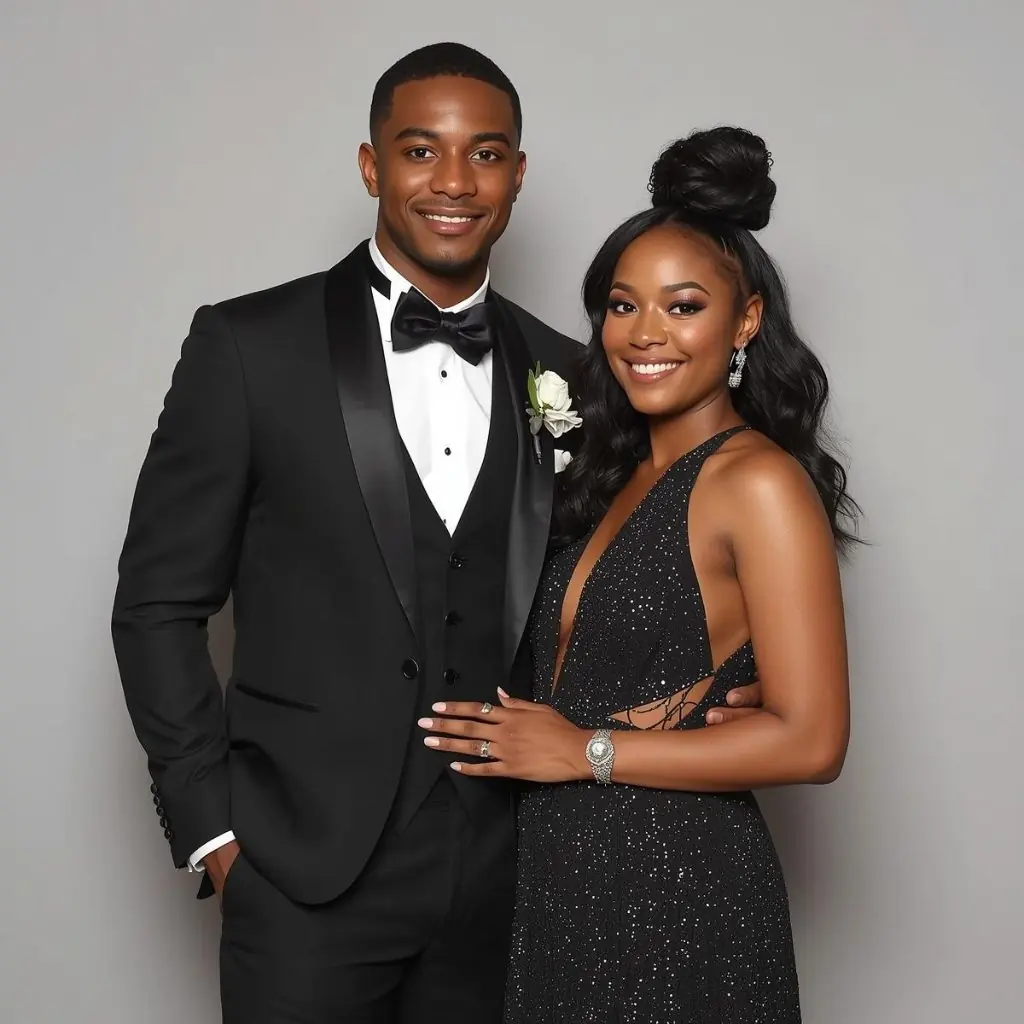
Custom-fitted suits for grooms and groomsmen that photograph perfectly and feel comfortable all day. From initial consultation to final fitting, we ensure your wedding party looks sharp and coordinated. Fabric selection, style guidance, and group fittings available, because your wedding day deserves better than rental-grade suits.

We bring the fitting room to you. Whether it's your office, home, or event venue, our traveling fitting service delivers the full custom suit experience wherever you need it. Perfect for busy professionals, corporate groups, or wedding parties who need convenient, professional measurement and consultation without the trip to the shop.

Custom business suits built for men who need to command attention in the boardroom. Precise tailoring and premium fabrics that hold their structure through long days and frequent wear. We'll guide you through fabric selection, fit preferences, and styling details that match your professional environment and personal style.
Think of the jacket as the piece that does the heavy lifting. It’s what people see first when you walk into a room, and it shapes the way they read you before you’ve said a single word. When a jacket fits the way it should, your shoulders look strong, your waist looks clean, and you stand a little taller without even trying. That’s not an accident. That’s what good structure does.
So what makes a jacket actually fit? It starts at the shoulders. The seam at the top of the sleeve should land right at the edge of your natural shoulder. Not wider, not narrower. When that line is right, the whole jacket falls into place below it. When it’s wrong, nothing else can save it. That’s why off-the-rack jackets frustrate so many guys. If the shoulders don’t match your body, no tailor can fix it after the fact.
From there, the jacket should sit flat against your shirt collar. No gaps pulling away from your neck, no fabric bunching up behind it. When you button it, the front should close smoothly without pulling tight across your chest or floating away from your body. And your sleeves should stop just above your wrist so a little bit of your dress shirt cuff peeks out. That small detail is one of the easiest ways to tell whether a jacket actually fits or just comes close.
The style details matter too, but they’re simpler than they sound. The lapel is the folded fabric on the front of your jacket, and the shape you choose changes how formal or modern the suit looks. The buttons sit at a specific point on your midsection that affects how tall and proportional your torso appears. And the way the fabric follows the shape of your chest, instead of puffing out or laying flat like a board, is what makes the jacket look like it belongs on your body and nobody else’s.
This is the piece that matters most because everything else in your suit builds off of it. Get the jacket right and the rest of the suit has a foundation to work from.

When guys think about suits, they think about the jacket. But the trousers, which is just the suit industry’s word for your pants, carry half of how you look. You could have the best fitting jacket in the room, but if your pants are bunching at the ankle, sagging in the seat, or pulling tight across your thighs, people notice. And it undoes all the work the jacket did up top.
Good trouser fit starts at the waist. Your pants should sit comfortably where you naturally wear them without needing a belt to do all the heavy lifting. A belt should be an accessory, not a rescue device. Below the waist, the seat of the pants, the part that covers your backside, should follow your body’s shape without extra fabric ballooning out or pulling so tight that you can’t sit down comfortably. Through the thigh, the fabric should hang smoothly. No clinging, no billowing, just a clean line from your hip to your knee.
This is where buying off the rack gets tricky. A tag that says “34 waist” tells you one number about one part of your body. It doesn’t know anything about the shape of your hips, how your thighs are built, or what happens to the fabric when you sit down at your desk for three hours. That’s why so many guys own pants that fit fine standing up and look completely different the moment they take a seat.
Then there’s the break. That’s the spot where your pant leg meets the top of your shoe, and it’s one of the most visible details in your entire suit. Too much fabric stacking at the ankle and the suit looks dated and sloppy. Too little and you’re showing sock when you didn’t plan to. The right amount depends on the shoe you’re wearing, the width of the pant leg, and how formal you’re dressing. We set your break length during the final fitting with your actual shoes on, because getting this right with a different shoe and hoping it transfers doesn’t work.
You also get to choose details that most guys don’t know they have a say in. Flat front or pleated. Cuffed at the bottom or a clean hem. The style of the waistband. Each one changes how the trousers look and feel, and the right choice depends on your body, your suit, and what you’re wearing it for. We walk you through all of it so you’re making choices that work together, not guessing.

A vest, sometimes called a waistcoat, is the piece that goes between your dress shirt and your jacket. Not every suit has one, but once you’ve worn one, you’ll wonder why you waited. It adds a layer that makes the whole suit feel more complete and put together. But the real reason a vest earns its place? It’s your best friend when the jacket comes off.
Think about how your day actually goes. You’re not wearing your jacket for eight straight hours. At some point, it’s coming off. Maybe the room is warm. Maybe you’re at a reception and the dancing starts. Maybe you’re just sitting at your desk and want to be comfortable. In a two-piece suit without a vest, taking the jacket off leaves you in a dress shirt and pants. It’s fine, but it’s forgettable. With a vest underneath, you still look layered, polished, and like you planned for the moment. That’s a big difference.
Fit is everything with a vest. It should sit snug against your shirt without being tight. You don’t want gaps along the sides where the fabric pulls away from your body, and you don’t want it so snug that the buttons strain when you sit down. The bottom edge should just cover your waistband so no shirt fabric peeks out between the vest and your trousers. When it fits right, it follows the shape of your torso and moves with you naturally.
You’ve got options with how the vest looks too. A vest made from the same fabric as your jacket and trousers creates a clean three-piece look that reads as formal and unified. A vest in a different color or texture adds personality and visual interest while still looking intentional. For weddings, the vest is one of the most popular ways a groom sets himself apart from his groomsmen without wearing a completely different suit. For business, it adds authority. For prom, it gives you a layered option that looks great on the dance floor when the jacket is hanging on the back of your chair.

The dress shirt is the layer that sits between your body and your suit, and it touches almost everything else in your look. How your jacket collar sits. How your sleeves look at the cuff. How comfortable you feel against your skin for the entire day. Most guys treat the shirt as an afterthought, something white they grab on the way out the door. But a poor shirt choice can quietly undermine even the best jacket.
The collar is the most important part of your shirt, and it’s the part most guys have never thought about. Your collar frames your face. It’s right there at the top of your suit, sitting between your jacket lapels, holding your tie in place, and creating the frame that people look through when they talk to you. Different collar shapes do different things. A wider spread collar opens up your neckline and works well if you have a narrower face. A pointed collar lengthens your look and works well with a rounder face. The collar also has to work with your tie and your jacket lapel so everything between your chest and your chin looks balanced. When those proportions are off, something feels wrong even if you can’t quite figure out what it is.
The cuffs are a small detail that people notice more than you’d expect. Your dress shirt sleeve should extend just a little past the end of your jacket sleeve, about a quarter to half an inch. That small line of visible cuff is one of the clearest signals that your suit actually fits. Too much cuff showing and it looks like your jacket sleeves are too short. No cuff showing at all and the jacket swallows the shirt. We build this relationship into your measurements so the jacket and shirt work together from the start.
Color and fabric are simpler than most guys think. A crisp white shirt is the most versatile option you can own. It works with any suit color, any tie, and any level of formality. Light blue is a close second and pairs naturally with navy and grey. Beyond those two, subtle patterns like a fine stripe can add depth without distracting from the suit. The fabric weight should match the season. A heavier cotton keeps its structure in cooler months while a lighter weave breathes easier when things heat up.
One more thing that most guys get wrong. Your undershirt. A visible crew neck poking out above your dress shirt collar looks careless. A v-neck undershirt in white or a shade close to your skin tone sits below the collar line and stays invisible where it should. It’s a tiny detail, but it’s one of the first things people notice when it’s wrong.

The tie is the piece that draws your eye straight up the center of the suit to your face. It connects your shirt, your collar, and your lapels into one line, and when it’s chosen well, it pulls the whole upper half of your look together. When it’s wrong, either too wide, too narrow, too long, or tied with the wrong knot, it quietly throws everything off.
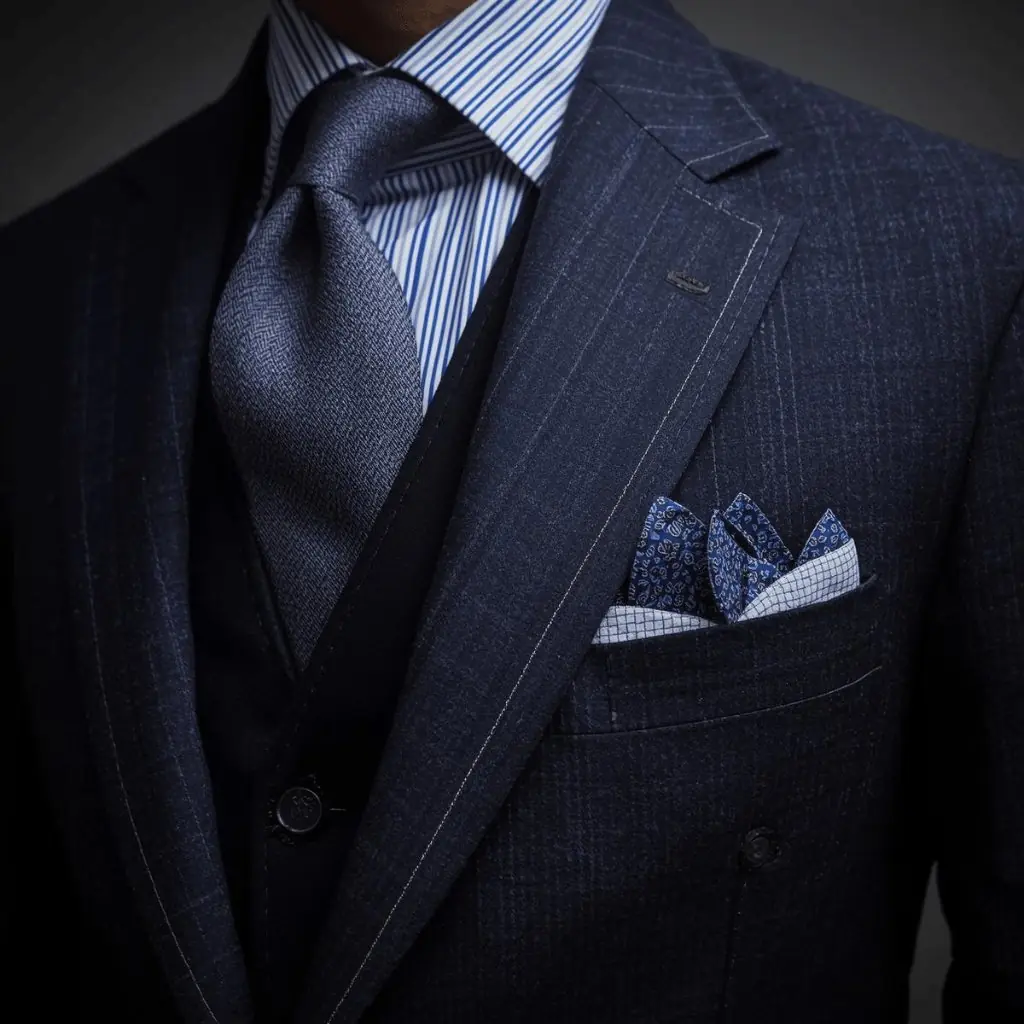
Here’s the thing most guys don’t realize. Your tie width needs to relate to your lapel width. The lapel is the folded section of fabric on the front of your jacket, and the tie sits right next to it. If the tie is significantly wider or narrower than the lapel, it creates an imbalance that makes the suit look like two separate outfits forced together. When they’re proportionally similar, everything flows naturally from your chest up to your collar and face. We figure this out during your consultation so the tie and the jacket are planned together, not matched up the morning you wear it.
The knot matters too. There are a few common options, and each one fills your collar differently. A four-in-hand is the most common and slightly casual. It creates a small, slightly uneven knot that works well with most collar styles and everyday occasions. A half-Windsor is a step up in size and symmetry, filling out a wider collar more completely. A full Windsor is the largest and most formal, but it can look oversized on a smaller frame. The right knot depends on which collar style you chose for your shirt and how formal the occasion is. Most guys learn one knot and use it everywhere, which works until they pair it with a collar that doesn’t match. We’ll help you figure out which knot works with the specific collar and lapel you chose.
Length is simple but gets ignored constantly. The tip of your tie should reach the top of your belt buckle or waistband, give or take a half inch. Too short and it looks juvenile. Too long and it looks sloppy. If you’re wearing a vest, the tie tucks behind it and the length becomes less of a concern, which is another practical reason vests are worth considering.
When it comes to color and pattern, the tie should complement your suit without fighting it. A solid tie in a rich color works with almost anything and handles every level of formality. A patterned tie adds personality, but the pattern should contrast with your suit. If your suit has a bold pattern, your tie should be simpler. If your suit is a solid color, your tie has more room to make a statement. Keeping that balance is what makes the look feel intentional rather than busy.

The pocket square is a small piece of folded fabric that sits in the breast pocket of your jacket, right at chest level next to your lapel and tie. It’s the smallest detail in your suit and one of the most powerful, because it’s the finishing touch that tells people you thought about your look instead of just throwing it on.
The biggest mistake guys make with pocket squares is matching them exactly to their tie. It feels like the logical move, and it’s what most guys do when they’re guessing, but it actually flattens your look. When your pocket square is the same color and pattern as your tie, the upper half of your suit feels like a boxed set you picked up at a department store. Instead, your pocket square should complement your tie. That means it works in the same neighborhood without being a copy. If your tie is solid navy, your pocket square could be a warm burgundy, a patterned fabric with navy in it, or a clean textured white. The contrast is what creates depth. The coordination is what keeps it from looking random.
How you fold it changes the feel of the whole jacket. A flat fold, sometimes called a presidential fold, shows a clean straight line of fabric just above the pocket. It’s the most formal and understated option and works in any professional or dressy setting. A puff fold is softer and more relaxed, giving the pocket a rounded shape that reads as confident without being stiff. A multi-point fold adds more visual personality and works well for weddings, prom, or occasions where you want the detail to stand out. We show you how each fold looks with your specific jacket so you can pick the one that matches the occasion.
The fabric of the pocket square doesn’t need to match your suit fabric, but it should feel like it belongs. Silk has a natural sheen and folds smoothly. Linen holds sharper creases and looks more structured. Cotton or wool adds texture and works well with more casual or textured suit fabrics.
If you’ve never worn a pocket square before, it feels like an unnecessary extra. But once you see the same jacket with one versus without one, the difference is obvious. Without it, the breast pocket sits empty and the jacket looks unfinished. With it, the whole chest area has balance and intention. It’s a small detail, but it’s the one that separates a guy who put on a suit from a guy who got dressed on purpose.

Your shoes are the last thing you put on and one of the first things people notice. They anchor the bottom of your suit and set the tone for how formal, how modern, or how relaxed the whole outfit reads. A great suit with the wrong shoes is like a great meal on a paper plate. Something just doesn’t add up.
Color is the first thing to figure out, and it’s simpler than it seems. Black shoes are the most formal choice. They work with charcoal, black, and navy suits, and they’re the safe call for any professional or black-tie setting. Brown gives you more range. A dark brown works with navy and grey suits across almost any occasion. A lighter tan or cognac leans more modern and relaxed, pairing well with lighter suit colors and warmer tones. The easy rule is that your shoe should be darker than your trouser color. And if the shade is close but not quite matching, it looks like you tried and missed, which is worse than a deliberate contrast.
Style tells people how formal you are without saying a word. A cap-toe oxford, the shoe with a clean horizontal line across the toe, is the most versatile dress shoe you can own. It works for business, weddings, formal events, and everything in between. A whole-cut oxford is cleaner and more minimal for a modern look. Monk straps have a buckle instead of laces and add personality in business and semi-formal settings. Brogues and wingtips have decorative perforations that add texture and character but read as slightly less formal. Loafers sit at the casual end and work best with lighter, less structured suits or relaxed dress codes.
Your belt needs to match your shoes. Black shoes, black belt. Brown shoes, brown belt in a similar shade. The hardware should coordinate with your other metals too. Silver buckle with a silver watch. Gold with gold. When these small things line up, the whole look feels thought through. When they don’t, something feels off even if most people can’t point to exactly what it is.
Condition matters more than price. A well-maintained shoe at a moderate price point looks better than an expensive pair that’s scuffed and creased. A shoe tree inserted after each wear keeps the shape from collapsing, and a quick polish before a big event takes five minutes and makes them look new. We’ll point you in the right direction on care so your shoes age well instead of just aging.
If you’re buying shoes for prom, a wedding, or a specific event, think about what else you’ll wear them with afterward. A dark brown or black oxford works far beyond a single night and earns its cost over years. A bold or trendy shoe might look great once and then sit in your closet. We’ll help you think through the decision so you’re putting your money where it makes sense.

Most guys think of a belt as the thing that holds their pants up and nothing more. But when you’re wearing a suit, the belt sits right at the center of your body where the jacket opens, and it becomes one of the most visible details from the moment you unbutton or take off your jacket. A cheap belt, a worn-out belt, or one that doesn’t match your shoes quietly tells people you stopped thinking about your outfit below the chest.
The first rule is simple. Your belt matches your shoes. Black shoes, black belt. Brown shoes, brown belt in the same shade family. This isn’t a style suggestion. It’s the baseline that holds the lower half of your look together. When the colors are off, even a little, people’s eyes catch it. When they match, nobody thinks about it, which is exactly how it should work. Your hardware should coordinate too. A silver buckle works with a silver watch and cufflinks. Gold with gold. These small details are what make a look feel intentional instead of thrown together.
Width and buckle style matter more than you’d think. A dress belt should be thinner than a casual belt, usually around 1 to 1.25 inches wide. Anything wider starts looking casual and competes with the clean lines of your suit. The buckle should be simple, clean, and flat. No oversized logos, no heavy hardware, no novelty designs. The belt is a supporting player. It should do its job quietly and let the rest of the suit do the talking.
Suspenders are the other option, and they work differently than most guys expect. Instead of cinching at the waist like a belt, suspenders hold your trousers from the shoulders. The result is a cleaner look through the front of your trousers, no bunching at the waist, and your pants stay at the same height all day whether you’re sitting or standing. A belt can shift and loosen over the course of a long day. Suspenders don’t.
If you go with suspenders, there are a few things to know. The correct choice for a suit is button-on suspenders that attach to buttons sewn inside your waistband. Clip-on suspenders are casual at best and can damage your fabric over time. Never wear suspenders and a belt at the same time. It defeats the purpose of both, and it looks like you couldn’t decide. Width should be about 1 to 1.5 inches for a dress look, and the color should work with your suit without being distracting.
Choosing between a belt and suspenders comes down to preference and occasion. A belt is the standard and works across every setting. Suspenders make a quieter statement and add a layer of sophistication that shows up when the jacket comes off. We’ll help you figure out which one works best for your build, your suit, and the occasion.

Every piece we just talked about does its own job. The jacket frames your shoulders. The trousers carry the line from your waist to your shoes. The vest gives you options when the jacket comes off. The shirt sets the foundation for your collar and cuffs. The tie draws the eye to your face. The pocket square finishes the chest. The shoes anchor the bottom. The belt or suspenders connect the top half to the bottom half. But a suit isn’t really about any one of those pieces on its own. It’s about all of them working together.
That’s the difference between custom and off the rack. When you buy a suit off a rack, you’re matching pieces that were made separately for a general idea of a body. The jacket sort of fits. The trousers sort of match. The shirt is something you already owned. You stand in a mirror and things look close enough from a distance, but up close, the details don’t quite connect. The tie is a little too wide for the lapel. The trouser break is a little too long for the shoe. The collar doesn’t sit right with the knot you tied. Nothing is terrible on its own, but nothing is talking to anything else either.
Custom is the opposite. Every piece is planned in relationship to every other piece from the very first conversation. Your lapel width informs your tie width. Your trouser break is set to your specific shoe. Your shirt collar is chosen to work with your face shape, your tie knot, and your jacket collar all at the same time. The pocket square is selected to complement the tie, not copy it. The belt or suspenders are matched to the shoes. Nothing is accidental and nothing is left to chance.
You feel the difference the moment you put it on. Everything sits where it’s supposed to. Nothing pulls, nothing gaps, nothing bunches. You move naturally because the suit was built around how your body actually works, not how a size chart guessed it might. And when you look in the mirror, you’re not adjusting and pulling and second-guessing. You’re looking at a version of yourself where everything just works.

Custom suits from The Suit Doctor typically range from $1,200 to $2,000 or more, and depending on the fabric and options you choose, it’s possible to come in under that starting number as well.
Every build is different because every suit is different. Your fabric selection, the level of customization you choose, and what you’re building all factor into the final price.
We walk through every option and what it costs during your consultation, so you know your total before you commit to anything. There are no hidden fees, no surprise charges, and no pressure to add things you don’t need.
Whether you’re building your first custom suit or adding to a wardrobe you’ve been developing for years, you’ll know exactly where you stand financially before we move forward.
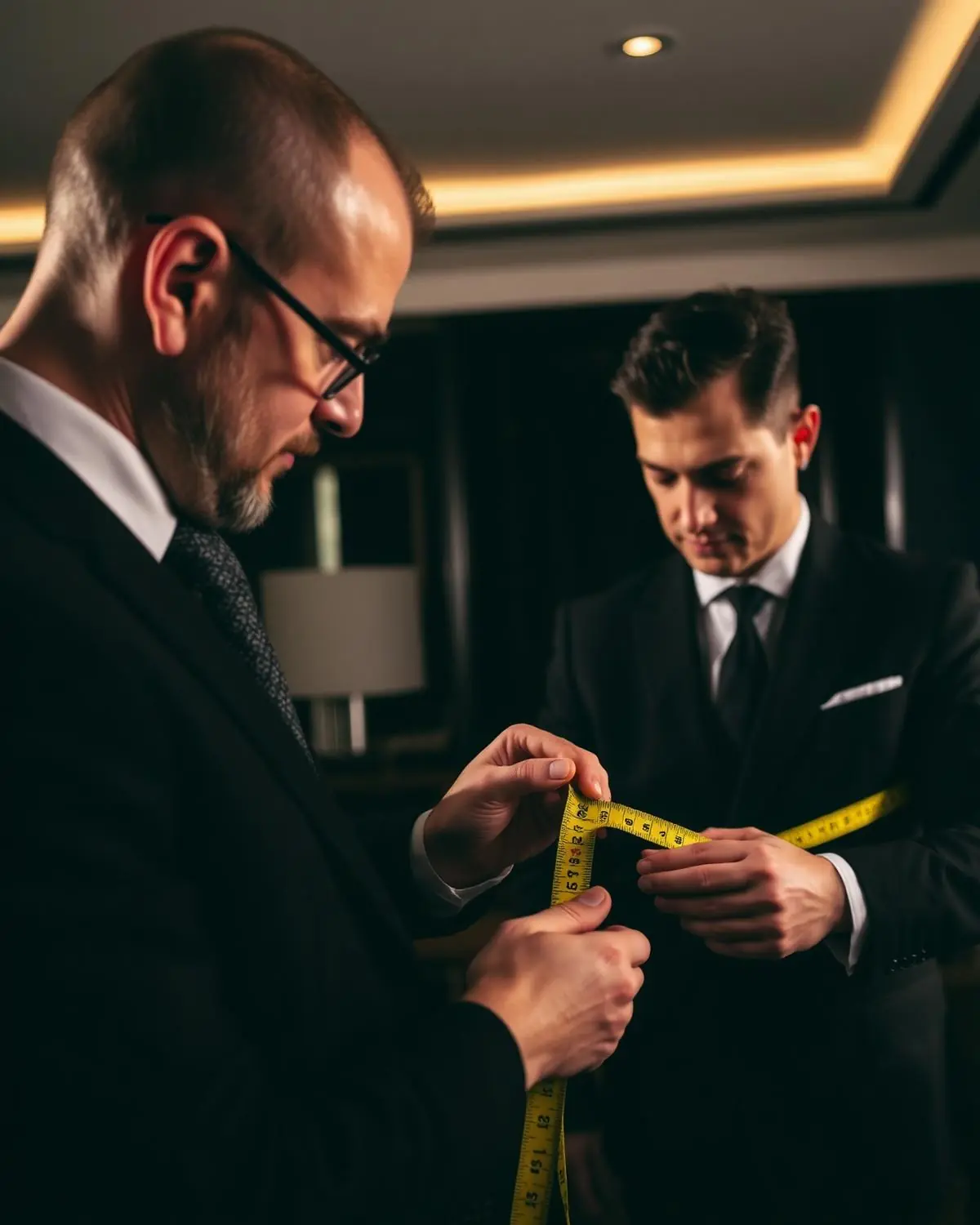
It starts with a consultation where we sit down with you and talk about what you need, what you like, and what the suit is for.
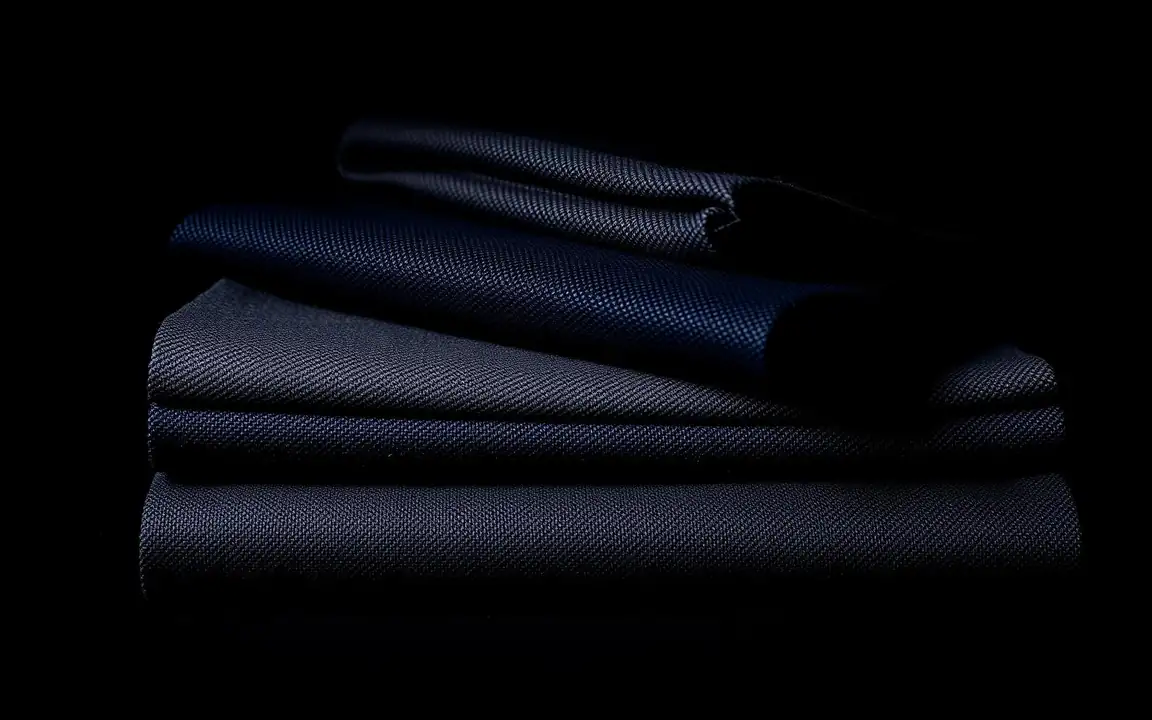
From there we walk through fabric options you can see and feel in person, take a full set of precise measurements that go well beyond basic sizing, and cover every customization detail from lapel style and pocket configuration to lining color and trouser finish.
Once everything is locked in, your suit goes into production and is built from scratch using a pattern cut specifically for your body. When it comes back, we do a final fitting to make sure every detail is right, and we teach you how to wear it, move in it, and look confident in it all day.
The whole process is designed so you understand every decision and feel good about every choice before we move forward.
Both options work. You can visit our Kansas City fitting location at no charge for your consultation, or we can come to your home, office, or wherever is most convenient.
Mobile fittings include a $200 fitting fee that is charged at booking and applied as a credit toward your suit if you order, but is not refundable if you decide not to move forward. The consultation experience is the same either way.
You get a full two-hour session covering style, fabric, measurements, and every customization detail. Most Kansas City clients choose based on whatever fits their schedule best, and we’re happy with either option.
Production timelines vary based on your fabric selection and the complexity of your build, but most custom suits are ready for a final fitting within a few weeks of your consultation.
We give you a clear expected completion date before we leave your consultation so you can plan around it. If you’re working toward a specific event like a wedding, a job interview, a formal occasion, or prom night, tell us during your first conversation.
We build your production schedule around your real deadline so there’s time for your final fitting and any adjustments without anyone scrambling at the last minute.
The earlier you start the process, the more relaxed the timeline feels for everyone.
Not a thing. A large number of our Kansas City clients are going through the custom process for the first time when they walk through our door or we walk through theirs.
Some guys come in with photos saved on their phone and strong opinions about every detail. Others don’t know the difference between a notch lapel and a peak lapel and have never been measured for anything beyond a t-shirt size. Both situations are completely normal, and we guide you through every decision either way.
We explain what each option is, what it does, and why it matters in plain terms so you understand the choices you’re making rather than just trusting someone else to make them for you.
By the end of your consultation, you’ll know exactly what your suit will look like, how it will fit, and why every detail was chosen. No prior suit knowledge required.
An off-the-rack suit is cut from a standard pattern designed for a general body shape, and you pick the size that comes closest.
Close is the key word, because it’s never exact. One shoulder might sit wider than yours, the jacket length might not match your torso proportions, and the trousers have no idea what your thighs or hips actually look like.
You take it to a tailor and they do what they can, but there are limits to what alterations can fix, especially at the shoulders where the entire jacket structure is set.
A custom suit starts from scratch. Every measurement is taken from your body. The pattern is cut for your proportions, your posture, and how you naturally carry yourself. You choose the fabric, the lapel, the lining, the pockets, the buttons, the trouser details, and every finishing touch.
The result is a suit that fits the way it’s supposed to because it was built around you specifically, not adjusted after the fact to get partway there.