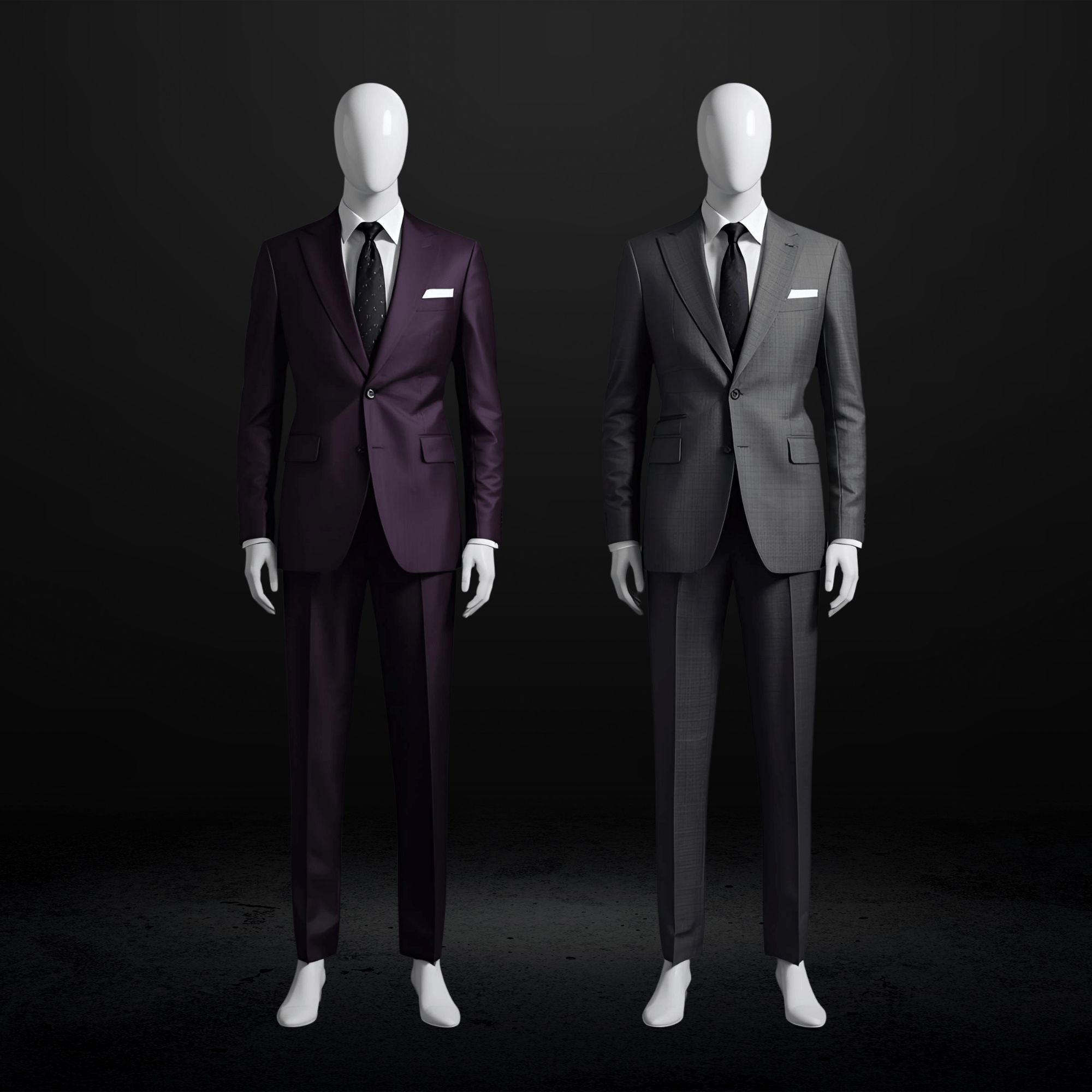
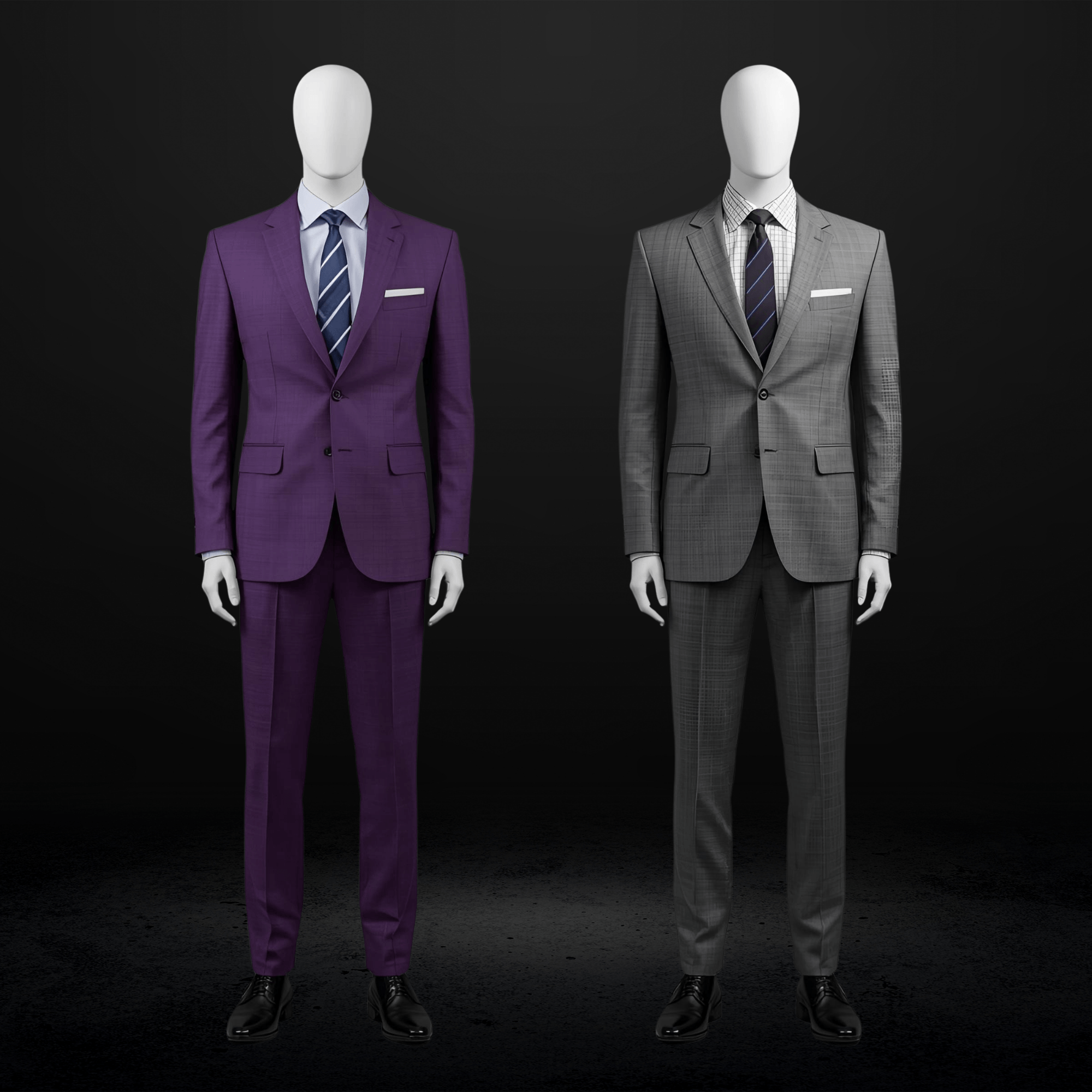
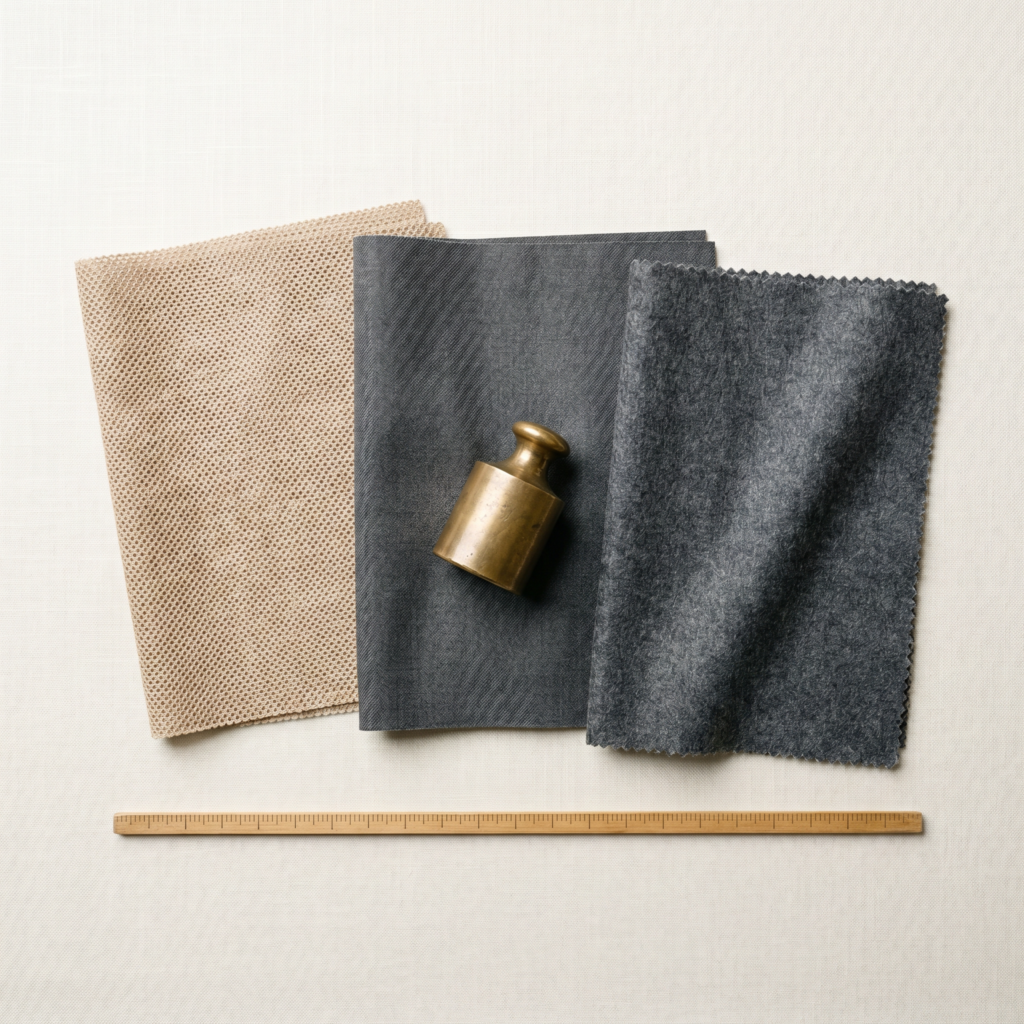
Suit fabric weight tells you how warm or cool a suit will feel, and matching that weight to the season is the single biggest comfort decision you will make. This guide explains ounces and grams, separates weight from the Super number, and shows which weights work for Kansas City’s four real seasons.
TLDR: Suit fabric weight is measured in ounces per yard or grams per square meter, and it controls warmth and breathability, not quality. Lightweight cloth (roughly 7 to 9 oz) suits hot summers, midweight (9 to 11 oz) works much of the year, and heavyweight (11.5 to 14 oz) belongs in winter. In a four-season city like Kansas City, one suit cannot do it all. Read on to choose the right weight for each season and skip the sweat and the shivers.
Why fabric weight is the comfort decision that matters most
Most men choose a suit by color and fit. Those matters. But weight quietly decides whether you spend July sweating through your shirt or December shivering at a bus stop.
Fabric weight describes how much a set area of cloth weighs. Heavier cloth traps more warmth. Lighter cloth lets more air through. That simple idea drives nearly every comfort choice in tailoring.
In a climate with a hot, humid summer and a genuinely cold winter, weight is not a detail. It is the difference between a suit you reach for and one that stays in the closet. Let us break down the numbers so you can buy with confidence.
What the numbers mean: ounces, grams, and width
Tailors measure suit cloth in two units. In the United States, the common unit is ounces per yard. In most of the rest of the world, mills use grams per square meter, written as gsm or g/m2. Both describe the same thing: the weight of a standard area of fabric. A higher number means heavier cloth.
Standard tailoring cloth is woven on a bolt about 59 to 60 inches wide. This width matters because some weights are quoted per linear yard of that wide cloth rather than per square yard.
The oz-to-gsm conversion you can trust
One ounce per square yard equals 33.906 gsm, the standard textile conversion factor. To convert any weight yourself, multiply the ounce figure by 33.906. Use this set as a quick reference:
| Ounces per yard | Approx. gsm |
|---|---|
| 7 oz | 237 gsm |
| 8 oz | 271 gsm |
| 9 oz | 305 gsm |
| 10 oz | 339 gsm |
| 11 oz | 373 gsm |
| 12 oz | 407 gsm |
| 14 oz | 475 gsm |
One caveat that trips up shoppers
There is a catch. Grams per SQUARE meter and grams per LINEAR meter are not the same. A linear meter measures the length of the full-width bolt, so its number runs higher for the same cloth. If a mill or website lists a figure in grams, confirm whether it means square meters or linear meters before you compare. Otherwise, you may think a cloth is much heavier than it is.
Weight versus the Super number: they measure different things
This is the point that confuses most shoppers, so read it twice. Weight and the Super number measure two completely different qualities.
Weight measures warmth and breathability. It tells you the season a suit suits.
The Super number measures fineness, meaning how thin the individual wool fibers are. Fineness is graded in microns, which are millionths of a meter, and the scale is set by the International Wool Textile Organisation Super S Code of Practice. Under that code, a Super 80s must use wool of 19.75 microns or finer, and every step of ten lowers the maximum diameter by 0.5 microns, running up to Super 250s at 11.25 microns. In practice, that puts a Super 100s near 18.75 microns and a Super 120s near 17.75 microns. The finer fiber feels softer and smoother, but it is not automatically better, and it is not warmer.
Here is the key teaching point. A single Super grade can be woven at many weights. You can find a Super 130s in a light summer cloth and a Super 130s in a heavy flannel. So the Super number tells you nothing about the season. For a deeper look at how those labels work, see our explainer on what the numbers on a Kansas City custom suit actually mean. If you want the source rules, the way wool fineness is graded is published by the International Wool Textile Organisation.
The four weight ranges and what each is for
Think of a suit cloth in four bands. The edges blur, and weave matters too, but these ranges hold up across credible tailoring and mill sources.
Lightweight: roughly 6.5 to 8.5 oz (about 200 to 270 gsm)
This is warm-weather cloth. It often uses an open weave that lets air move through, so you stay cooler. Tropical wool, linen, and wool-silk-linen blends live here.
Lightweight cloth breathes beautifully but wrinkles more and drapes with less structure. Best for Kansas City: this is your July and August suit, full stop.
Midweight: roughly 9 to 11 oz (about 270 to 340 gsm)
This is the year-round workhorse, often called the four-season cloth. Most business worsteds fall here. It has enough body to drape cleanly and resist wrinkles, yet stays comfortable indoors.
Best for Kansas City: a midweight covers spring and fall well and stretches into mild stretches of summer and winter. If you own only one suit, make it this.
Heavyweight: roughly 11.5 to 14 oz (about 350 to 475 gsm)
These are fall and winter clothes. Flannel, tweed, and heavy worsteds give warmth, a matte surface, and a strong, structured line. Best for Kansas City: this is the suit that makes a cold January commute bearable.
Super heavyweight: about 14.5 oz and up (475 gsm and up)
This range is really overcoat and heavy outerwear territory, not suiting. About 14 oz is the practical upper limit for a suit you will actually wear. Past that, cloth gets too warm and stiff for indoor wear.
Kansas City climate: why one suit will not cover the year
Kansas City has a humid subtropical climate, which means four real seasons rather than mild ones. Summer is hot and muggy. Winter is genuinely cold. That swing is the whole reason weight matters here.
July is the hottest month, with average high temperatures near 88 to 89 degrees F. Paired with high summer humidity, a heavy or fully lined suit becomes miserable fast. January is the coldest month, with average highs near 39 degrees F and average lows around 20 degrees F. The city also picks up roughly 18 inches of snow in a typical winter, so the cold is real, not theoretical.
The takeaway is simple. A single midweight suit cannot comfortably handle both a humid 88 degree afternoon and a snowy 20 degree morning. A lightweight summer suit plus a midweight coat covers most of the year. Add a heavyweight for winter, and you are set in every season. You can confirm the local numbers for yourself on the official Kansas City climate normals page from the National Weather Service.
Seasonal weight guide for Kansas City
| Season | Suggested weight | Good fabric choices | Lining |
|---|---|---|---|
| Summer (Jun to Aug) | 7 to 9 oz | Tropical wool, linen, wool-silk-linen | Half-lined or unlined |
| Spring and fall | 9 to 11 oz | Worsted wool, fresco, high-twist wool | Half-lined to full |
| Winter (Dec to Feb) | 11.5 to 14 oz | Flannel, tweed, heavy worsted | Fully lined |
Fabric types by weight
Weight is the headline, but the type of cloth shapes how that weight feels. Here are the workhorses, from lightest to heaviest.
Tropical wool (about 7 to 9 oz)
Tropical wool is an open-weave worsted. Worsted means the wool was combed so the fibers lie parallel, giving a smooth, clean surface. The open weave acts like thousands of tiny vents, so it breathes well while still looking like business cloth. A summer staple.
Linen (about 6 to 8 oz)
Linen comes from the flax plant and is the most breathable fabric around. It wicks moisture and feels cool. The trade-off is visible wrinkling, which is part of its relaxed character. Great for summer events, less so for a formal boardroom.
Wool-silk-linen blends (about 8 to 9 oz)
This blend balances three strengths. Wool adds structure and resilience, silk adds a soft sheen and smooth feel, and linen keeps it breathable. It is a favorite warm-weather cloth for men who want airflow with a sharper look than pure linen.
Worsted wool (about 9 to 11 oz)
Worsted is the business-suit standard. The combed, parallel fibers create a smooth, durable, polished cloth that drapes well and resists wrinkles. This is the four-season backbone of most wardrobes.
Fresco (about 9 to 11 oz)
Fresco is a plain-weave, high-twist open worsted. High twist means the yarn is twisted tightly, which makes the cloth springy, breathable, and quick to shed wrinkles. You can often see light through it. It is a brilliant choice for hot, humid days when you still need structure.
Flannel (about 11 to 13 oz)
Flannel is a napped woollen cloth. Woollen, with two Ls, means the fibers were carded rather than combed, so they sit in a soft, lofty jumble. Nap is the brushed, fuzzy surface that traps air for warmth. Flannel is matte, soft, warm, and formal: a winter classic.
Tweed (about 11 to 14 oz)
Tweed is a textured, rugged woollen cloth built for cold and wind. It is more casual than flannel and shines as separates, like a jacket with odd trousers. Warm, durable, and full of character.
Lining and construction: the other half of comfort
Weight is only part of the story. How a jacket is built inside changes how warm it feels.
A fully lined jacket has lining across the back, sides, and sleeves. The lining adds structure and a little warmth, and it helps the jacket slide on smoothly. Pair full lining with heavier winter cloth.
A half-lined jacket leaves the lining out of the lower back and sometimes the sides. This opens up airflow where you sweat most. It is a smart match for spring, fall, and many summer suits.
An unlined jacket skips most of the interior lining, so only a layer or two of cloth sits against you. It is the lightest, most breathable build. Pair unlined or half-lined construction with summer weights, and you double the cooling effect.
The pairing principle is simple. Match light cloth with light construction for summer, and heavier cloth with full lining for winter. A linen suit with a full, non-breathable lining wears almost as hot as a heavier suit, so the lining choice matters as much as the cloth. When you plan a custom build, it helps to think through these choices early, which is one reason we suggest reviewing how to prepare for your custom suit fitting before your appointment.
Frequently asked questions
What suit fabric weight is best for Kansas City summers?
Aim for 7 to 9 oz in tropical wool, linen, or a wool-silk-linen blend, and ask for half-lined or unlined construction. With high summer humidity and highs near 88 to 89 degrees F, breathability beats everything.
Can one suit really work all year in Kansas City?
Not comfortably. A midweight cloth of 9 to 11 oz is the closest thing to a year-round suit, and it handles spring and fall beautifully. But it will feel heavy in a humid July and thin in a snowy January. Two suits, a summer and a midweight, cover the year far better.
Is a higher Super number warmer or better?
No. The Super number measures fiber fineness, not warmth or quality. A high Super number feels softer but can be more delicate. Weight, not the Super number, determines the season. A well-made Super 110s often outlasts a fragile Super 180s.
What is the heaviest weight I should consider for a suit?
About 14 oz is the practical ceiling for a suit. Anything heavier moves into overcoat territory and tends to feel stiff and too warm indoors.
Why does my wool suit feel hot even though it is not heavy?
Two common culprits. The weave may be tight rather than open, which holds in heat, and the jacket may be fully lined with a non-breathable lining. An open weave, like a fresco, plus a half lining, wears much cooler at the same weight.
Does linen really wrinkle that much?
Yes, and that is expected. Linen lacks elasticity, so it creases easily. Many men embrace the relaxed look. If wrinkles bother you, a wool-silk-linen blend keeps much of the breathability with far fewer creases.
How do I know if a fabric is measured per square meter or per linear meter?
Ask the mill or retailer directly. Square-meter figures are standard for comparing cloth. Linear-meter figures run higher for the same fabric because they measure the full bolt width, so confirm the unit before comparing two cloths.
Key Takeaways
Weight controls comfort. Fabric weight, measured in ounces per yard or gsm, decides warmth and breathability. One ounce per square yard equals 33.906 gsm.
Weight is not the Super number. Weight sets the season. The Super number measures fiber fineness in microns. The same Super grade can be woven light or heavy.
Know the four bands. Lightweight runs about 6.5 to 8.5 oz, midweight 9 to 11 oz, heavyweight 11.5 to 14 oz, and anything above about 14.5 oz is outerwear.
Match the clothes to Kansas City’s seasons. A humid summer and a cold, snowy winter mean one midweight suit cannot do it all. A summer weight plus a midweight, ideally with a winter heavyweight, covers the year.
Lining matters too. Pair unlined or half-lined builds with summer weights, and full lining with winter cloth, for the best comfort at any weight.
If you are ready to choose cloth for your own wardrobe, our team can walk you through weights, weaves, and construction in person. Reach out through our Kansas City custom suit consultation page, and we will help you build a suit matched to your season and your schedule. For a fuller look at materials, our complete guide to business suit fabrics breaks down every option, and if budget is on your mind, our transparent custom suit cost breakdown lays out what shapes the price.
The Suit Doctor crafts custom and made-to-measure suits in Kansas City, built around how you live and the weather you actually face.