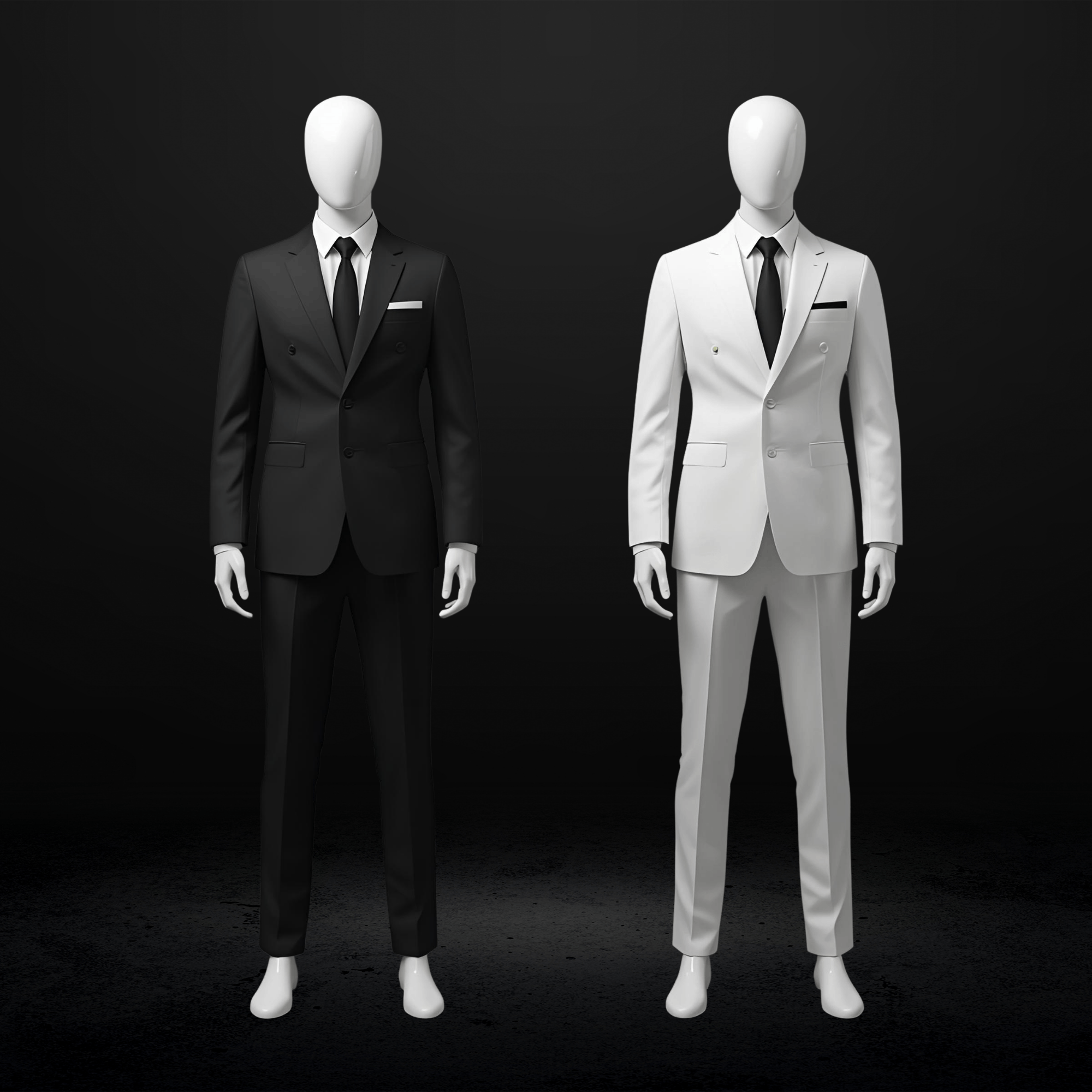
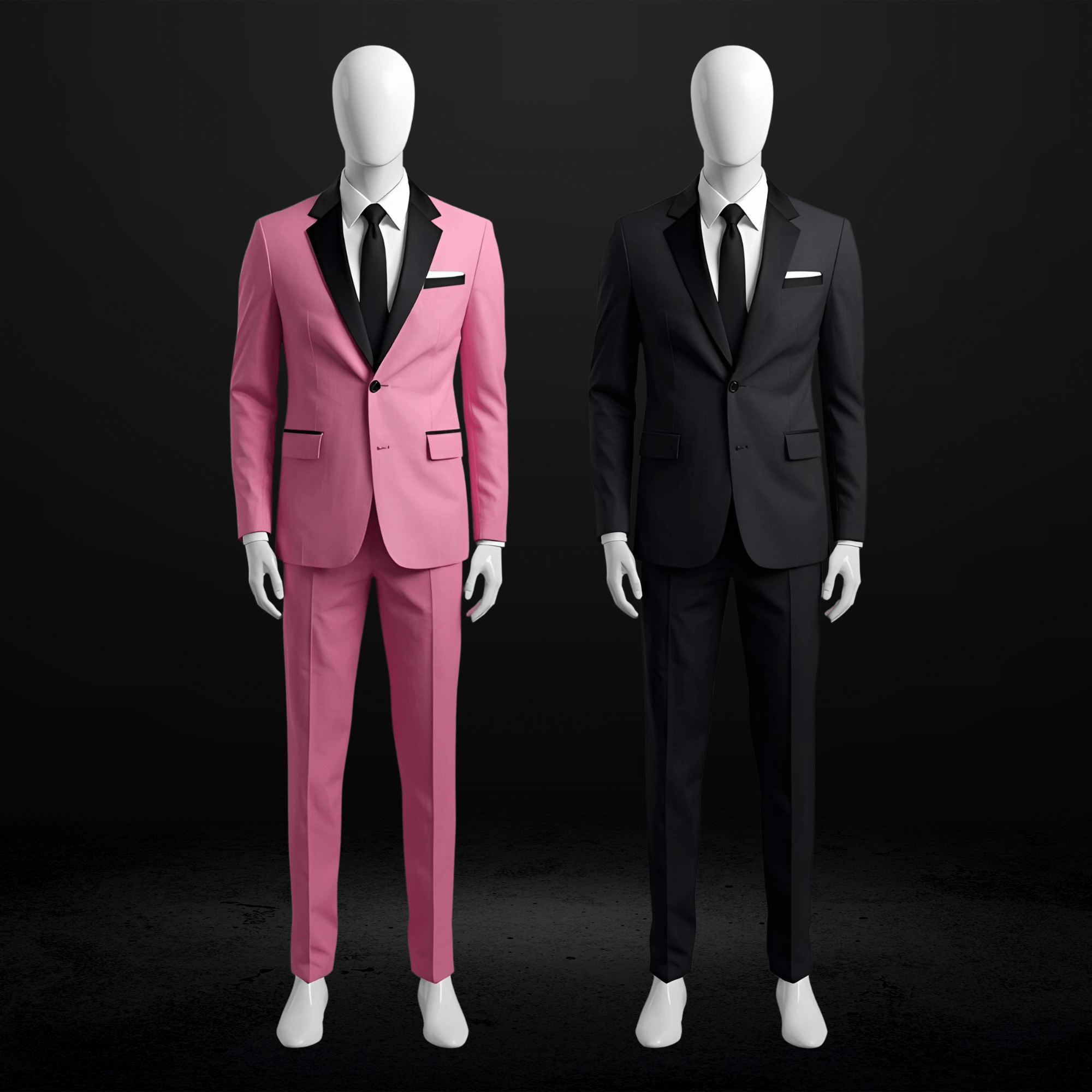
Kansas City has two wedding venues that demand more of a groom than almost any others in the region. Both the Kauffman Center for the Performing Arts and the Nelson-Atkins Museum of Art are formal, dramatic spaces, and both call for a level of dress that meets the room. This guide covers exactly how a groom should dress for a black-tie wedding at either venue, from the tuxedo itself down to the shoes, and how to plan the timeline so the suit is ready without a scramble.
TLDR: A black-tie wedding at the Kauffman Center or the Nelson-Atkins means a tuxedo, not a dark suit. The satin or grosgrain facing on the lapels, buttons, and trouser stripe is what makes a tuxedo formal eveningwear. Build the look around a black or midnight blue tuxedo with a peak or shawl lapel, a bow tie, and patent or high-shine Oxfords. Start a made-to-measure order four to five months out. Keep reading for the full breakdown.
Why These Two Venues Set the Bar
Both venues are evening spaces with a formal character, and both attract guests who dress with intention. Walking into either one in a standard business suit, or anything short of the black-tie standard, leaves a groom underdressed for the room he chose.
The Kauffman Center for the Performing Arts
The Kauffman Center sits at 1601 Broadway in downtown Kansas City, in the Crossroads area near the Power and Light District. Designed by architect Moshe Safdie, it is best known for its sweeping glass lobby and panoramic views of the downtown skyline. The main event space, Brandmeyer Great Hall, is the grand glass-walled lobby and accommodates up to 1,000 guests for receptions and weddings. The building also holds two performance halls, Helzberg Hall and the Muriel Kauffman Theatre, which can be configured for certain private events.
A couple who chooses the Kauffman Center is choosing dramatic, contemporary architecture and a downtown setting with real visual ambition. That energy belongs in the groom’s attire too.
The Nelson-Atkins Museum of Art
The Nelson-Atkins, at 4525 Oak Street, offers grandeur of a different kind: art, history, and permanence. Wedding ceremonies are available outdoors in the Sculpture Park, on the West Sculpture Terrace or the Tapis Vert lawn, and indoors in Kirkwood Hall or Rozzelle Court. Receptions take place in Kirkwood Hall, Rozzelle Court, the Bloch Lobby, and on the East Sculpture Terrace.
Kirkwood Hall is the museum’s grand interior ceremonial space. Rozzelle Court, the beloved interior courtyard, is ninety feet square and surrounded by a two-story arcade, and it seats 215 for a seated dinner and accommodates up to 500 for a reception. Both spaces are among the most recognizable event settings in Kansas City, and both reward formal dress.
What Black Tie Actually Requires
Black tie emerged in the late nineteenth century as a slightly more relaxed alternative to white tie, the most formal dress code. It remains the standard for elegant evening events. The core elements have not changed: a tuxedo jacket, formal trousers, a dress shirt, a bow tie, and proper dress shoes.
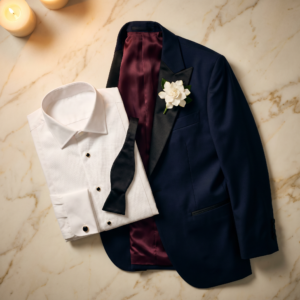
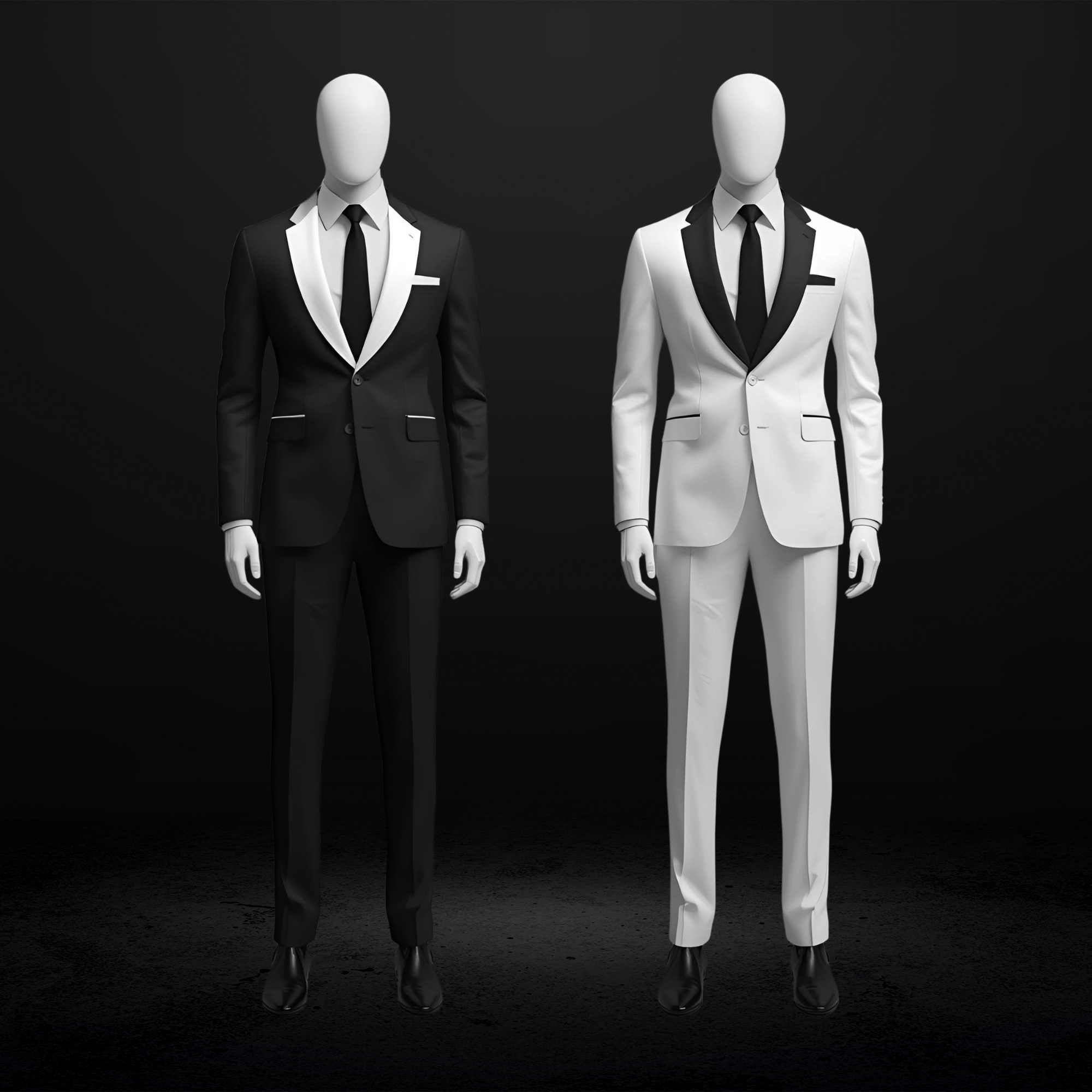
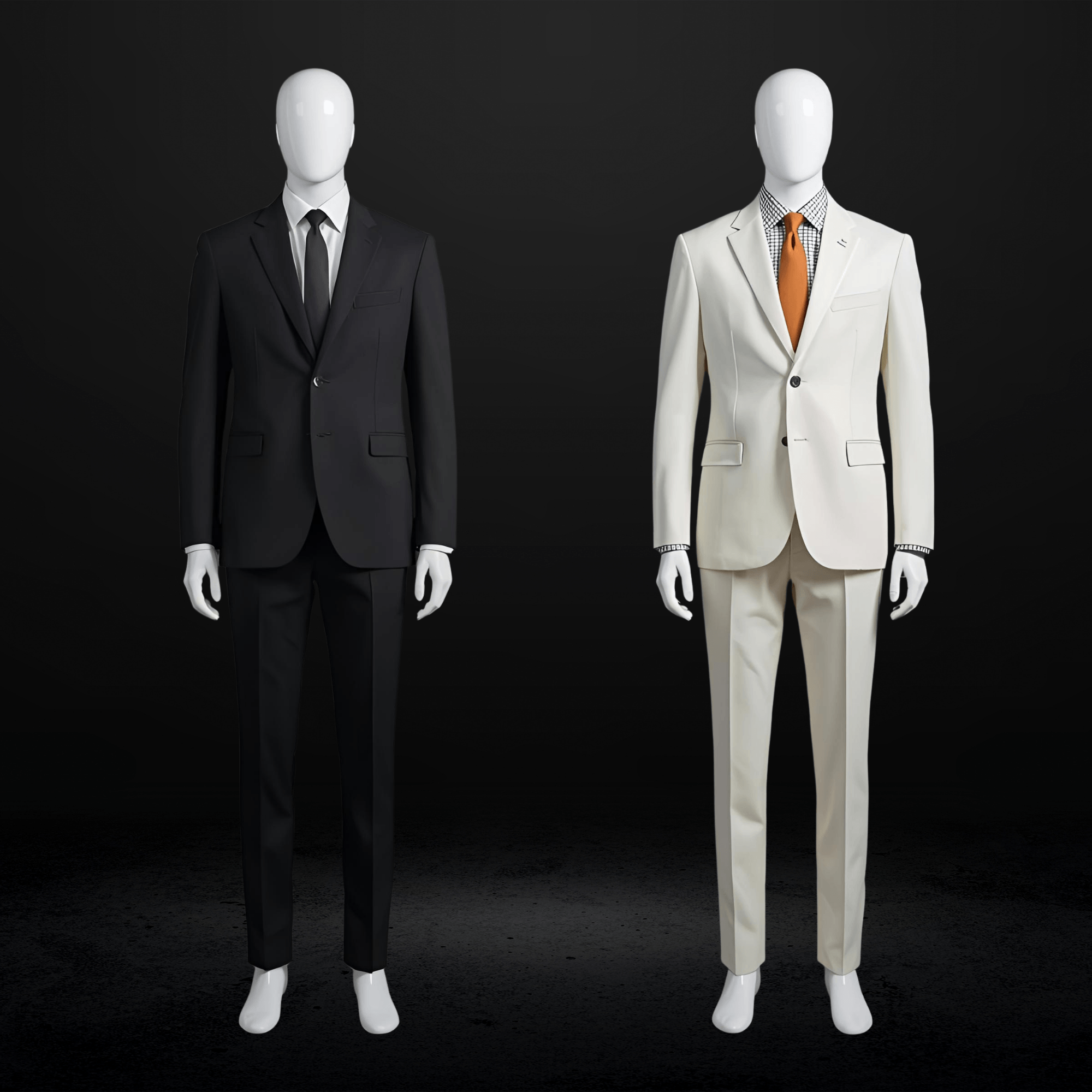
Here is the single most important thing to understand for these venues: black tie means a tuxedo, not a very dark suit. A well-tailored suit, however expensive, is not a tuxedo. The physical difference is the satin or grosgrain facing on the lapels, the buttons, the pocket trim, and the stripe down the trouser leg. That facing is what marks the garment as formal eveningwear rather than business attire, and it is exactly what the dress code is asking for.
If the invitation reads “black-tie optional,” a very dark, impeccably tailored suit may pass, though a tuxedo is still the better choice. In a space like Kirkwood Hall or the Brandmeyer Great Hall, optional usually means the tuxedo is the right answer.
Building the Tuxedo: The Foundation
Black or Midnight Blue?
Both are correct for a black-tie wedding, and the choice is worth understanding before you decide.
Classic black is the default and the most traditional option. It reads unambiguously as black tie in any lighting and is the safest, most versatile choice. A groom who wants pure formal authority in a classic setting will not go wrong with black.
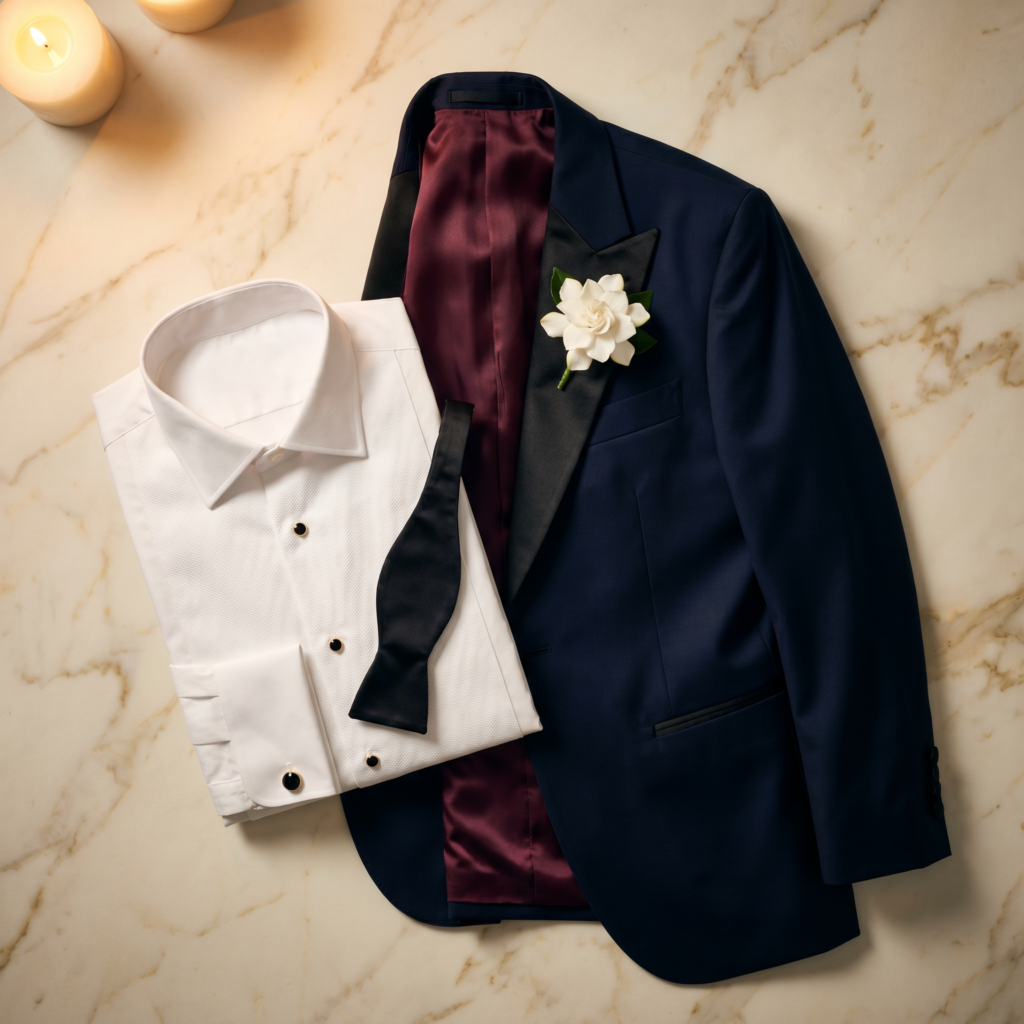
Midnight blue is the insider’s choice, and for evening events it is arguably the more sophisticated one. Under warm interior lighting, true black can look slightly flat or even faintly brown. Midnight blue, a very deep navy that reads almost black, appears richer and deeper under those conditions and photographs with more dimension. It has been a connoisseur’s choice for formal eveningwear for around a century. For either venue, midnight blue honors the dress code while setting the groom’s look subtly apart from every rental tuxedo in the room.
Lapel Style: Peak, Shawl, or Notch?
The lapel is the most visible design decision in a tuxedo jacket, and for a black-tie wedding it matters.
The peak lapel is the most formal of the three. Its points angle upward toward the shoulder, widening the chest line and projecting authority. It has roots in the most formal garments in menswear, and it is an excellent choice for a groom who wants a clear sense of occasion.
The shawl lapel is the most classically traditional. It wraps in a continuous, rounded line from collar to button with no notch, giving the jacket a softer, old-Hollywood elegance. It is fully correct for black tie and suits the classical character of the Nelson-Atkins particularly well.
The notch lapel is the least formal of the three. Borrowed from the business suit, it is the most common lapel in everyday tailoring. It appears on tuxedos, but it reads as less formal and is better suited to a groomsman than to the groom himself at a venue of this caliber.
The recommendation: for the Kauffman Center’s dramatic, contemporary architecture, a peak lapel commands the room. For the Nelson-Atkins’s classical grandeur, peak or shawl are both excellent. Choose the shape that flatters your face and build.
Single or Double Breasted?
Single-breasted tuxedo jackets are the more versatile and widely worn option, and they work in any formal evening setting. Double-breasted jackets give a more dramatic, vintage-inspired silhouette. Both are correct for black tie. For a first tuxedo or one you will wear for years beyond the wedding, single-breasted is the pragmatic pick. For a groom who wants a statement look, double-breasted with peak lapels is a powerful combination.
The Complete Look, Piece by Piece
The Shirt
The tuxedo shirt is where first-time black-tie dressers most often slip, either by wearing a standard dress shirt or by pairing the wrong front with the jacket.
There are three main front styles. The pique bib front, made of a textured cotton weave, is the most formal. It creates a clean, structured panel beneath the jacket that looks exceptional on camera, and it calls for French cuffs, studs, and a bow tie. The pleated bib front is traditional, slightly less formal than pique, and pairs beautifully with a shawl-collar tuxedo. The plain front is the most modern and versatile, and it is the only front style that can be worn with a long tie if a groom prefers one.
For collars, the spread collar is the preferred modern choice for formal events below white tie. The wing collar is the most traditional, historically tied to white tie, and remains acceptable for black tie when worn with a bow tie. Never pair a wing collar with a long tie.
The neckwear rules are simple. A bib shirt requires a bow tie. A wing collar requires a bow tie. A spread collar can take either a bow tie or, if there is no bib, a long tie. For both venues, the bow tie is the correct choice for the groom: black satin if the lapels are satin, black grosgrain if the lapels are grosgrain.
Studs and Cufflinks
French cuffs are correct for formal evening wear. Barrel cuffs belong in the office. The standard stud options are black onyx and mother of pearl, with black onyx the most timeless and versatile. Match the metal finish across studs, cufflinks, and any other hardware. It is a small detail that reads clearly in photographs.
The Trousers
Tuxedo trousers carry a satin stripe down the outer seam and a satin waistband, and they are worn without a belt. Suspenders, also called braces, are the traditional and correct way to hold them, and they keep the shirt tucked cleanly through a long evening. If suspenders are not used, a cummerbund or a waistcoat covers the trouser waistband, and both are appropriate finishing details for black tie.
The Shoes
Black patent leather Oxfords are the traditional black-tie shoe. The mirror-bright surface is the correct finish for formal evening dress, and a clean cap-toe or whole-cut Oxford in patent leather is right for either venue.
A note for grooms who want to wear the shoe beyond the wedding: black whole-cut Oxfords in polished calf leather, brought to a high shine, are equally appropriate and more durable over time. Patent leather is a coated surface that cannot be refinished, so for a one-time occasion it is the clean traditional choice, while calf leather is the longer-term investment for a man building a formal shoe collection.
Standing Apart from the Wedding Party
The groom at a black-tie wedding faces a particular challenge. He is often dressing his groomsmen in tuxedos too, so the whole party is in similar formalwear. The goal is to be clearly the center of the occasion without breaking the group’s visual harmony.
A few approaches work well at this level. Lead with the lapel: if groomsmen wear notch-lapel tuxedos, the groom’s peak or shawl lapel elevates his silhouette without changing color or fabric. Use color: if groomsmen wear classic black, the groom in midnight blue sits in the same formal register but reads as distinct in every photograph. Use accessories, the most precise tool of all: a different pocket square, custom cufflinks, or a distinct boutonniere sets the groom apart while the party stays cohesive. And elevate through construction: a groom in a made-to-measure tuxedo reads differently from groomsmen in rentals, not because of color, but because of fit and the way a well-built jacket holds its shape through a full evening.
The one rule the groom should never break: his attire should never be less formal than his guests. If guests arrive in black tie, the groom must meet or exceed that standard. The only misstep that draws the wrong kind of attention is a groom who asked for black tie and then wore a suit. For more on coordinating the whole party, our guide on how to choose between a groom suit and a tuxedo walks through the decision in detail.
Personalizing a Tuxedo for a Venue This Significant
A wedding at the Kauffman Center or the Nelson-Atkins is a major event, and the groom’s tuxedo is a fitting place for personalization that turns formalwear into a keepsake.
A custom or richly colored jacket lining is the detail few guests see but the groom feels every time he puts the jacket on, and the Nelson-Atkins in particular invites art-inspired choices. A monogram on the inner pocket or sleeve cuff, often in a color drawn from the wedding palette, marks a fully intentional garment. Fine contrast pick-stitching along the lapel edge adds handcraft presence up close. And working sleeve buttonholes are a mark of genuine tailoring that has to be built in from the start and cannot be added later.
None of these are required. A tuxedo does its job without them. But for an event this significant, in a venue this remarkable, they are worth asking about during the consultation.
The Timeline: When to Start
For a wedding at either venue, a made-to-measure tuxedo order should begin earlier than most grooms expect.
The made-to-measure process generally needs four to six weeks from consultation to completion. A wedding tuxedo, with fittings and any post-delivery adjustments, benefits from six to eight weeks at minimum. A wedding with a full group of groomsmen needs all measurements collected before production starts, which adds coordination time.
A recommended timeline for a tuxedo at this level:
| Window | Action |
|---|---|
| 4 to 5 months out | Book the groom’s consultation, choose fabric and construction |
| 3 to 4 months out | Finalize groomsmen measurements and orders |
| 6 to 8 weeks out | First fitting and adjustments |
| 2 to 3 weeks out | Final fitting and pickup |
Starting four to five months out gives the groom the full range of fabric options, removes time pressure, and allows two unhurried fittings before the wedding. A groom who starts at six weeks is working at the very edge of what the process allows, with no buffer for changes.
The Suit Doctor Consultation for a Black-Tie Wedding
The Suit Doctor works with Kansas City grooms on exactly this kind of event. A black-tie wedding at the Kauffman Center or the Nelson-Atkins has specific requirements, and the consultation is where they get worked through: the venue, the time of day, wedding-party coordination, the bride’s dress, and the groom’s own build and comfort with formal dress.
If you are getting ready for an appointment, our guide on how to prepare for your custom suit fitting in Kansas City covers what to bring, what to wear, and what to expect. For a full breakdown of what a made-to-measure tuxedo costs and what drives the price, see our transparent custom suit cost guide.
When you are ready to begin, schedule your Kansas City consultation and let us build a tuxedo worthy of the room.
Frequently Asked Questions
Can I wear a very dark navy or charcoal suit instead of a tuxedo?
If the invitation says black tie, a suit is not the correct choice no matter how dark or well-made it is. The satin facing on a tuxedo’s lapels and buttons is what identifies the garment as black-tie dress, and a suit without it reads as a suit. At a venue like Kirkwood Hall or the Brandmeyer Great Hall, that difference is visible. If the invitation says black-tie optional, a very dark, impeccably tailored suit with a white dress shirt may be acceptable, but when in doubt at either venue, wear the tuxedo.
Is a bow tie mandatory, or can I wear a long tie?
A bow tie is the traditional and correct neckwear for black tie. A long tie is generally not appropriate. The narrow exception is a plain-front tuxedo shirt with a spread collar, where a long tie is technically acceptable in contemporary styling. Even then, a bow tie is the more correct choice for an event of this caliber.
Peak lapel or shawl: does the choice actually matter?
Both are correct for black tie and appropriate for either venue. Peak is the more formal and visually commanding choice. Shawl is softer and more classically traditional. The decision should come down to the silhouette that flatters your build and the tone of your wedding. Your tailor will have a direct recommendation based on your measurements.
Should my groomsmen wear the same lapel as me?
Putting groomsmen in a different lapel from the groom is a common and effective way to set the groom apart without changing color or formality. If the groom wears a peak lapel, groomsmen in shawl or notch lapels still read as a cohesive group while the groom’s silhouette leads.
Does the size of the venue change what I wear?
No. Black tie is black tie regardless of headcount. What the scale of these rooms does mean is that the groom will be seen from across a large space, which is a strong argument for construction and fit that hold their shape at a distance. A made-to-measure tuxedo keeps a clean line through a full evening in a way a rental rarely can.
Should I own or rent a tuxedo for a wedding like this?
For a wedding at the Kauffman Center or the Nelson-Atkins, owning a made-to-measure tuxedo is the better long-term move. Rentals are cut to fit a range of bodies and show that compromise in photographs. A made-to-measure tuxedo is built to one body, holds its shape, and becomes the garment you reach for at every black-tie event that follows. For a man who attends formal events with any regularity, the cost of owning reaches parity with repeated rentals fairly quickly.
How do I coordinate my tuxedo with the wedding colors?
A black or midnight blue tuxedo coordinates with virtually any palette. The coordination tools are the accessories: the pocket square, the boutonniere, and the jacket lining. A custom lining in a color drawn from the wedding palette is an elegant way to carry the theme into the groom’s look without altering the tuxedo itself.
Key Takeaways
- Both venues are formal evening spaces by nature. Dress to meet the room.
- Black tie means a tuxedo, not a dark suit. The satin or grosgrain facing is what makes the garment.
- Midnight blue is a historically correct, optically superior alternative to black for evening events.
- Peak lapel is the most formal and commanding choice. Shawl is the most classically traditional. Both are correct for either venue.
- A bib shirt with a bow tie, French cuffs, and studs is the right foundation. Black onyx studs are the most timeless.
- Patent leather or high-shine calf Oxfords are the correct shoe.
- Distinguish yourself from the groomsmen through lapel, color, accessories, or construction, never by dressing down.
- Start the made-to-measure process four to five months out for an unhurried experience with room for fittings.
Ready to Build a Tuxedo Worthy of the Room?
You now know what a black-tie wedding at the Kauffman Center or the Nelson-Atkins asks of you, from the satin facing that defines a tuxedo to the timeline that keeps the order calm.
The Suit Doctor builds made-to-measure tuxedos for Kansas City grooms and coordinates entire wedding parties, with honest guidance on fabric, fit, and every formal detail. When you are ready, schedule your Kansas City consultation and let us help you look exactly right for the most photographed day of your life.
The Suit Doctor | Custom and Made-to-Measure Suits and Tuxedos for Kansas City Grooms.