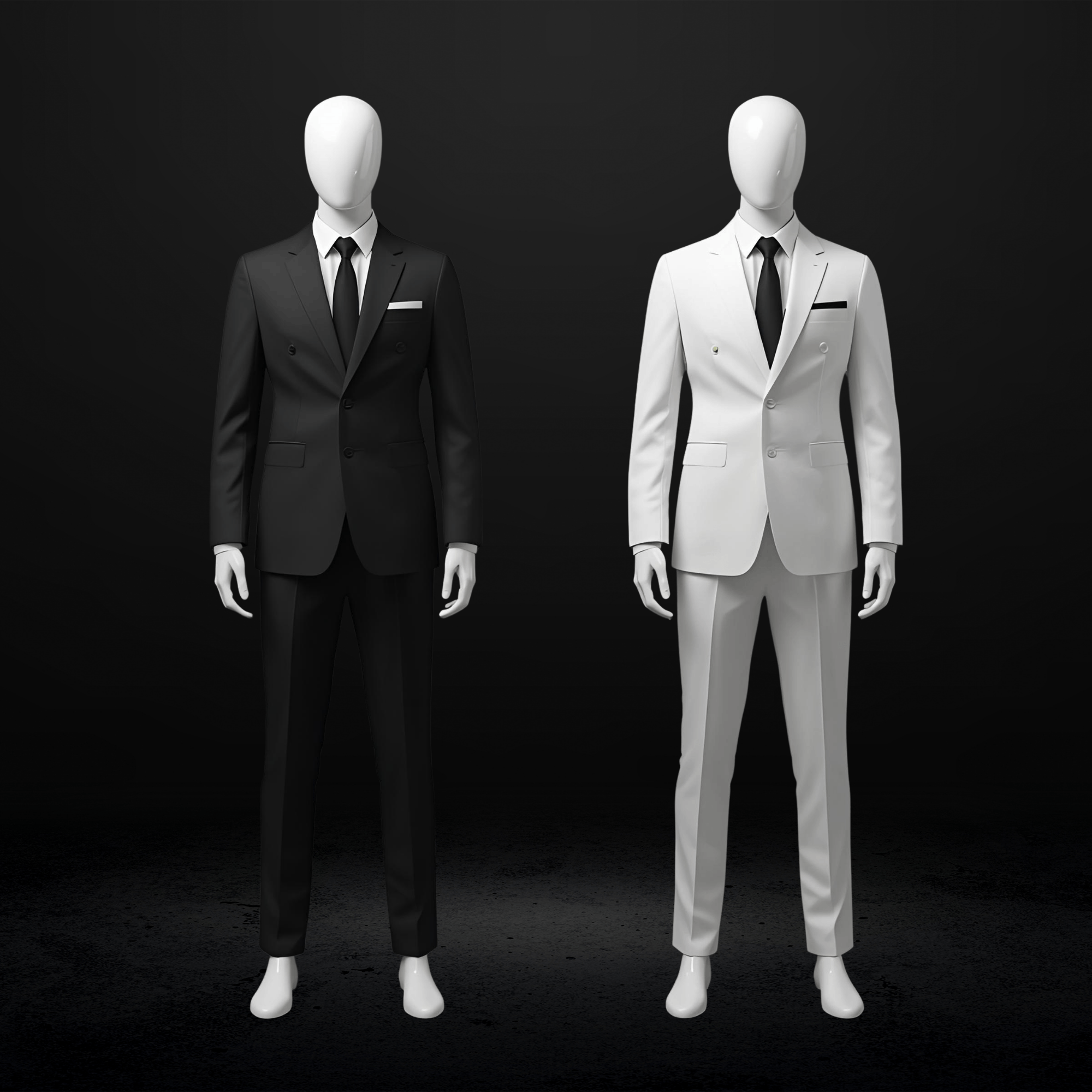
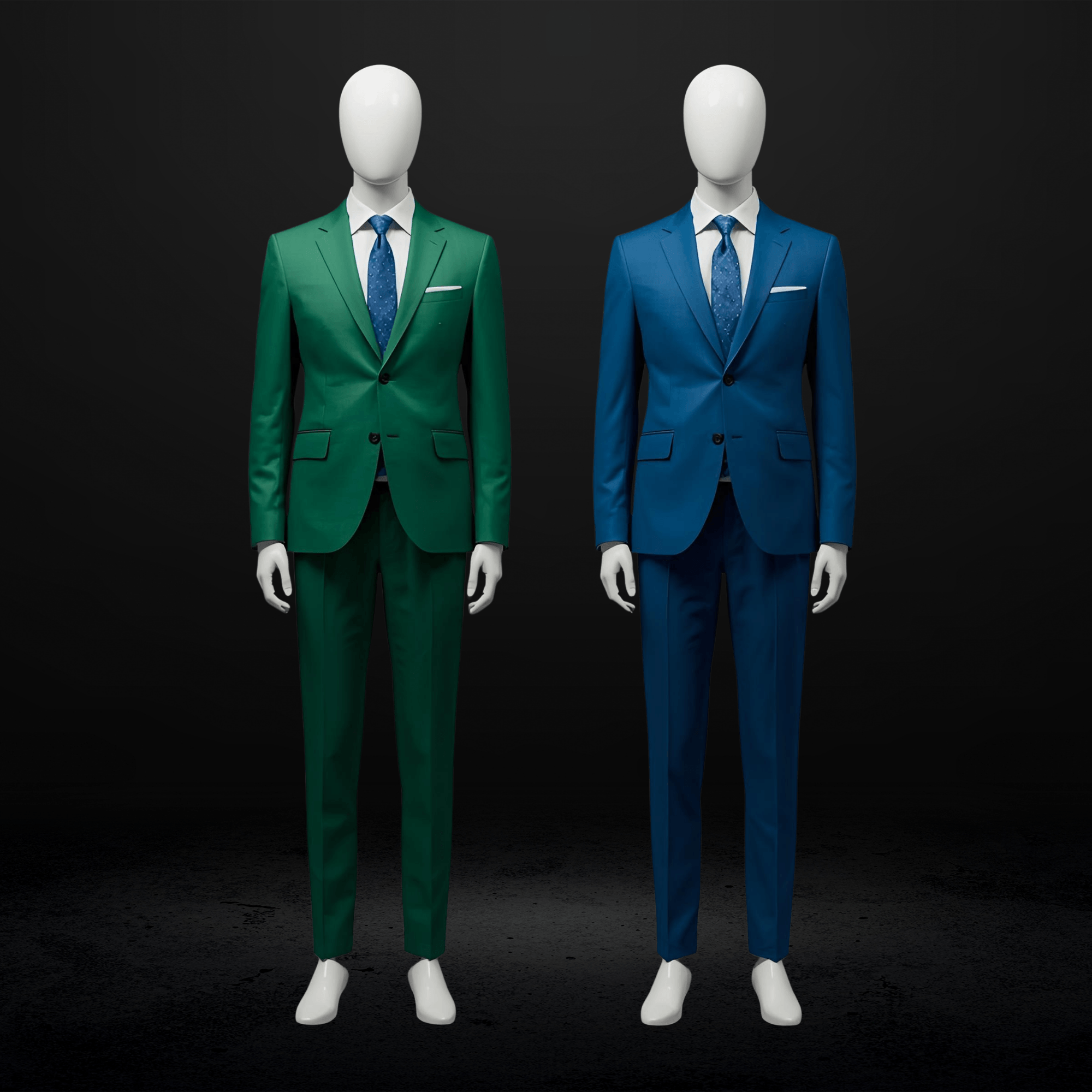
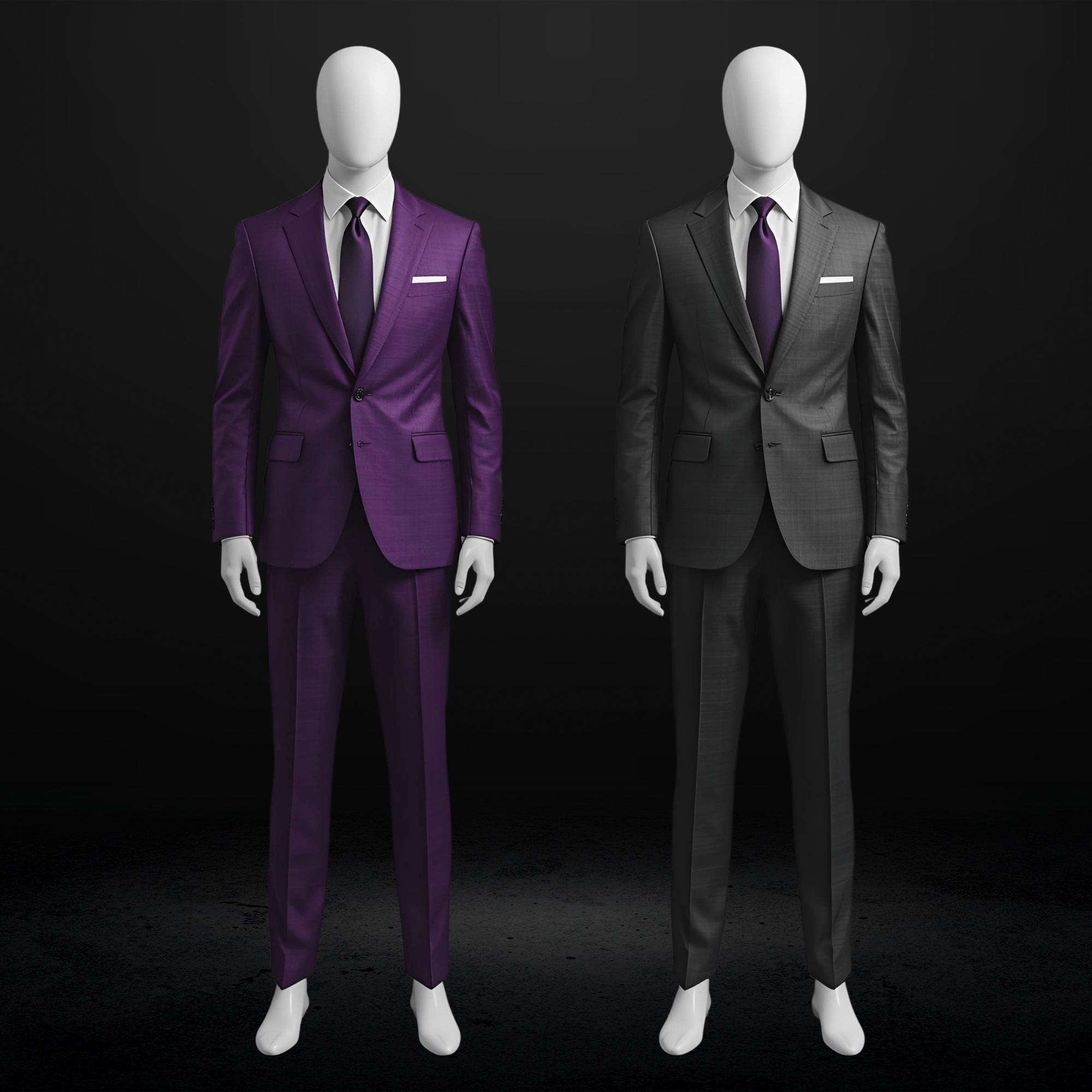
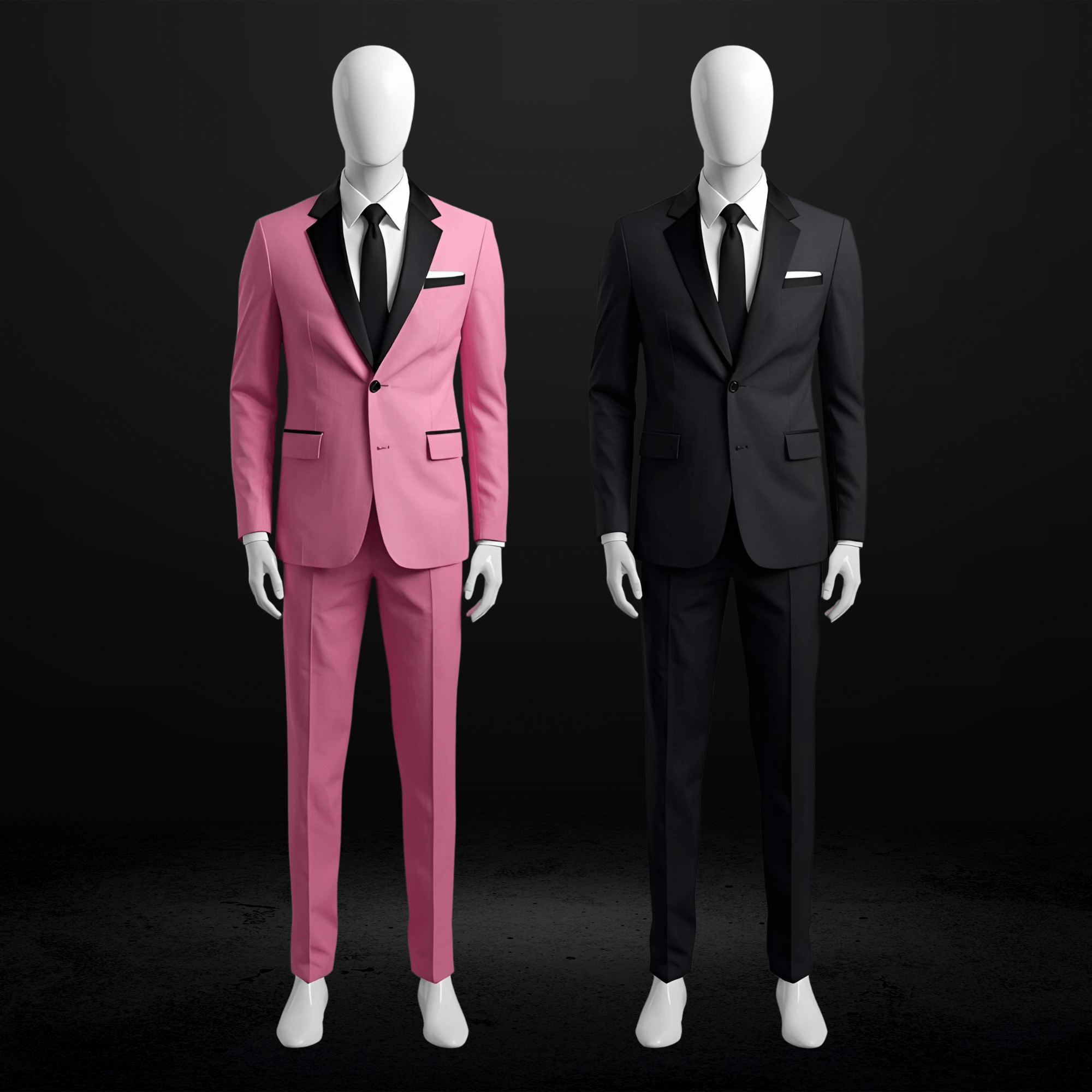
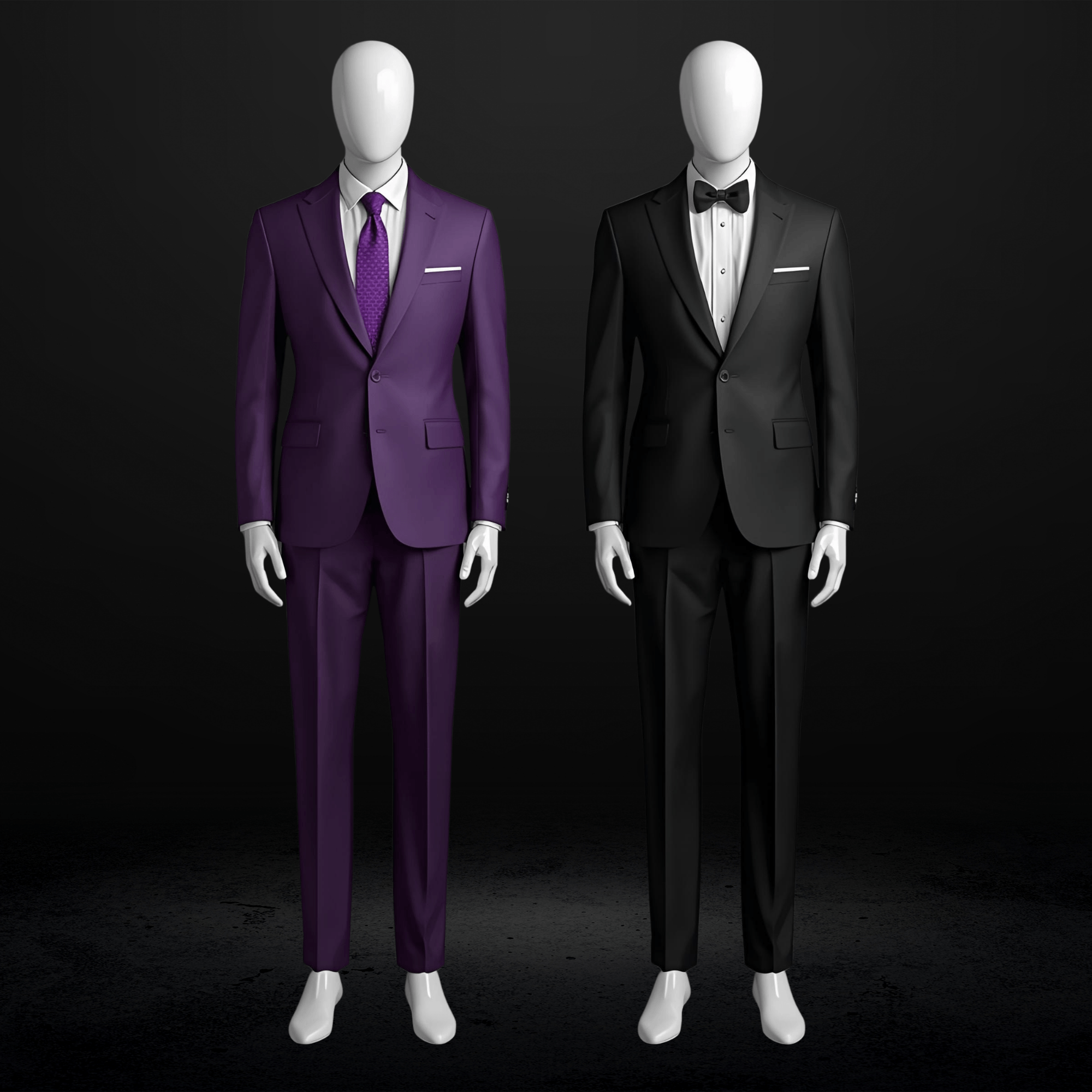
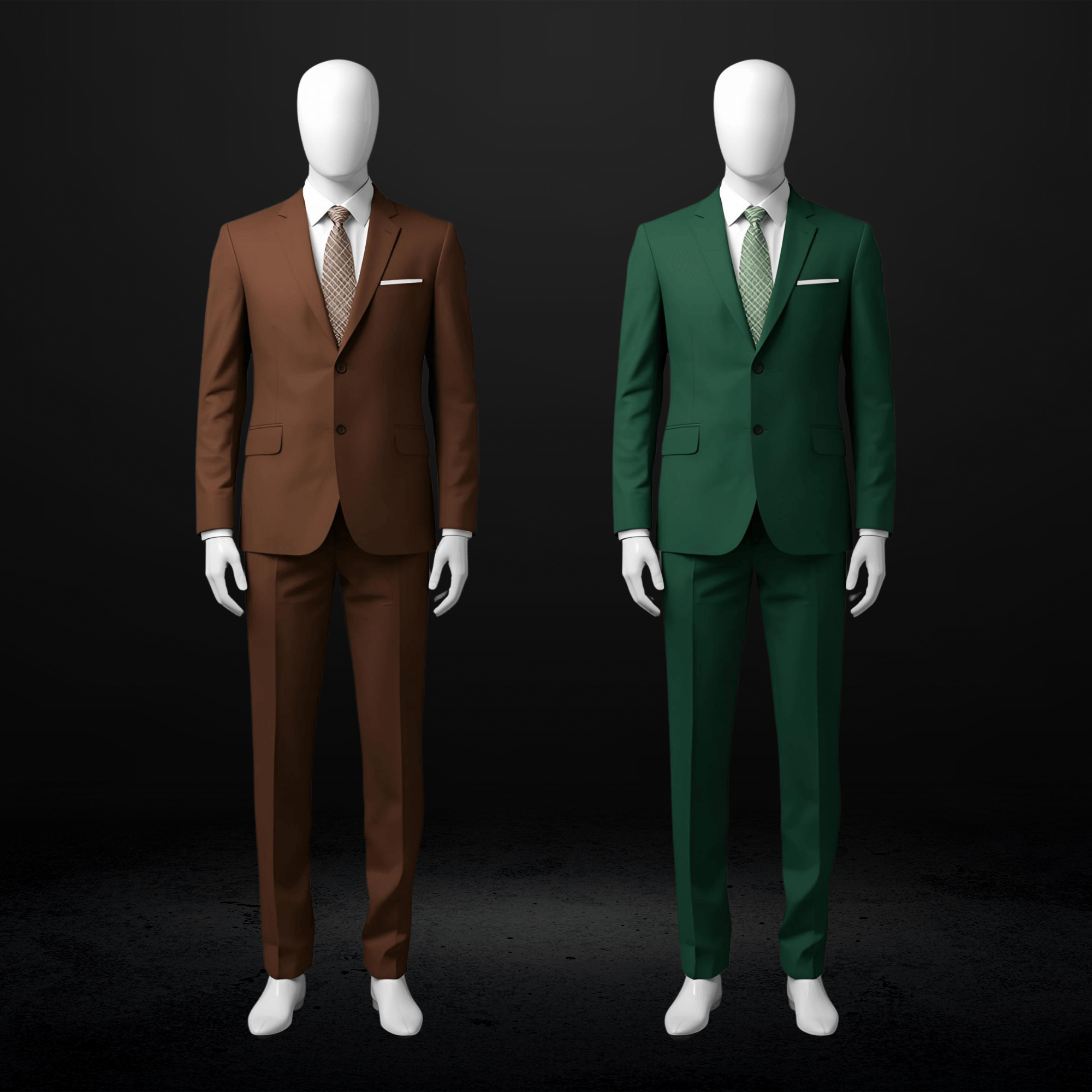
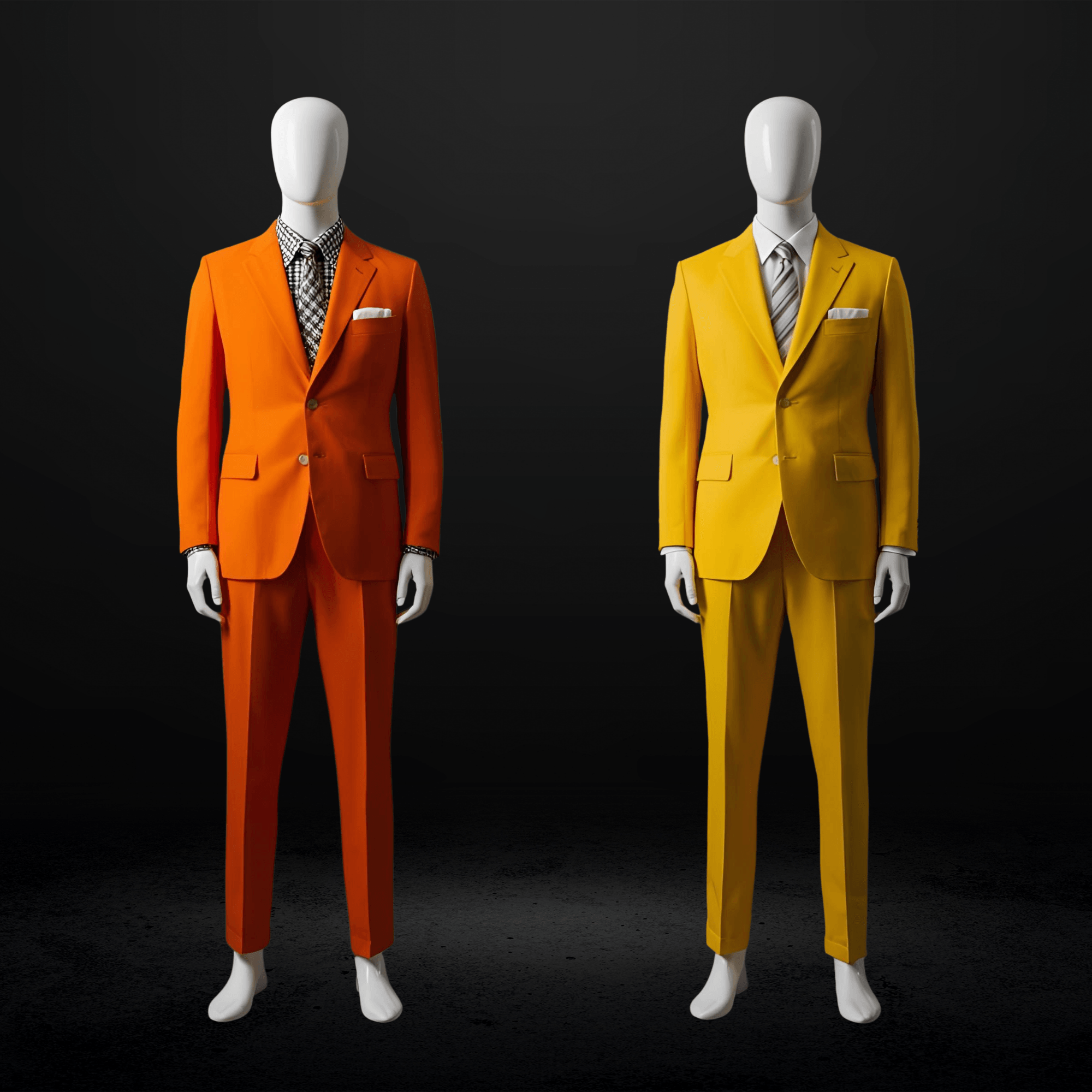
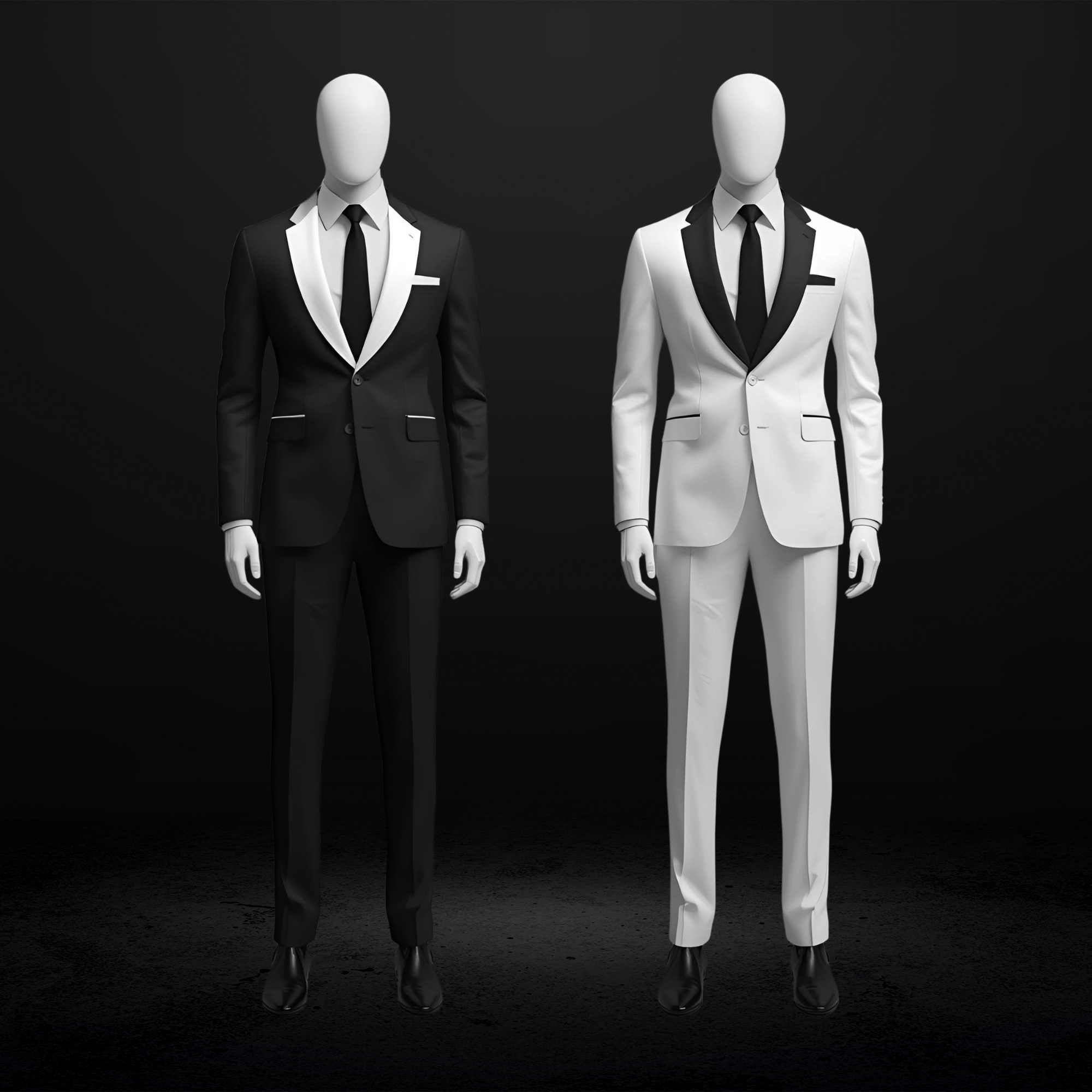
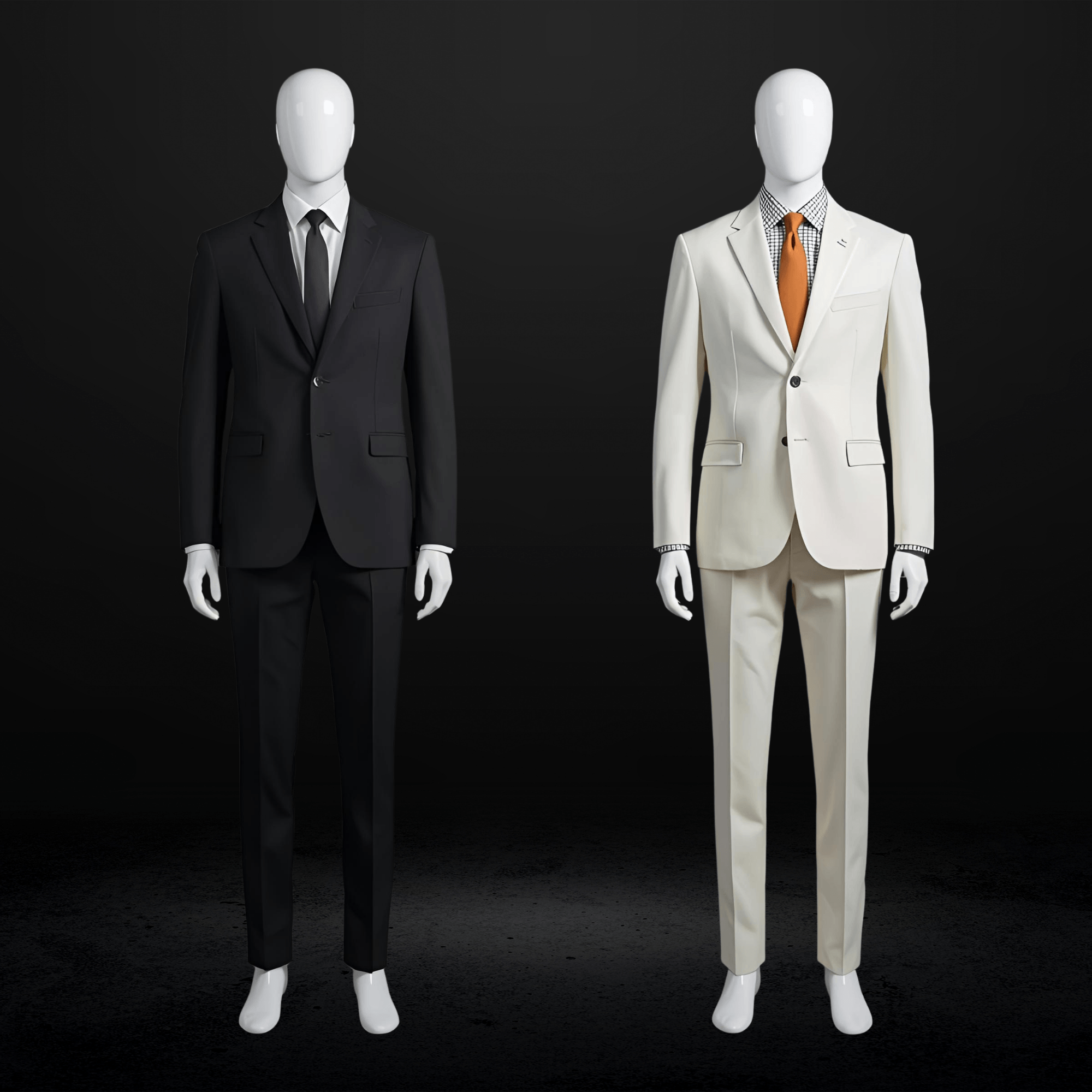
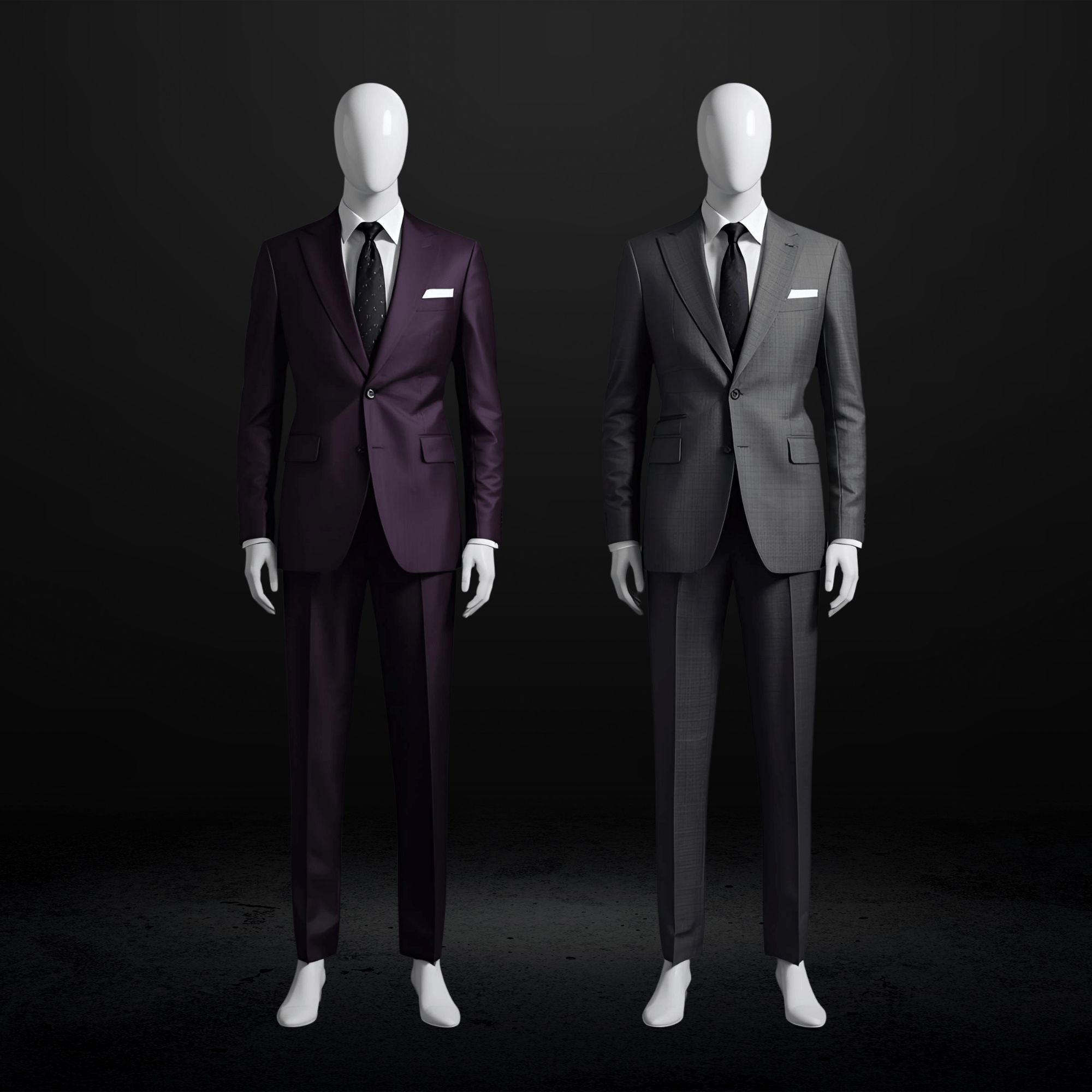
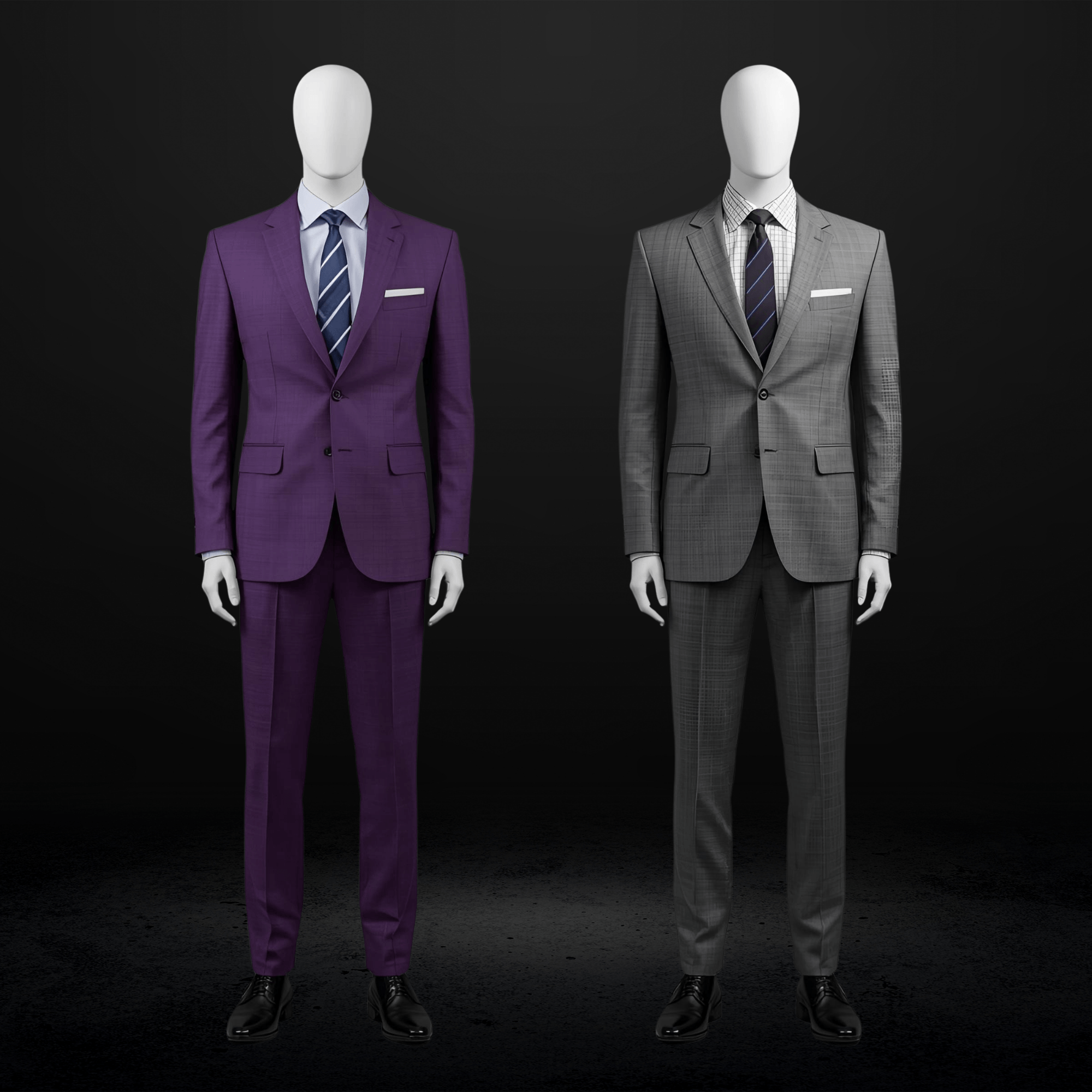
Groomsmen should wear tuxedos when the invitation says black tie or the ceremony starts after sundown; otherwise, tuxedos for a formal venue, and ts for everything else. That single line settles most arguments, but real weddings rarely fit a single line. The right call depends on the dress code, the time of day, the season, the venue, and how often the groomsmen will actually wear the garment again. This guide walks through each variable the way a tailor would talk you through it at a fitting.
TLDR: Match the dress code first. Black tie means tuxedos. Formal, semi-formal, or daytime weddings call for suits. After that, weigh time of day, season, venue, and re-wear value. Tuxedos look unbeatable at a candlelit evening rbetteron. Suits work better for summer afternoons and outdoor ceremonies, and grooms want to wear the jacket again. Coordinate your party rather than force identical clothing on bodies that are not identical.
What actually makes a tuxedo a tuxedo
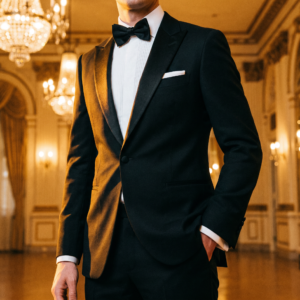
A tuxedo is not just a dark suit with a bow tie. It is a specific garment with construction details that separate it from every other jacket in a man’s closet. Get any of these details wrong and a tailor will spot it from across the room.
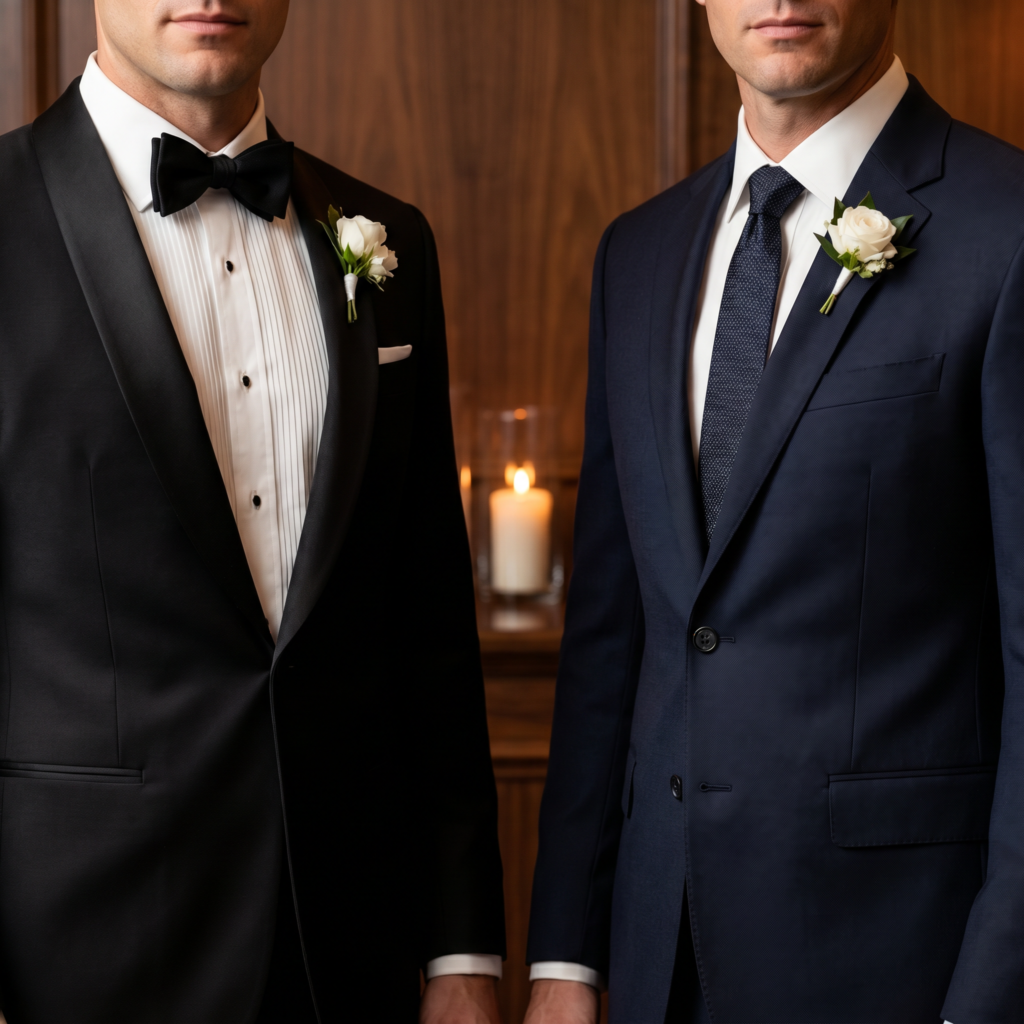
The lapels are faced in silk satin or grosgrain with a different texture that reflects light differently. The buttons are covered in the same fabric as the lapel facing. The trousers carry a satin braid running down the outside of each leg, and traditional tuxedo trousers do not have belt loops. They are designed to sit on the natural waist with side adjusters or to be held by braces (suspenders), which keep the line clean under the jacket. Debrett’s, the British etiquette authority, describes the dinner jacket as having “silk peaked lapels (or a shawl collar) and covered buttons,” with trousers featuring “a single row of braid down each outside leg.”
Lapel shape carries meaning. Peak lapels are the most formal choice and trace their lineage to the tailcoat. Shawl lapels are the rounded, collar-like shape associated with the original 19th-century dinner jacket. Notch lapels, the standard cut on most business suits, are a modern option for tuxedos but are considered less appropriate for strict black tie. Debrett’s lists only the peak and shawl as correct.
The shirt is its own small ceremony. A proper tuxedo shirt has a pleated or piqué bib front, takes shirt studs instead of buttons down the placket, and has cuffs that fasten with cuff links. Emily Post specifies “shirt studs and cuff links” alongside “a formal (piqué or pleated front) white shirt.” A black bow tie in silk, satin, or twill is the traditional finish. A cummerbund or a low-cut waistcoat covers the waistband. Black patent leather shoes are the conventional footwear.
A quick note on terminology
Americans say tuxedo. The British say dinner jacket, sometimes shortened to DJ, and the full kit is often called a dinner suit. The garments are the same. The American name comes from Tuxedo Park, a wealthy enclave north of New York City. According to popular tradition, Griswold Lorillard wore a tailless dress coat to the Tuxedo Club’s Autumn Ball in October 1886, and the style took the name of the resort. Historians have since noted that the actual origin probably runs through Henry Poole of Savile Row, who in 1865 cut a short evening jacket in celestial blue silk for the Prince of Wales (later Edward VII) to wear at informal dinners at Sandringham. The modern dinner jacket descends from that Henry Poole commission.
The dress code is the first filter.
Before you debate fabric, color, or lapel shape, read the invitation. The dress code on a wedding invitation is not a suggestion. It is the floor. Groomsmen should match the formality the couple has set, not undercut it. Here is how the major dress codes break down for the men in the wedding party.
| Dress code | What groomsmen wear | Notes |
|---|---|---|
| White tie | Black tailcoat, white piqué wing-collar shirt, white waistcoat, white bow tie | Rare for weddings; the most formal evening dress code |
| Black tie | Tuxedo with black bow tie, black formal shoes | Traditionally an evening dress code |
| Black tie optional | Tuxedo or a dark suit with conservative tie | Either is correct; tuxedo signals you went all in |
| Formal / cocktail | Dark suit, dress shirt, conservative tie | Often called “business formal” by Emily Post |
| Semi-formal | Suit, dress shirt, tie usually expected | Slightly relaxed but still tailored |
| Dressy casual | Sport coat or blazer with dress trousers | Tie optional |
| Casual | No jacket required; clean, intentional outfit | Smart casual, never sloppy |
Two rules are worth highlighting. First, black tie has traditionally been an evening dress code, with most etiquette sources placing the threshold around 6 p.m. Modern weddings stretch this, but a noon ceremony in tuxedos still reads slightly off to anyone who knows the convention. Second, black tie optional really does mean optional. The Knot is direct about this: a well-tailored dark suit is “equally appropriate” when the invitation says optional, so groomsmen are not obligated to rent tuxedos if the couple has left the door open.
The four-variable framework
When the dress code does not settle the question on its own, four variables almost always do. Walk through them in order.
Time of day
Tuxedos are evening clothes. The satin lapels and patent shoes were designed to catch candlelight and chandelier light, not noon sun. Morning and early afternoon ceremonies look most natural in suits. Late afternoon and evening ceremonies are where tuxedos earn their place. A 6:30 p.m. ceremony rolling into a candlelit reception is the classic black-tie window. A 1 p.m. garden ceremony in July is not.
Venue and setting
A tuxedo rewards a venue that matches its formality: a hotel ballroom, a historic mansion, a downtown rooftop at night, a black-tie country club. A barn wedding is not a tuxedo wedding in most cases. The materials, lighting, and dress codes in outdoor and rustic settings call for suits, often in lighter or earthier tones. The mismatch between a satin-lapeled tuxedo and a hay bale is real, and your photos will show it.
Industrial venues and modern lofts split the difference. They can take either a tuxedo or a sharp dark suit, and the deciding factor is usually the time of day and the rest of the styling.
Season
This is where Kansas City honesty matters. Summer in this region is hot and humid. Average July highs sit near 90 degrees Fahrenheit, and the humidity regularly pushes real-feel temperatures well above that. A wool tuxedo with a cummerbund and a buttoned waistcoat in that climate, outdoors, is genuine misery. For summer weddings, especially outdoor ones, a lighter-weight suit in a breathable wool, a wool blend, or a high-twist tropical wool will serve groomsmen far better than a heavy tuxedo. Winter and shoulder-season weddings are tuxedo territory if the formality calls for it.
Re-wearability
A rented tuxedo goes back. A custom or made-to-measure suit stays in the closet. For a groomsman who attends a few weddings a year, takes client meetings, or interviews for jobs, a well-cut navy or charcoal suit earns its keep long after the wedding. Many of our groomsmen clients later wear the same jacket to job interviews, client dinners, and family events. If you want the suit to do double duty for work after the wedding, our Kansas City business suits and tailoring services are built for exactly that long-term use. Tuxedos, by contrast, come out maybe twice a year for galas or the occasional black-tie event. That is not a knock on tuxedos. It is a budget reality worth saying out loud.
How to make the groom stand out
A wedding party should read as a unit, with the groom clearly the focal point. There are three reliable ways a tailor sets the groom apart.
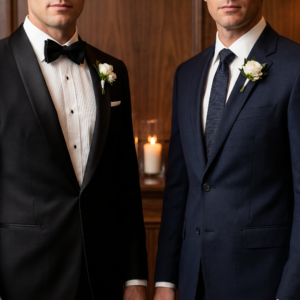
The simplest is a different jacket color. The groom wears a midnight blue dinner jacket while the groomsmen wear classic black. The groom wears a navy suit, while the groomsmen wear charcoal suits. The contrast is subtle on the page and obvious in person.
The second is a different vest or tie. If the groomsmen wear matching ties, the groom wears a slightly different one in the same family. If the groomsmen wear no waistcoats, the groom adds one. Bow ties versus long ties is another clean line of separation.
The third is a different lapel or fabric finish. The groom wears a peak lapel; the groomsmen wear a notch. The groom wears a textured fabric, such as a subtle birdseye or a fine houndstooth; the groomsmen wear plain weave. These are tailor-level details, and they photograph beautifully.
Avoid the trap of dressing the groom in something so different that it looks unrelated—connection first, distinction second.
Coordinating mixed builds across a wedding party
Wedding parties are rarely the same size, height, or shape. A 6’4″ college roommate and a 5’7″ younger brother will not look identical in identical clothing, no matter what a rental rack promises. The honest answer is that identical fit is impossible across different bodies, but coordinated styling is very achievable.
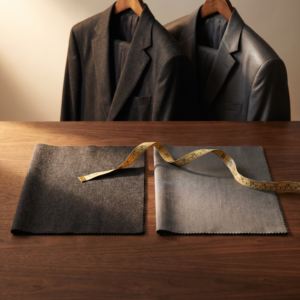
This is where rentals run into their hardest limit. A rental pulls from standard sizes and a fixed alteration window, which means the tall guy gets sleeves that almost fit, and the short guy gets a jacket that hangs an inch too long in the body. Custom and made-to-measure work resolves this because each garment is built to one specific person’s measurements. The fabric, lapel, and color stay consistent across the party. The fit is not regular; it does not fit the body. We host groomsmen parties for the men and host regularly through our Kansas City wedding suits and groomsmen tailoring service. The difference shows up most clearly in group photos, where everyone looks intentional rather than approximate.
For larger parties or budget-sensitive groups, a hybrid approach works well: the groom and best man go custom, while the rest of the groomsmen rent or buy off the rack from a coordinated palette. The trade-off is honest. The fit on the rented half will not match the fit on the custom half. Decide which trade-off you can live with before you commit.
Matching attire vs. coordinated attire
The trend over the last few years has moved away from rigid uniforms toward intentional coordination. Wedding planner Jove Meyer, quoted in a Martha Stewart Weddings piece by Alyssa Brown, put it cleanly: “Mismatched groomsmen attire can be cute, as long as it’s evenly mismatched and intentional. What you want to avoid is thinking mismatched attire means less work for the couple when wardrobe planning with their friends.” He added the practical fix: “Maybe you let them pick their own outfits, but everyone has brown or black shoes, or everyone has the same color shirt, or the same bow tie or tie, so there’s some connection.”
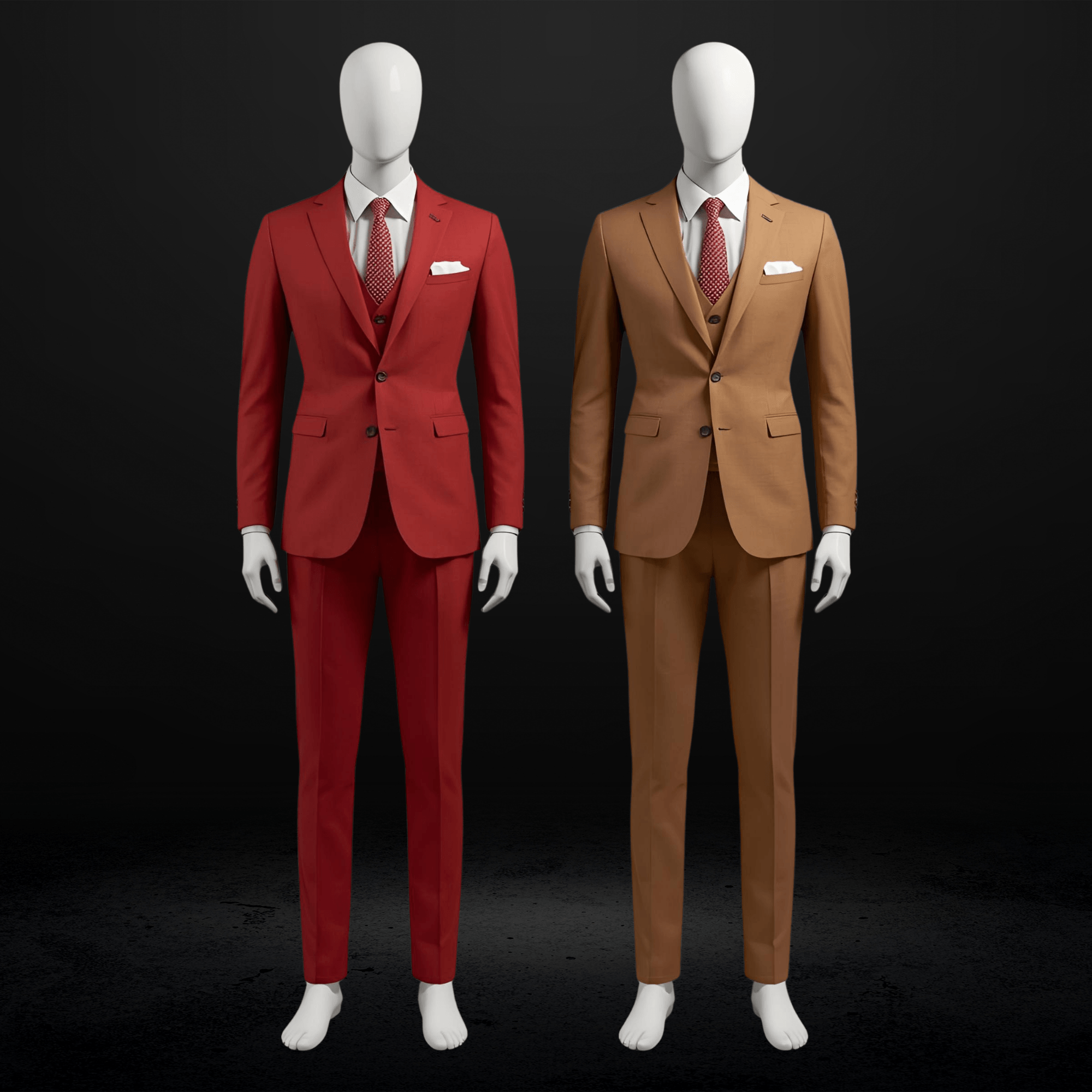
That is the right framing. Coordinated, not identical. Pick two or three anchors that everyone shares: the jacket color, the tie pattern, the shoe color, the pocket square palette. Let the rest flex. The result reads as a deliberate party, not a mismatched accident, and it forgives the natural differences across bodies and budgets.
A common Kansas City example: the groom in a midnight navy custom suit, the groomsmen in matching charcoal, all in the same tie family but with the groom’s tie a shade darker, all in black cap-toe oxfords. Everyone looks related. Nobody looks cloned.
The timeline for getting it right
Weddings reward early decisions and punish late ones. The single biggest source of stress in groomsmen attire is starting too late. Here is the realistic milestone checklist.
- 9 to 12 months out: Set the wedding dress code. Lock in venue and ceremony time. Decide as a couple whether you are leaning tuxedos or suits.
- 6 to 8 months out: Book the initial consultation for custom or made-to-measure suits. Confirm the color palette and fabric direction with your tailor. Identify the groomsmen who can attend in person and who will need remote measurements.
- 4 to 5 months out: This is the comfortable window to place custom and made-to-measure orders for the full party. Production typically runs 4 to 6 weeks for made-to-measure, plus time for a fitting and any adjustments.
- 2 to 3 months out: This is the standard booking window for rental tuxedos. Generation Tux and Zola both name this range in their planning guides. It is also the practical minimum for a custom order if you are willing to pay rush fees and skip a second fitting.
- 6 to 8 weeks out: Final fittings for custom and made-to-measure orders. Last call to add a groomsman who has been slow to commit.
- 2 weeks out: Pick up rentals. Confirm everyone has the right shirt, tie, shoes, and pocket square.
- The week of the wedding: A final pressing. A final check that everyone has everything. A photo of the full party in attire before the day, so any last-minute issues surface with time to fix.
If you are inside 6 weeks and have not started, rental is the realistic path. Custom can sometimes be expedited inside that window, but you give up the second fitting and the margin for adjustment.
What this means for Kansas City specifically
Kansas City weddings span a wide range of formalities, and the venue often dictates the answer.
Downtown evening receptions at hotels and event spaces in and around the Power and Light District lean formal, and a tuxedo is rarely out of place after sunset. The Grand Hall and similar venues in the district handle black-tie evenings well. Loose Park is a popular ceremony and photography location through Kansas City Parks and Recreation, with permits required and receptions held elsewhere; suits work better than tuxedos for a daytime ceremony in a public park.
Barn and farm venues dominate the suburban and exurban wedding market, and they call for suits almost without exception. Weston Red Barn Farm in Weston, Missouri, has hosted weddings for more than 35 years and is a quintessential rustic venue where a wool suit, often in earth tones or navy, looks far more at home than a satin-lapeled tuxedo. Serendipity Farm and Vine in Stilwell, Kansas, White Iron Ridge in Smithville, and The Pearl at Crawford Farm north of the city in Hamilton fall in the same category. Linen and cotton blends in summer, flannel and worsted wool in fall and winter.
Summer weddings deserve a separate paragraph because Kansas City summers are not forgiving. Average July highs near 90 degrees, paired with persistent humidity, make heavy fabrics a real problem at outdoor receptions. A breathable, lightweight suit will keep groomsmen comfortable throughout a long ceremony and reception. We see plenty of grooms regret a heavy tuxedo at an outdoor July reception. We rarely see a groom regret a tropical-weight wool suit.
Frequently asked questions
Do groomsmen have to wear tuxedos at a black-tie wedding? Yes. If the invitation says black tie, every groomsman wears a tuxedo. A dark suit is not a substitute for a strict black tie, even a very nice one. The exception is black tie optional, which permits a dark suit.
Can a groom wear a tuxedo while the groomsmen wear suits? Yes, and it is a clean way to make the groom stand out in a midnight-blue or black tuxedo, with the groomsmen in coordinated dark suits, which reads as deliberate and elegant, especially at evening receptions.
What is the difference between a tuxedo and a black suit? Construction details. A tuxedo has satin or grosgrain lapels, satin-covered buttons, a satin trouser braid, and trousers without belt loops. A black suit has matching fabric throughout the jacket and trousers, regular buttons, and belt loops. The two read very differently on camera.
How much does it cost to rent a tuxedo in 2026? Industry sources including The Knot and Zola put a complete rental package in the $150 to $300 range for basic to mid-tier options, with premium and major-metro designer rentals running $300 to $400 or more. The Knot’s 2025 Real Weddings Study reported an average of $205 for a male partner’s ceremony attire.
Should groomsmen all wear the exact same suit? Coordinated is more important than identical. Bodies differ. A wedding party of five different heights and builds will never look identical in identical clothing. Match the fabric, color, and key accessories, and let small variations in fit reflect the people inside the suits.
Are notch lapels acceptable on a tuxedo? They are common in modern tuxedos and widely sold, but for strict black tie the traditional choices are peak or shawl. Debrett’s lists only those two. If the wedding skews traditional or the invitation specifies black tie, default to peak or shawl.
How early should groomsmen book their attire? For custom or made-to-measure, start the conversation 6 to 8 months out and place the order 4 to 5 months out. For rentals, book 2 to 3 months out. Inside those windows, options shrink, and rush fees start to apply.
Key takeaways
- Dress code first. Black tie means tuxedos for groomsmen. Black tie optional, formal, semi-formal, and below allow well-tailored suits.
- Tuxedos are evening clothes. Daytime, summer outdoor, and rustic weddings almost always look better in suits.
- Coordinate, do not clone. Match fabric, color, and key accessories across the party, and accept that different bodies will wear the same garment slightly differently.
- Custom and made-to-measure beat rentals on fit. Rentals beat custom on cost and turnaround. Pick the trade-off honestly.
- Start early. Six to eight months out is the right window to begin for custom suits. Two to three months is the rental booking minimum.
Ready to plan your wedding party’s attire in Kansas City
Every wedding party is different, and the right answer depends on the date, the venue, the dress code, and the people standing next to the groom. We would rather give you a real recommendation based on your wedding than a generic one based on a blog post. Book an in-shop visit or a mobile fitting at our Kansas City wedding suits and groomsmen tailoring studio, and we will walk through fabric, fit, color, timeline, and budget in one sitting. Mobile fitting fees are credited toward your purchase, and in-shop consultations are free. Reach out via the Kansas City consultation booking page to schedule a time, and we will provide a firm quote during the consultation based on the fabrics and construction options that best fit your wedding.
The Suit Doctor has been building custom and made-to-measure suits for Kansas City weddings, businesses, and special occasions since 2020.