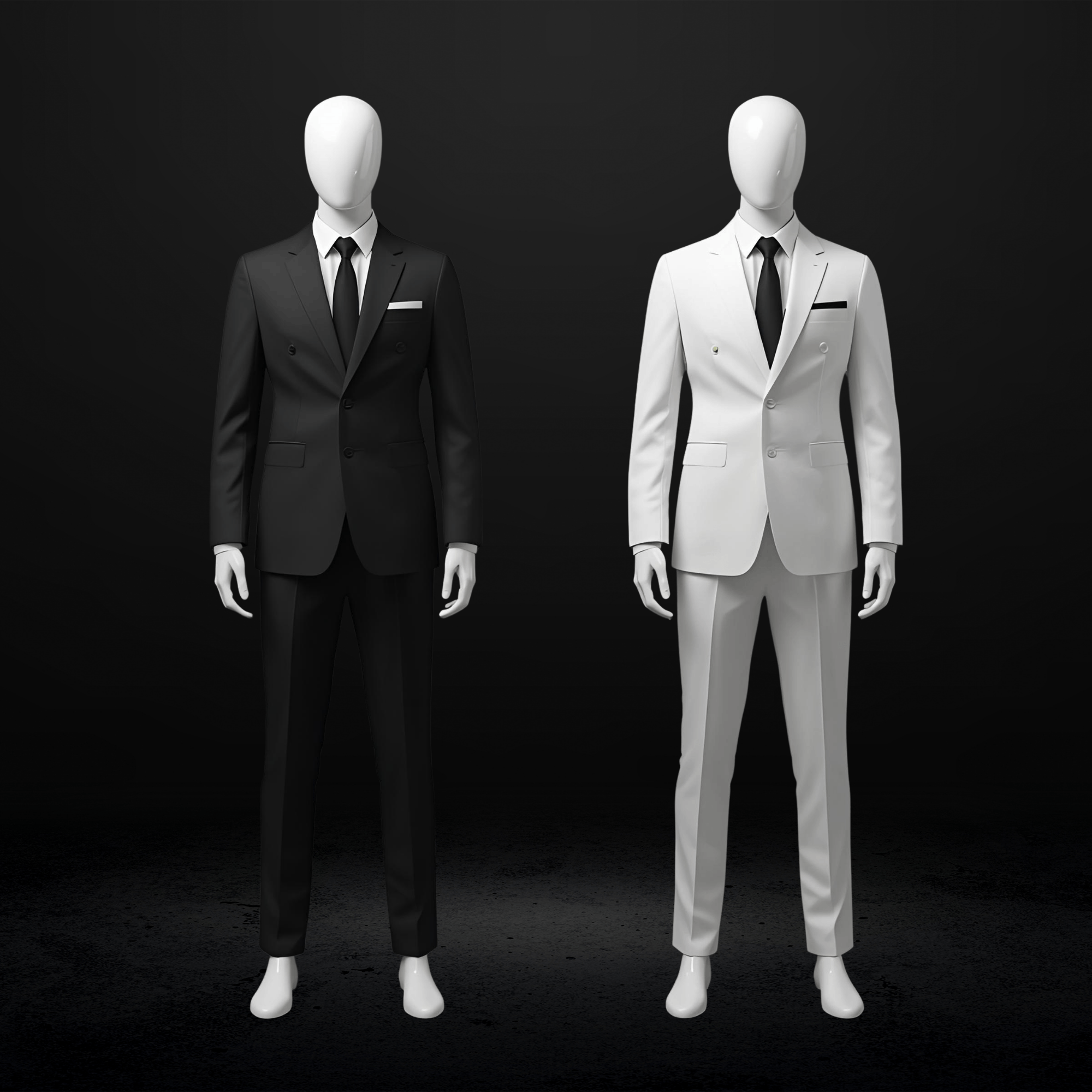
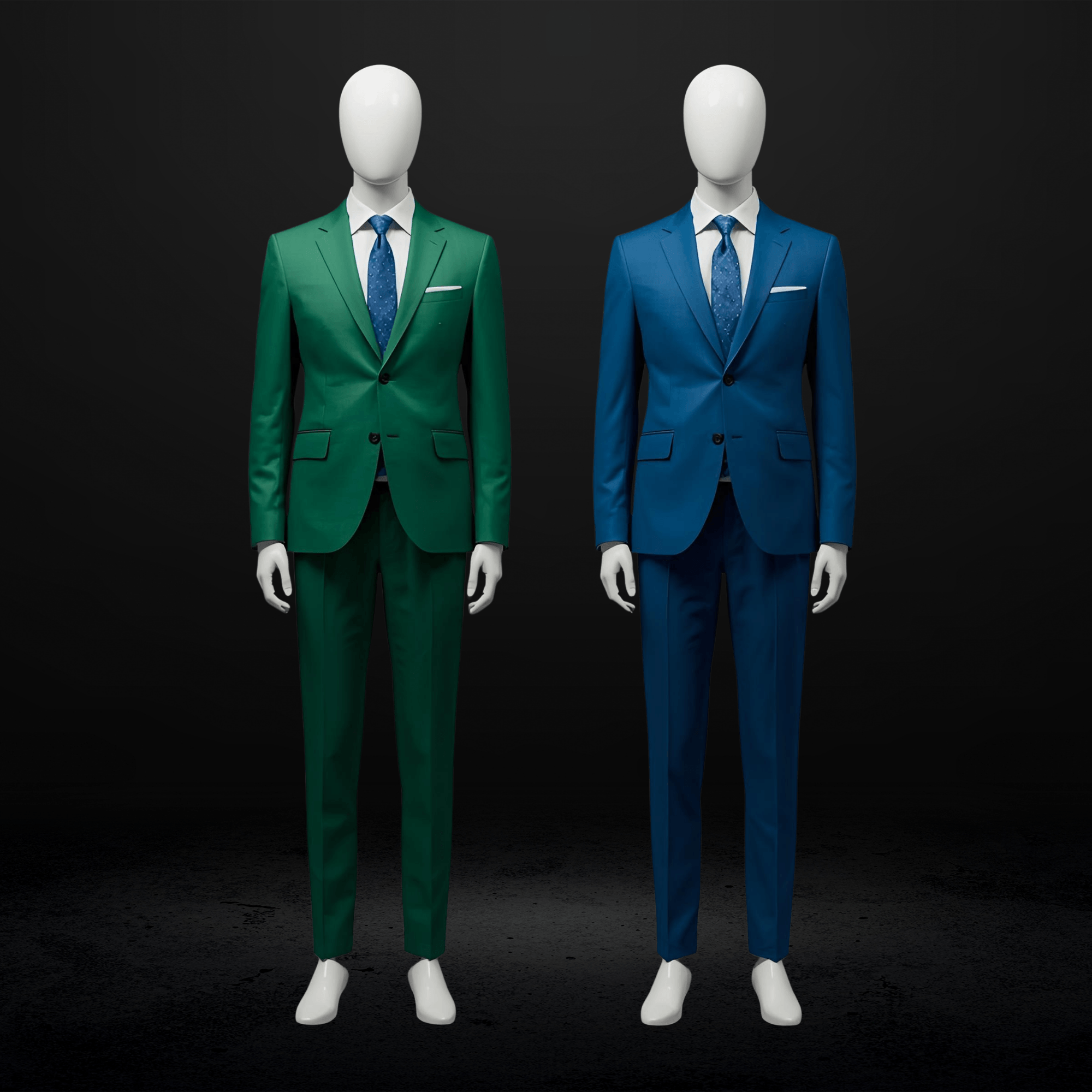
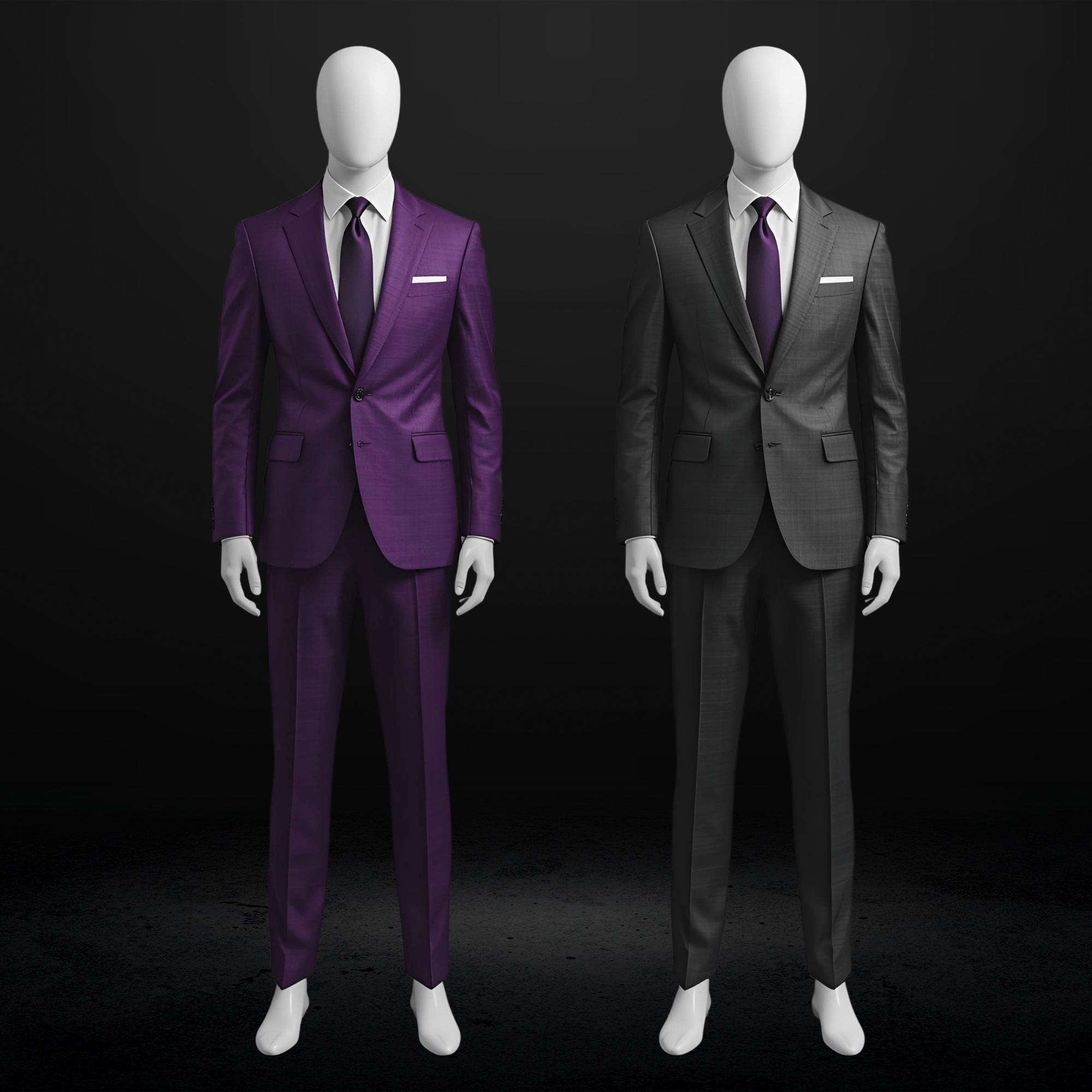
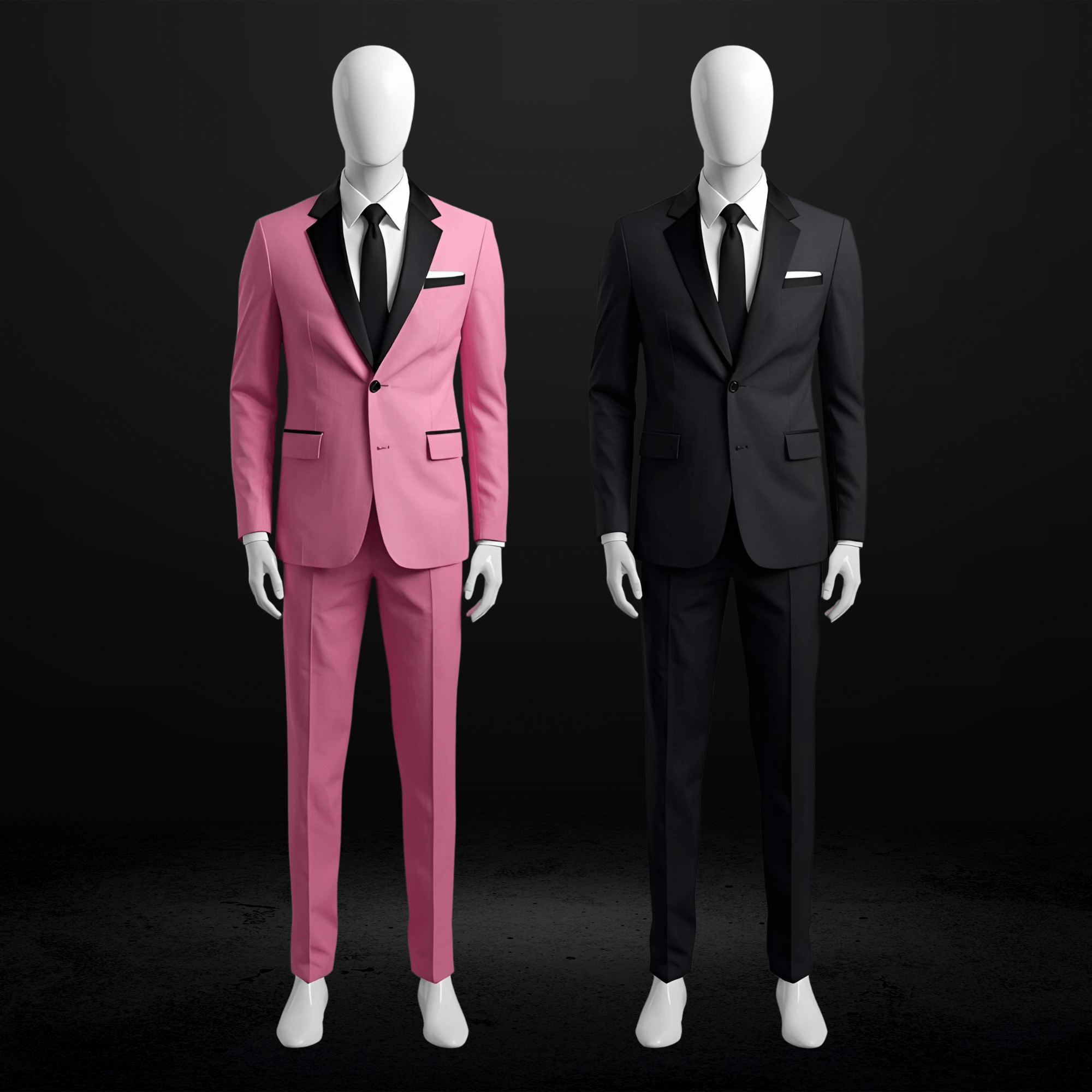
Italian and English wools both start with fine merino, but they pull in opposite directions: Italian cloth favors soft, lightweight drape, while English cloth favors structure, weight, and longevity. The right choice depends on your climate, your calendar, and how often you plan to wear the suit.
TLDR: Italian fabric from the Biella region tends to feel softer, lighter, and more fluid, which flatters warm-weather events and a modern silhouette. English fabric from West Yorkshire tends to be heavier and more structured, holding a crisp line and wearing hard for years. Neither is “better.” For humid Kansas City summers and special occasions, Italian often wins. For daily business armor and cold months, English often wins. Keep reading to learn how Super numbers, fabric weight, and finishing should actually drive your decision.
Two Traditions, One Goal: A Suit That Looks Like You
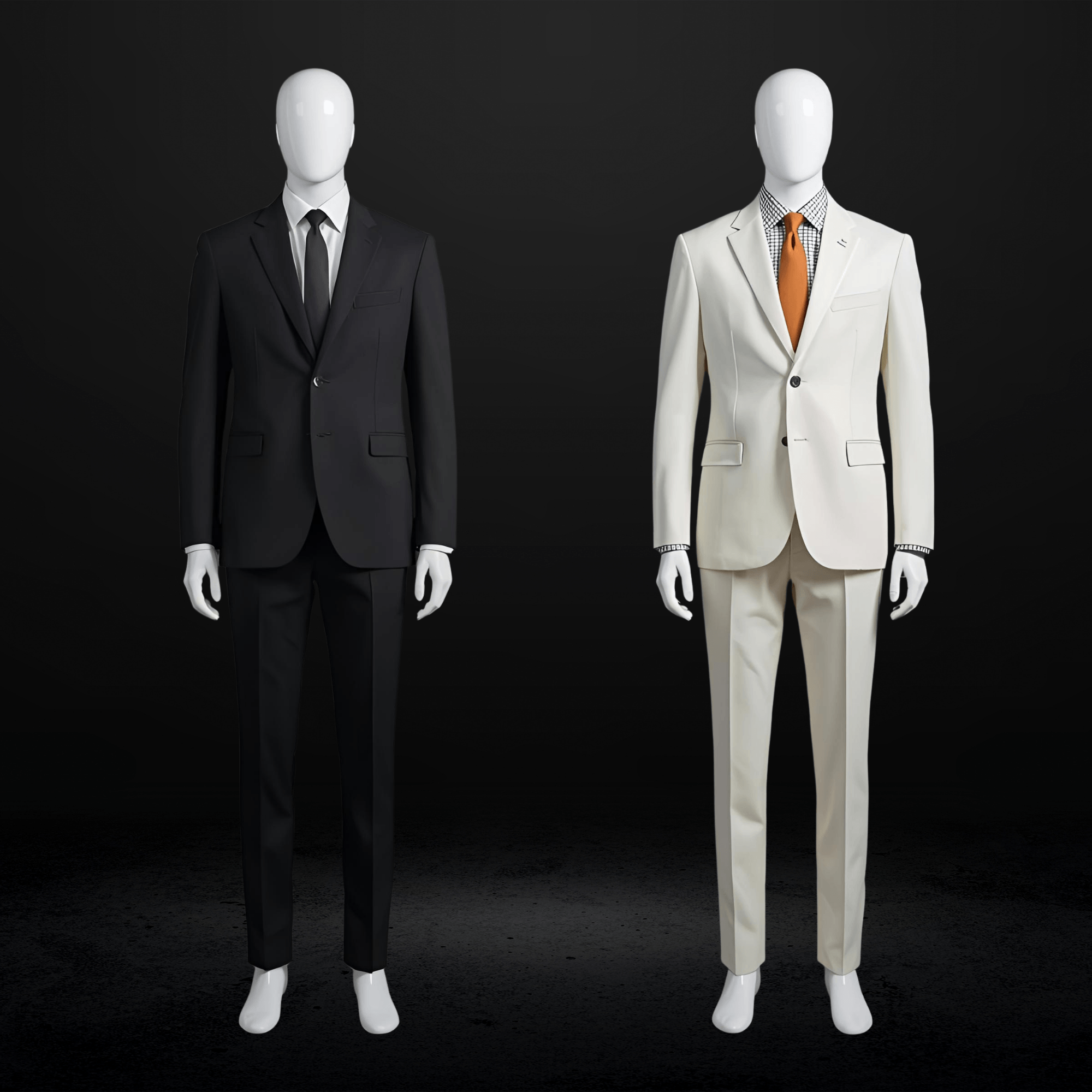
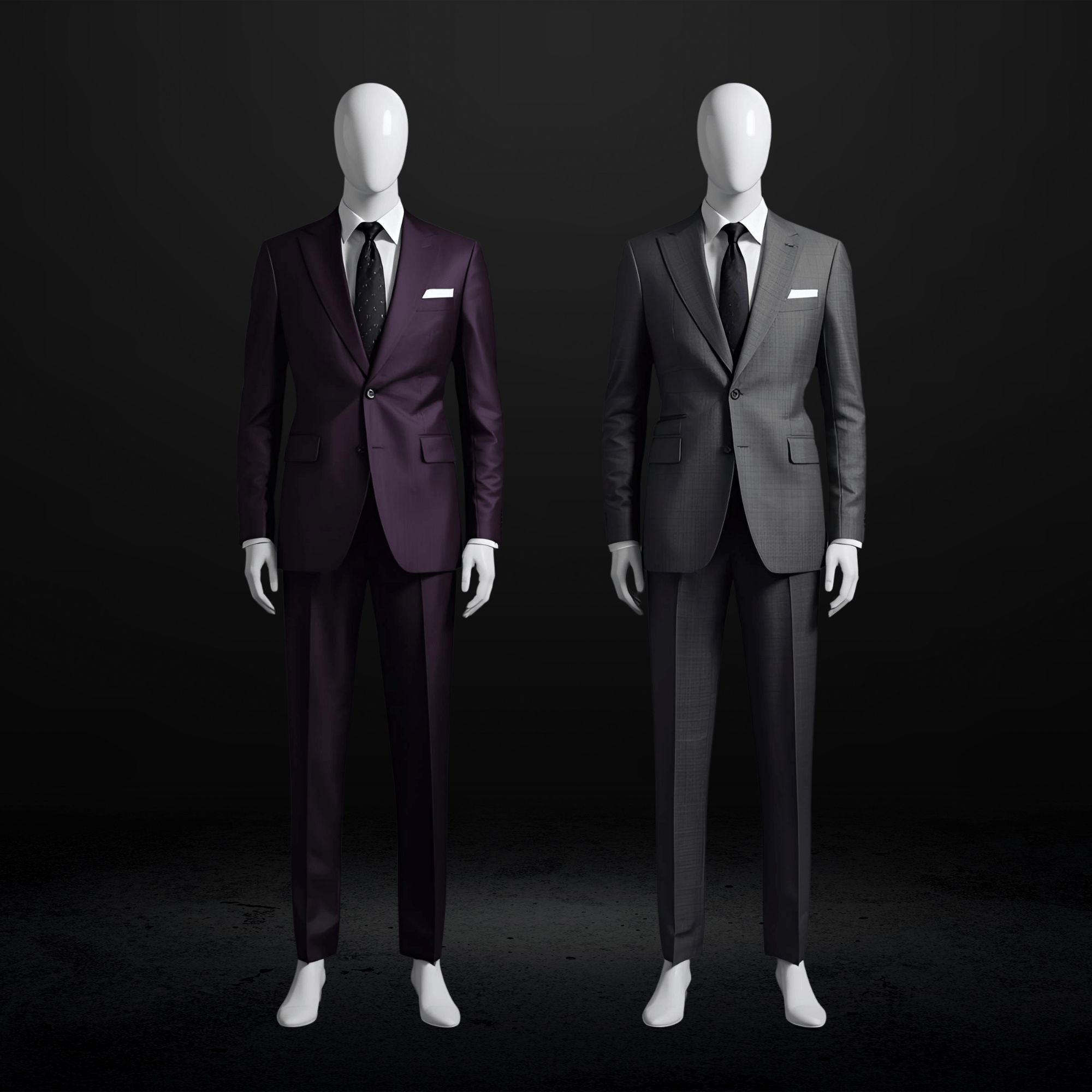
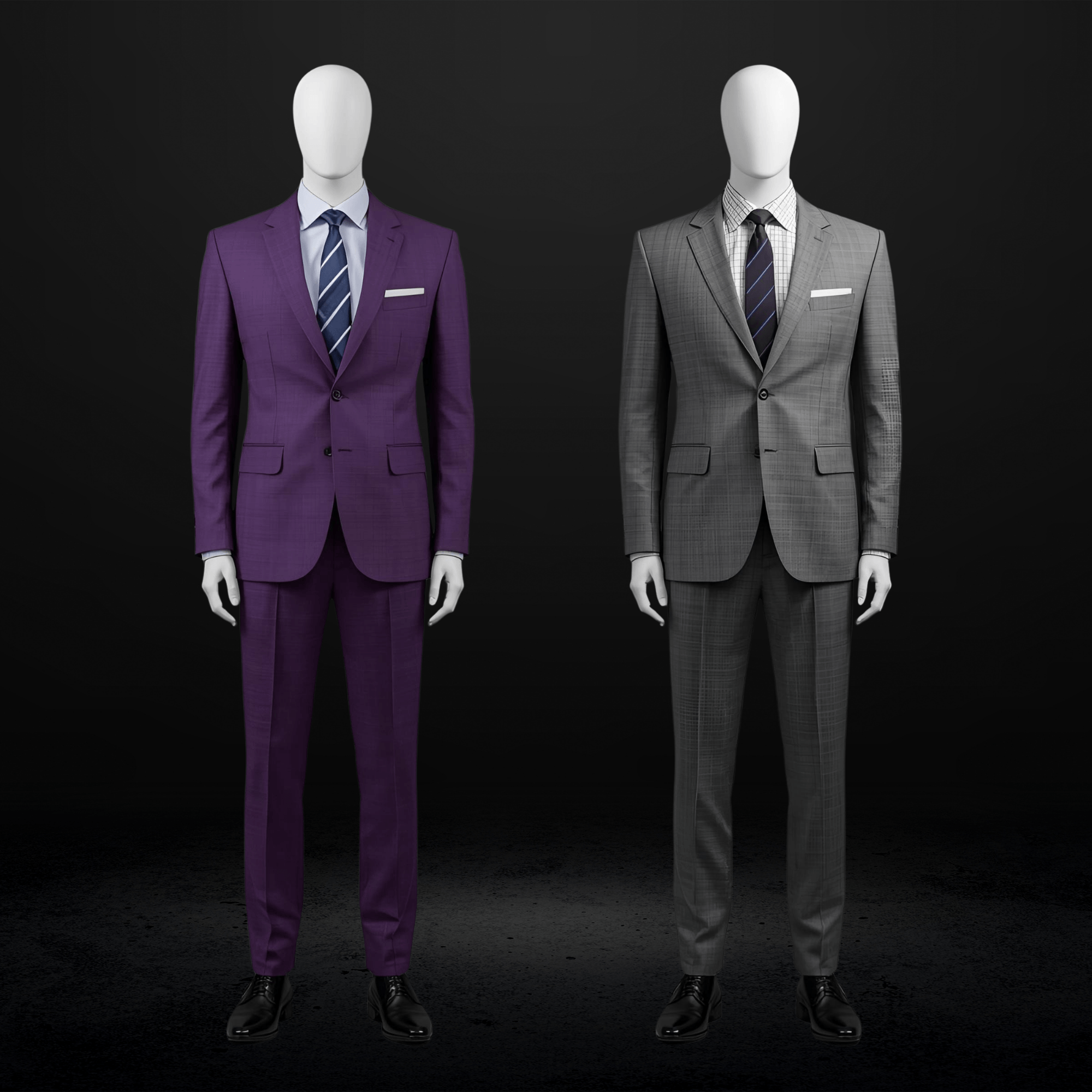
Picture two charcoal suits on a hanger. One relaxes into a soft, easy drape. The other holds its shoulder line as if it were standing at attention. That single difference captures centuries of separate history.
Italian mills built their reputation on softness and lightness. English mills built theirs on structure and stamina. Both traditions still produce some of the finest wool cloth on earth, and both are available to you when you commission a custom suit.
This guide breaks down where each tradition comes from, what makes the cloth different, and how to choose based on occasion, climate, and wear. By the end, you will know which tradition fits your life, not just your taste.
The Italian Tradition: Biella and the Art of Soft Drape
Most of Italy’s finest suiting wool comes from Biella, a town in the Piedmont region at the foot of the Alps. Biella has been a wool town for centuries. According to UNESCO’s official profile, the city has always been considered the Italian wool capital thanks to an abundance of rivers and streams that fueled the growth of its wool manufacturing industry, a sector that still employs thousands of people in the area. The town’s own medieval statutes reference textile activity going back hundreds of years. The safe takeaway is simple: this is a craft tradition with deep roots.
In 2019, UNESCO named Biella a Creative City in the Crafts and Folk Art category. That designation recognized the town’s living textile culture, not just its history.
One natural advantage shaped Biella’s whole identity: its water. Alpine streams around Biella flow through limestone-free terrain, so the water is naturally soft and low in minerals. Soft water needs less soap to wash raw fleece, and it treats the fiber gently. Mills credits this water with helping give Biella wool its smooth hand and quiet luster. This is documented industrial history, not just marketing lore.
Several famous mills operate in and around Biella, including Vitale Barberis Canonico, Reda, Ermenegildo Zegna, and Loro Piana. These are manufacturers, not neutral authorities, so treat their claims as a maker would speak. What matters to you is the result: cloth engineered for softness, fluid drape, and a refined surface.
What Makes Italian Fabric Feel Italian
Italian suiting tends to share a few traits:
- Soft hand and fluid drape. The cloth flows and contours to the body instead of standing away from it.
- Lighter weight. Italian worsteds often run lighter than their English counterparts, which suits warm weather and a modern, slim cut.
- Higher Super numbers. Italian mills frequently showcase very fine yarns, which we explain in the Super number section below.
- Color and pattern variety. Italian mills love to blend wool with silk, cashmere, linen, or mohair, and they experiment with color and texture.
The result pairs naturally with the Italian tailoring philosophy: a softer shoulder, lighter canvas, and a silhouette that drapes rather than commands.
The English Tradition: Huddersfield and the Power of Structure
England’s suiting heartland sits in West Yorkshire, around the town of Huddersfield. Huddersfield lies where the rivers Colne and Holme meet. Water flowing off the Millstone Grit of the Pennine hills gave the area soft water ideal for washing wool, and weavers have been drawn to the area since the fourteenth century.
That cottage industry grew into a worsted powerhouse during the Industrial Revolution. At the peak, in 1911,22,000 people were working in textiles in Huddersfield, recorded as one third of all men and two thirds of all women in the town. The phrase “Made in Huddersfield, England,” woven into the selvedge of the cloth, became a global mark of quality for worsted suiting.
This is the cloth tradition behind Savile Row. London’s bespoke tailors have long sourced their cloth from Yorkshire, and Huddersfield merchants supply the world’s best tailoring houses to this day.
Named English and British mills include Dugdale Bros and Co, Holland and Sherry, Fox Brothers, and Harrison’s of Edinburgh. Again, treat these as manufacturers, not neutral referees. Fox Brothers, based in Somerset in the West of England, is widely credited as the original creator of fine wool flannel.
What Makes English Fabric Feel English
English suiting tends to share these traits:
- More weight and body. English worsteds are traditionally heavier, which helps the cloth drape cleanly and hold a sharp line.
- Structure and resilience. The cloth supports a defined, powerful silhouette and wears hard over many years.
- The worst standard. “Made in Huddersfield” worsted set the global benchmark for business and formal cloth.
- Heritage patterns and woolen cloths. Think herringbone, houndstooth, pinstripe, plus the woolen heritage of flannel and tweed.
This pairs with the English tailoring philosophy: a structured, often roped shoulder, a full canvas chest, and a commanding line built to last.
Not sure whether your lifestyle calls for Italian softness or English structure? Our team can put both kinds of cloth in your hands and talk through the trade-offs for custom business suits in Kansas City.
Italian vs English Fabric: Side by Side
| Feature | Italian (Biella) | English (West Yorkshire) |
|---|---|---|
| Typical hand | Soft, fluid, smooth | Firmer, more substantial |
| Typical weight | Lighter worsteds | Heavier worsteds |
| Drape | Flows, contours to body | Holds shape, crisp line |
| Strength | Refined, can be delicate at high Super numbers | Hard-wearing, built for years |
| Signature look | Modern, relaxed elegance | Classic, structured authority |
| Best season | Warm weather, transitional | Cooler weather, year-round armor |
| Heritage patterns | Subtle, blended, varied color | Herringbone, pinstripe, flannel, tweed |
| Named mills | Vitale Barberis Canonico, Reda, Zegna, Loro Piana | Dugdale Bros, Holland and Sherry, Fox Brothers, Harrison’s |
Remember: modern mills blur these lines. English mills now weave lightweight summer cloth, and Italian mills weave heavier winter cloth. Use the table as a starting point, not a rulebook.
Understanding Super Numbers (The Right Way)
You will see Super numbers on almost every quality wool: Super 100s, Super 120s, Super 150s, and higher. Here is what they actually mean.
A Super number measures the fineness of the wool fiber, expressed as a maximum fiber diameter in microns. A micron is one millionth of a meter. The system is standardized by the International Wool Textile Organisation (IWTO) through its Fabric Labelling Code of Practice. Each step of ten Super numbers corresponds to half a micron less in allowed maximum fiber diameter.
The single most important thing to understand: a higher Super number means a finer, rarer fiber, not a more durable or higher-quality suit. Finer fibers feel softer and look more refined, but they are also more delicate. They can wrinkle, snag, and wear out faster.
Worth knowing: the Super designation is voluntary, not legally enforced in most markets. Any mill can print a high number on a label without independent verification. That is why mill reputation matters as much as the number itself. Stick with reputable mills when Super numbers factor into your decision.
For everyday wear, lower Super numbers are usually the smarter choice. Super 100s and 120s strike the best balance of softness and toughness, which is exactly what a daily business suit needs. Save the very high numbers for suits you wear occasionally.
Super Number Reference Table
These are the maximum fiber diameters set by the IWTO Code of Practice.
| Super number | Maximum fiber diameter |
|---|---|
| Super 100s | 18.75 microns |
| Super 110s | 18.25 microns |
| Super 120s | 17.75 microns |
| Super 130s | 17.25 microns |
| Super 140s | 16.75 microns |
| Super 150s | 16.25 microns |
| Super 160s | 15.75 microns |
| Super 180s | 14.75 microns |
| Super 200s | 13.75 microns |
Note: Many retailers loosely quote “Super 100s equals about 18.5 microns.” The official IWTO figure is 18.75 microns. The word “Super” can only be used for fabrics made of pure new wool, though it can also apply to blends with rare fibers like cashmere, mohair, alpaca, and silk.
Fabric Weight: The Number That Actually Matters in Kansas City
If Super numbers describe fineness, fabric weight describes how heavy and warm the cloth is. Weight is measured in grams per square meter (g/m2) or ounces per yard. For comfort and seasonality, weight often matters more than the Super number.
Heavier cloth is warmer and holds structure. Lighter cloth breathes and drapes more loosely. In a humid Midwest summer, weight and weave decide whether you stay comfortable or melt.
Fabric Weight by Season
| Cloth type | Approx. weight | Best season |
|---|---|---|
| Tropical / summer wool | about 230 to 280 g/m2 (7 to 9 oz) | Summer, hot and humid days |
| Four-season worsted | about 270 to 340 g/m2 (9 to 11 oz) | Spring, fall, year-round |
| Flannel | about 310 to 400 g/m2 (11 to 14 oz) | Fall and winter |
| Tweed | about 340 to 500 g/m2 (12 to 18 oz) | Winter, country, outdoor |
Two cloths at the same weight can perform very differently based on the weave. A high-twist, open-weave tropical wool breathes far better than a tightly woven cloth of the same weight. That is why summer suiting prizes open weaves.
This is also where the Italian and English traditions show their hands. Italian worsteds tend to land on the lighter side of these ranges, which is ideal for Kansas City summers. English worsteds tend to land heavier, which is ideal for cold months and a structured look.
Why This Matters for Kansas City
Kansas City has a humid subtropical climate. Summers are hot and sticky, with July highs around 90 degrees Fahrenheit (about 32 degrees Celsius) and humidity that often climbs past 80 percent. In that kind of weather, a heavy English flannel will punish you.
For local summer events, lean toward a lightweight Italian tropical wool or a high-twist open weave. For fall, winter, and a daily office suit, a four-season worsted or an English mid-weight will serve you better.
Worsted vs Woolen: The Construction Behind the Cloth
Two words explain almost every wool fabric: worsted and woolen. They describe how the yarn is made, and that determines how the suit looks, feels, and lasts.
Worsted yarn uses long fibers that are combed so they lie parallel, then spun tight. The result is smooth, fine, strong, and crisp. Worsted is the standard for business and formal suiting because it holds a sharp line and resists wear. Most Italian and English suit cloth is worsted.
Woolen yarn uses shorter fibers that are carded, not combed, so they lie in all directions. The result is lofty, fuzzy, soft, and full of trapped air, which makes it warm. Woolen cloth is less about crispness and more about texture and insulation.
Flannel and tweed are the classic woolen cloths, and they are deeply tied to British heritage. Flannel is brushed or milled to create its soft, fuzzy surface. Worsted flannel exists, too, but it is less lofty than a true woolen flannel. Tweed is a rugged, textured woolen cloth built for cold and country wear.
Finishing: The Secret Step After Weaving
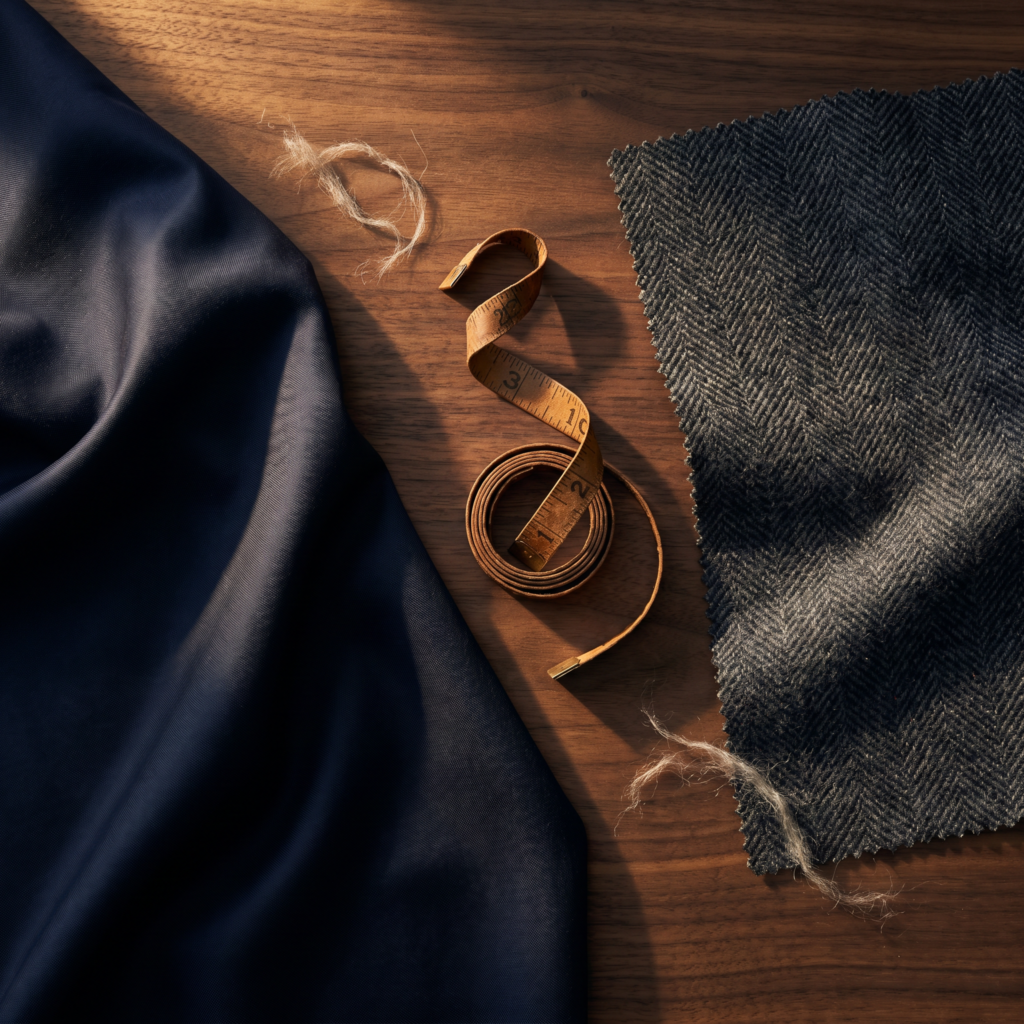
Cloth does not leave the loom ready to wear. Straight off the loom, it is dull, stiff, and unfinished, sometimes called “loom state” or “greasy” cloth. Finishing transforms it into the supple, lustrous fabric you actually want.
Finishing includes scouring (washing out oils and dirt), pressing, steaming, and surface treatments. For worsted cloth, finishing aims for a smooth, clean surface, so makers minimize anything that would raise a hairy nap. For flannel, milling and brushing deliberately raise that soft, fuzzy surface.
Finishing is a highly skilled craft, and it is one of the quiet reasons top mills command a premium. Two cloths woven from identical yarn can feel completely different after finishing. Biella’s soft water plays a role here too, since clean, low-mineral water gives finishers precise control over washing and dyeing.
Classic English Patterns and How They Are Woven
English suiting is famous for patterns woven into the cloth, not printed on top. Most are built on variations of a twill weave, using different colored yarns and changes in the direction of the weave.
- Herringbone: a repeating V-shaped, broken-twill pattern that looks like a fish skeleton. Common in heavier cloth and tweed.
- Houndstooth: a broken check with jagged, tooth-like shapes. Bolder, often used on jackets.
- Pinstripe: thin, evenly spaced vertical stripes. The classic business and power-suit look.
- Chalkstripe: softer, wider stripes that look like a line drawn in chalk. Often seen in flannel.
- Birdseye (or nailhead): tiny dots that read as a near-solid from a distance, with subtle texture up close.
- Sharkskin: also called pick-and-pick, a two-tone weave that shifts and shimmers as you move.
These patterns are cornerstones of British suiting, and Yorkshire mills have woven them for generations.
How to Choose by Occasion
Business and Daily Wear
Choose a four-season worsted in the 270 to 340 g/m2 range, in navy or charcoal. Favor lower Super numbers, like 100s or 120s, for durability. An English mid-weight worsted is a classic workhorse, but a sturdy Italian worsted works too. Build for wear, not for the showroom.
Weddings (Groom and Groomsmen)
For your wedding day, comfort and photos both matter. A refined Italian worsted with elegant drape looks beautiful in pictures and feels good through a long day. For a summer wedding, go lighter. For groomsmen who will reuse the suit, lean toward a versatile mid-weight in a durable Super number.
Prom and Special Events
Prom is the moment to enjoy a softer, more expressive cloth. An Italian fabric with a fluid drape and interesting color or texture stands out without looking costume-like. Since this is occasional wear, a higher Super number is fine here.
Year-Round Versatility
If you want one suit to do almost everything, choose a four-season worsted around 280 to 320 g/m2 in navy or charcoal. This is the most flexible cloth you can own, and it bridges the Italian and English styles nicely.
Humid Midwest Summers
This is where Italian cloth shines for Kansas City. Choose a tropical wool or high-twist open weave in the 230 to 280 g/m2 range. The open weave lets air move, and the lighter weight keeps you comfortable when the humidity climbs.
Frequently Asked Questions
Is Italian or English suit fabric better?
Neither is better. They are built for different goals. Italian cloth prioritizes soft, lightweight drape, which suits warm weather and a relaxed, modern look. English cloth prioritizes structure and durability, which suits cold weather, daily wear, and a commanding silhouette. The “better” choice is the one that fits your climate and calendar.
Does a higher Super number mean a higher-quality suit?
No. A higher Super number only means a finer, rarer fiber. It does not mean the suit is more durable or better made. In fact, very high Super numbers are more delicate. For a suit you will wear often, a Super 100s or 120s usually lasts longer and looks sharp far longer.
What fabric weight is best for Kansas City summers?
Aim for a lightweight tropical wool or high-twist open weave, roughly 230 to 280 g/m2 (7 to 9 oz). The open weave and lighter weight breathe in the humidity. Save flannel and heavier worsteds for fall and winter.
What is the difference between worsted and woolen cloth?
Worsted uses long, combed, tightly spun fibers, which create a smooth, crisp, durable cloth ideal for suits. Woolen uses shorter, carded fibers, which create a lofty, soft, warm cloth like flannel and tweed. Most suits are worsted. Flannel and tweed are woolen.
Are flannel and tweed Italian or English?
Both flannel and tweed are deeply tied to British and broader UK heritage. Fox Brothers in the West of England is credited as the original creator of fine wool flannel. Tweed has long British and Irish roots. Italian mills make excellent flannel, too, but the heritage is British.
Why is Biella water important for Italian wool?
Biella’s alpine water is naturally soft and low in minerals because it flows through limestone-free terrain. Soft water needs less soap and treats the fiber gently during washing and finishing. MMills credits it with helping produce Biella wool’s smooth hand and luster, and it gives finishers precise control over washing and dyeing.
What does “Made in Huddersfield, England” mean?
It is a historic mark of quality woven into the selvedge of fine worsted cloth from West Yorkshire. The phrase became a global signal of premium worsted suiting and is closely tied to the cloth that supplies Savile Row tailoring.
Can one suit work all year in Kansas City?
Yes, if you choose a four-season worsted around 280 to 320 g/m2 in navy or charcoal. It will not be perfect in the deepest cold or the worst humidity, but it handles most of the year well. For real summer comfort or true winter warmth, add a lighter and a heavier option later.
Still weighing Super numbers, weight, and weave for your build and climate? It is easier with cloth in hand. You can schedule a Kansas City fitting consultation and let an expert narrow the field for you.
Key Takeaways
- Italian cloth: Softer, lighter, more fluid drape. Best for warm weather, weddings, prom, and a modern, relaxed look.
- English cloth: Heavier, more structured, hard-wearing. Best for daily business wear, cold months, and a commanding silhouette.
- Super numbers: Measure fineness, not durability. Lower numbers like 100s and 120s are smarter for everyday suits.
- Fabric weight: Often matters more than Super number for comfort. Lighter for Kansas City summers, heavier for winter.
- Worsted vs woolen: Worsted is smooth, crisp, and durable. Woolen, like flannel and tweed, is soft, lofty, and warm.
- Finishing: The skilled step after weaving that turns dull loom-state cloth into supple, lustrous fabric.
- Local fit: For humid Kansas City summers, lean Italian and lightweight. For year-round armor, a mid-weight worsted wins.
Build the Suit That Fits Your Tradition
Italian softness or English structure: the right answer depends on you, your climate, and how you will wear the suit. The best way to decide is to feel the cloth, see it drape, and talk it through with someone who fits suits every day.
When you are ready, bring your questions and let our team guide you to the perfect cloth and cut. To understand the labels you will see along the way, you can also read what Super numbers really mean before your appointment.
The Suit Doctor brings custom and made-to-measure tailoring to Kansas City, with expert guidance on every fabric, fit, and finish.