












A custom suit is not just clothing. It is a professional investment. How you care for it determines whether it serves you for 5 years or 20. This guide covers every stage of suit care with specific, practical habits: daily maintenance, cleaning frequency, wrinkle removal, storage, and travel. Follow these steps and your suit will look sharp for years longer than you might expect.
TLDR: Daily habits (brush, air, rest between wears) do more for your suit than any cleaning routine. Dry clean less than you think, because over-cleaning damages wool. Storage decisions like hanger choice, garment bags, and cedar protection are what guard the suit when it is not being worn. These habits cost almost nothing, but they are the difference between a suit that lasts 3 years and one that lasts 20.
The Math Behind Suit Longevity
Here is the number that should change how you think about suit care. Off-the-rack suits typically last 2 to 5 years of regular use. A well-maintained custom or bespoke suit lasts 10 to 20 years. Some, when worn occasionally and cared for properly, last even longer and are passed on as heirlooms.
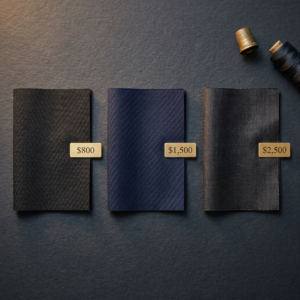
Run the math on a $1,500 custom suit. If it lasts 15 years, that is $100 per year. The same suit neglected into failure in 3 years costs $500 per year. The difference between those two outcomes is not construction quality alone. It is daily care habits that cost nothing but a few minutes of attention. If you are still weighing whether custom is worth the upfront cost, our breakdown of 10 reasons your next suit should be custom puts the full value into perspective.
Every tip in this guide exists to keep your suit in that first category.
The Daily Habits That Add Years to a Suit’s Life
The most effective suit care happens in the first five minutes after you take it off. Three habits, done consistently, will extend the life of your suit more than any cleaning or repair service.
Empty Your Pockets
Weight in pockets stresses seams and stretches fabric over time. Keys, wallets, phones, and loose change all pull on the jacket and trouser structure. Make it the first thing you do when you get home.
Brush the Suit
Use a boar hair (natural bristle) brush. Brush gently downward along the grain of the fabric. This removes dust, microparticles, and surface debris before they work their way into the fiber structure and cause abrasion over time. Always brush in one direction only. Brushing against the grain or in multiple directions can cause pilling. Avoid synthetic brushes. They generate static that attracts more lint rather than removing it.
Air It Out
Wool has natural self-cleaning properties. The keratin and lanolin in wool fibers break down odors and moisture on their own, but only when given airflow. Hang the suit on a proper hanger (not inside a garment bag or sealed closet) for at least a few hours after wearing, or ideally overnight. A day or two of airing removes most light odors without any cleaning at all. Wool can absorb up to 30% of its weight in moisture without feeling wet, which is why airing is so effective at refreshing it.
Rotate Your Suits
Allowing a suit to rest 24 to 48 hours between wears gives the fibers time to recover their shape and reduces the overall rate of wear. For daily suit wearers, a minimum rotation of 2 suits is recommended. For executives wearing suits 4 to 5 days per week, 3 to 5 suits is ideal. A proper rotation roughly doubles each suit’s usable lifespan compared to wearing the same suit every day. Rotation also gives you a regular chance to notice when a suit’s fit has shifted. If you are not sure what to look for, our guide to signs your suit no longer fits and how to fix them walks through the most common red flags.
How Often Should You Dry Clean a Suit?
The answer is: less often than most people think. Over-dry cleaning is one of the most common ways men inadvertently damage quality suits.
Dry cleaning uses strong chemical solvents that strip natural oils from wool fibers, fade color, weaken the fabric structure, and accelerate wear. The more often you dry clean, the faster these effects compound. For a suit you wear several times a week, dry cleaning every 3 to 6 months is sufficient. For occasional wear (a few times per month), 1 to 3 times per year is plenty. For event-only suits, once per year or as needed is the right cadence.
One important rule: Always send the jacket and trousers to the cleaner together, even if only one piece needs cleaning. Repeated cleaning of only one half will cause the color and texture to diverge over time, making the suit look mismatched.
When to dry clean outside the schedule: Visible stains that cannot be spot cleaned, persistent odors that do not air out after 24 to 48 hours, or after particularly sweaty or high-stress wearing occasions like hot weather events or long travel days.
The Suit Doctor’s Kansas City team can also advise on care routines specific to your fabric choices during or after your fitting appointment. The right care approach depends heavily on the material, and knowing your fabric makes a real difference.
Spot Cleaning: Handle Small Issues Without a Trip to the Cleaner
For minor stains and surface marks, spot cleaning at home extends the time between dry cleans significantly.
Act quickly. The longer a stain sits, the harder it is to remove. Blot gently with a clean, damp cloth. Never rub. Rubbing spreads the stain and can damage fibers. Use cold or cool water only. Hot water can set stains and shrink wool. For mild odors and light surface residue, a light mist of plain water followed by airing out is often sufficient. For more stubborn spots, a small amount of mild, pH-neutral detergent on a damp cloth works for many organic stains. Allow the suit to air dry completely after spot treatment.
What not to do: Do not machine wash a structured suit jacket. Water and agitation will collapse the internal canvas and ruin the shape permanently. Do not use harsh chemical stain removers on wool. And for heavy stains like wine, oil, grass, or blood, take the suit to a professional immediately rather than attempting a home fix.
Steam vs. Iron: The Right Way to Remove Wrinkles
For wool suits, the rule is simple: always steam. Never iron directly onto the fabric.
Why Steaming Beats Ironing
Steaming uses hot moisture to relax fibers without applying pressure or direct heat to the fabric surface. Direct ironing on wool can create permanent shine (sometimes called “iron shine”), flatten the natural texture of the fabric, and in worst cases, damage the fiber structure itself. Steaming also refreshes fabric by removing light odors and dust in the same pass.
How to Steam Correctly
Use a handheld garment steamer. Hold it a few inches from the fabric. Use slow, downward strokes. Never press the steamer against the surface. One critical warning: never steam the chest panel directly. The canvas interlining that gives a quality suit jacket its structure can be permanently distorted by direct, sustained steaming over the chest area. A tailor will tell you this is one of the most common and most avoidable mistakes.
Allow the suit to cool and dry completely before wearing or folding. Putting on or storing a damp suit can set new creases.
The Bathroom Steam Hack
If you do not own a steamer, hang the suit in a closed bathroom while running a hot shower for 10 to 15 minutes. The ambient steam relaxes light wrinkles effectively. This is not a substitute for a proper steamer, but it works well for refreshing a suit the night before a wear or after travel.
If Ironing Is the Only Option
Use a pressing cloth (a thin piece of cotton fabric placed between the iron and the suit) to create a barrier. Use the lowest heat setting appropriate for wool. Keep the iron moving. Never let it rest on one spot. Even with a pressing cloth, ironing should be a last resort.
How to Store a Suit Properly
Storage is where most suit damage happens invisibly. The right decisions here protect the suit’s shape, fabric, and structure between wears and across seasons.
The Hanger
The single most important storage decision is hanger choice. Use wide, contoured wooden hangers that mimic the natural shape of the shoulder. Cedar hangers add the benefit of natural moth repellency and moisture absorption.
Never use wire hangers or thin plastic hangers. They allow the jacket shoulders to collapse, distort the shoulder seams, and create creasing across the back. For trousers, hang by the cuffs on a clip hanger (letting gravity pull out creases) or use a hanger with a felted trouser bar to maintain the crease.
Closet Conditions
Suits need air circulation. Never pack them tightly between other garments. Store in a cool, dry location away from direct sunlight, which fades color and weakens fibers. High humidity encourages mildew and odor. If humidity is a concern, silica gel packs or moisture-absorbing crystals in the closet can help.
Garment Bags
Use breathable cotton garment bags for suits that will be stored long term or transported. Never use the thin plastic dry-cleaning bags for long-term storage. They trap moisture and can cause yellowing, mildew, and fiber degradation over time. Short-term use of a plastic bag for transport (a day or two) is acceptable. Long-term storage in plastic is not.
Seasonal Storage
Always have the suit professionally cleaned before storing it for a season. Moths are attracted to soiled garments. The oils, sweat, and food particles that a “clean-looking” suit still carries are exactly what moth larvae feed on. A clean suit stores safely. A dirty suit in a dark closet is a moth’s ideal environment.
Moth Prevention
Cedar blocks, balls, or hangers naturally repel moths. Lavender sachets are an effective natural alternative. Avoid traditional mothballs. They work, but they leave a chemical odor that is extremely difficult to remove from wool. Cedar loses its potency over time. Refresh it by sanding the surface lightly or applying cedar oil every 6 to 12 months. Inspect stored suits every 2 to 3 months to catch any early signs of damage.
Traveling with a Suit
Garment Bag First
A suit-specific garment bag is the best option for travel. It allows the suit to hang or fold loosely with minimal friction. For checked luggage, use a dedicated suit carrier (a soft-sided bag that folds in thirds) rather than a hard suitcase when possible.
Folding for a Suitcase
If packing in a suitcase is the only option, turn the jacket inside out so the lining faces outward. This protects the outer fabric during contact with the suitcase walls. Fold the jacket in half so both shoulders meet, with one shoulder turned inside the other. Lay flat with the trousers folded on top. Some tailors recommend placing the suit inside the dry-cleaning plastic bag for packing, because the plastic reduces friction during transit, which reduces creasing.
On Arrival
Unpack and hang immediately. Do not leave a suit folded in a suitcase overnight. Allow gravity to begin releasing creases before steaming. If a steamer is not available, the bathroom steam method works well for travel creases. Hang the suit by an open window if possible. Fresh air removes odors and helps the fibers recover.
Care by Fabric Type
The right care approach depends on your suit’s fabric. Most suits from The Suit Doctor are wool-based, but different blends have different needs. If you are not sure what fabric your suit is made from, our guide to choosing the right business suit fabric in Kansas City covers the most common options and how they perform.
| Fabric | Key Care Notes |
|---|---|
| Wool (standard) | Steam preferred; dry clean 1 to 3 times per year; air after each wear; natural self-cleaning properties |
| Wool (Super 110s to 130s) | Extra delicate; steam only; less frequent cleaning; finer fibers are more susceptible to abrasion |
| Wool blend (with polyester) | More wrinkle-resistant and slightly more durable; steaming still preferred over ironing |
| Cotton | Can tolerate light ironing with a pressing cloth at moderate heat; breathes well |
| Linen | Prone to wrinkling; light steaming preferred; some wrinkling is inherent to the fabric |
| Cashmere or cashmere blend | Most delicate; steam only; store flat if possible; cedar or lavender for moth protection |
Key rule for all fabrics: Check the care label. When in doubt, steam and air rather than attempting any chemical cleaning at home.
Not sure what care routine is right for your wardrobe? Contact The Suit Doctor in Kansas City for guidance specific to your suits and fabric choices.
Quick Reference: Suit Care Schedule
| Task | Frequency |
|---|---|
| Empty pockets and brush | After every wear |
| Air out before storing | After every wear; 2 to 24 hours |
| Rest between wears | 24 to 48 hours minimum |
| Spot clean minor stains | As needed; immediately |
| Steam to remove wrinkles | As needed |
| Dry clean (regular wearer) | Every 3 to 6 months |
| Dry clean (occasional wearer) | 1 to 3 times per year |
| Inspect stored suits | Every 2 to 3 months |
| Refresh cedar or lavender | Every 6 to 12 months |
| Professional clean before seasonal storage | Before each off-season |
Common Suit Care Questions
Q: Can I machine wash my suit?
No. A structured suit jacket should never be machine washed. Water and agitation will collapse the internal canvas, ruin the shape, and potentially shrink the fabric. Trousers with a soft construction may survive a gentle cycle in some cases, but the safest approach for any suit is dry cleaning or professional spot treatment.
Q: How do I get wrinkles out without a steamer?
Hang the suit in a closed bathroom while running a hot shower for 10 to 15 minutes. The ambient steam relaxes light wrinkles effectively. If you must use an iron, always place a pressing cloth (a thin cotton fabric) between the iron and the suit, and use the lowest heat setting appropriate for wool.
Q: How do I know if my suit needs dry cleaning?
Three signals: visible stains that cannot be spot cleaned, persistent odors that do not air out after 24 to 48 hours, and a general loss of crispness or structure that brushing and steaming do not restore. If none of these are present, the suit does not need cleaning yet.
Q: What is the best hanger for a suit?
A wide, contoured wooden hanger that mimics the natural shoulder shape. Cedar hangers are ideal because they also repel moths and absorb moisture. Never use wire hangers or thin plastic hangers, which allow the shoulder structure to collapse and create permanent creasing.
Q: How do I prevent moths from damaging my suits?
Cedar blocks, cedar hangers, or lavender sachets are the most effective natural deterrents. Always clean suits before long-term storage, because moths are attracted to soiled garments. Inspect stored suits every 2 to 3 months. Refresh cedar by sanding lightly or applying cedar oil every 6 to 12 months. Avoid mothballs, which leave a strong chemical odor that is very difficult to remove from wool.
Q: Can I spot clean a stain at home?
Yes, for minor stains. Blot gently with a clean, damp cloth using cold water. Never rub. For slightly more stubborn spots, a small amount of mild, pH-neutral detergent on a damp cloth works for many organic stains. For heavy stains like wine, oil, or blood, take the suit to a professional rather than attempting a home fix.
Q: Why does my dry cleaner put my suit in a plastic bag?
The plastic bag protects the suit during transport from the cleaner to your closet. It is not meant for storage. Remove the bag as soon as you get home and hang the suit with room to breathe. Leaving the plastic on traps moisture and can cause yellowing and mildew over time.
Key Takeaways
Daily care is the foundation. Brush, air, and empty pockets after every wear. These five-minute habits prevent more damage than any cleaning service.
Dry clean less, not more. Over-cleaning strips natural oils from wool and accelerates wear. Every 3 to 6 months for regular wear; 1 to 3 times per year for occasional wear.
Steam, never iron. Direct ironing creates permanent shine and flattens wool texture. A handheld steamer or the bathroom steam method protects the fabric while removing wrinkles.
Hanger choice matters more than you think. Wide, contoured wooden hangers (cedar preferred) protect shoulder structure. Wire and thin plastic hangers cause permanent damage.
Rotate your suits. Resting a suit 24 to 48 hours between wears allows fibers to recover and roughly doubles the garment’s lifespan.
Clean before seasonal storage. Moths target soiled garments. A clean suit in a breathable garment bag with cedar protection stores safely for months.
The investment math is clear. A $1,500 suit that lasts 15 years costs $100 per year. The same suit neglected into failure in 3 years costs $500 per year. These care habits are what separate those two outcomes.
Ready to Invest in a Suit Worth Caring For?
You now know exactly how to protect and extend the life of a quality suit. The care habits in this guide work best when the suit itself is built to last: quality fabric, proper construction, and generous seam allowances that allow for alterations as your body changes over time.
The Suit Doctor builds made-to-measure suits across Kansas City that are designed for exactly this kind of longevity. Explore The Suit Doctor’s custom business suits in Kansas City page to see what that process looks like, or go to the contact page to schedule your consultation.
The Suit Doctor | Custom and Made-to-Measure Suits for Men Who Take Their Look Seriously.