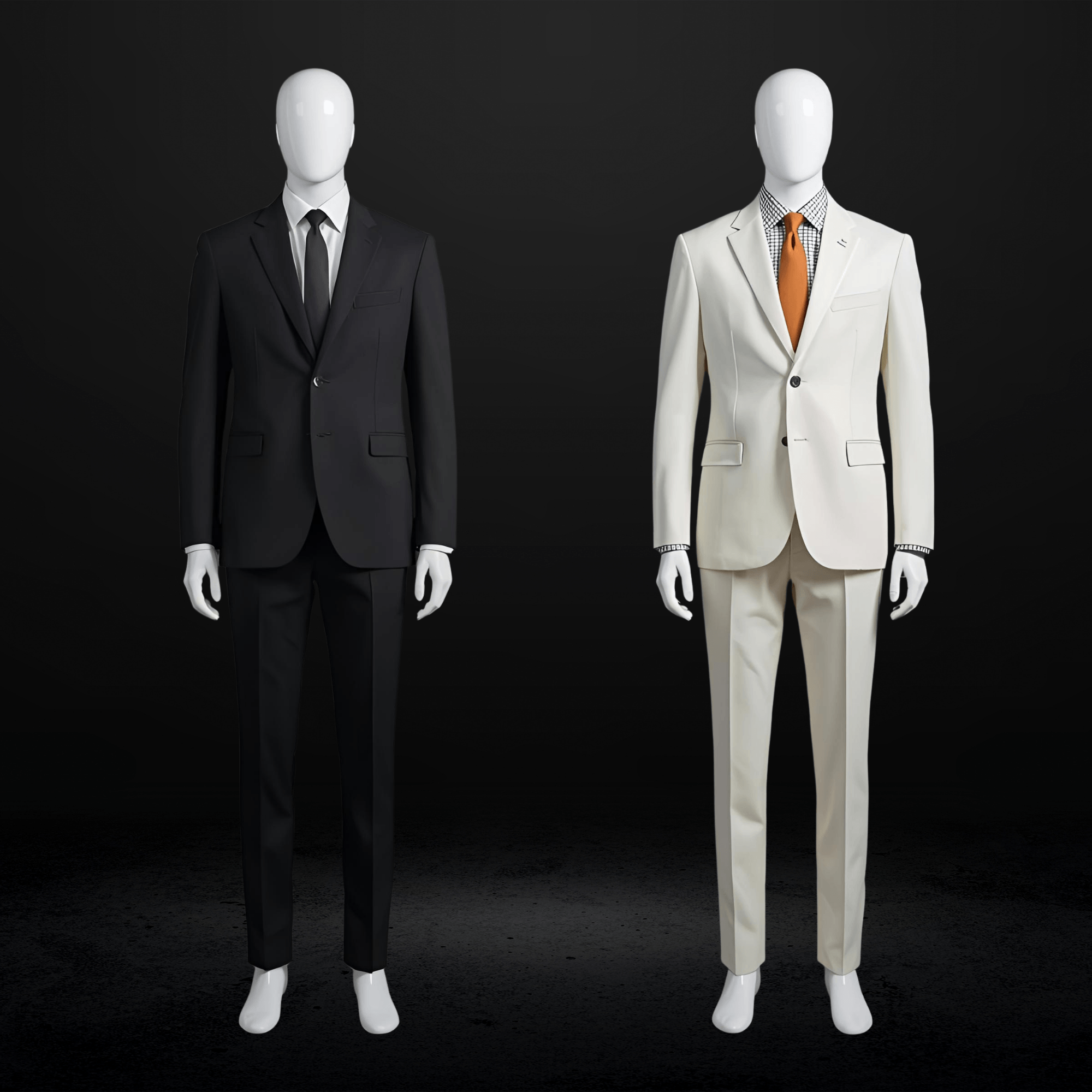
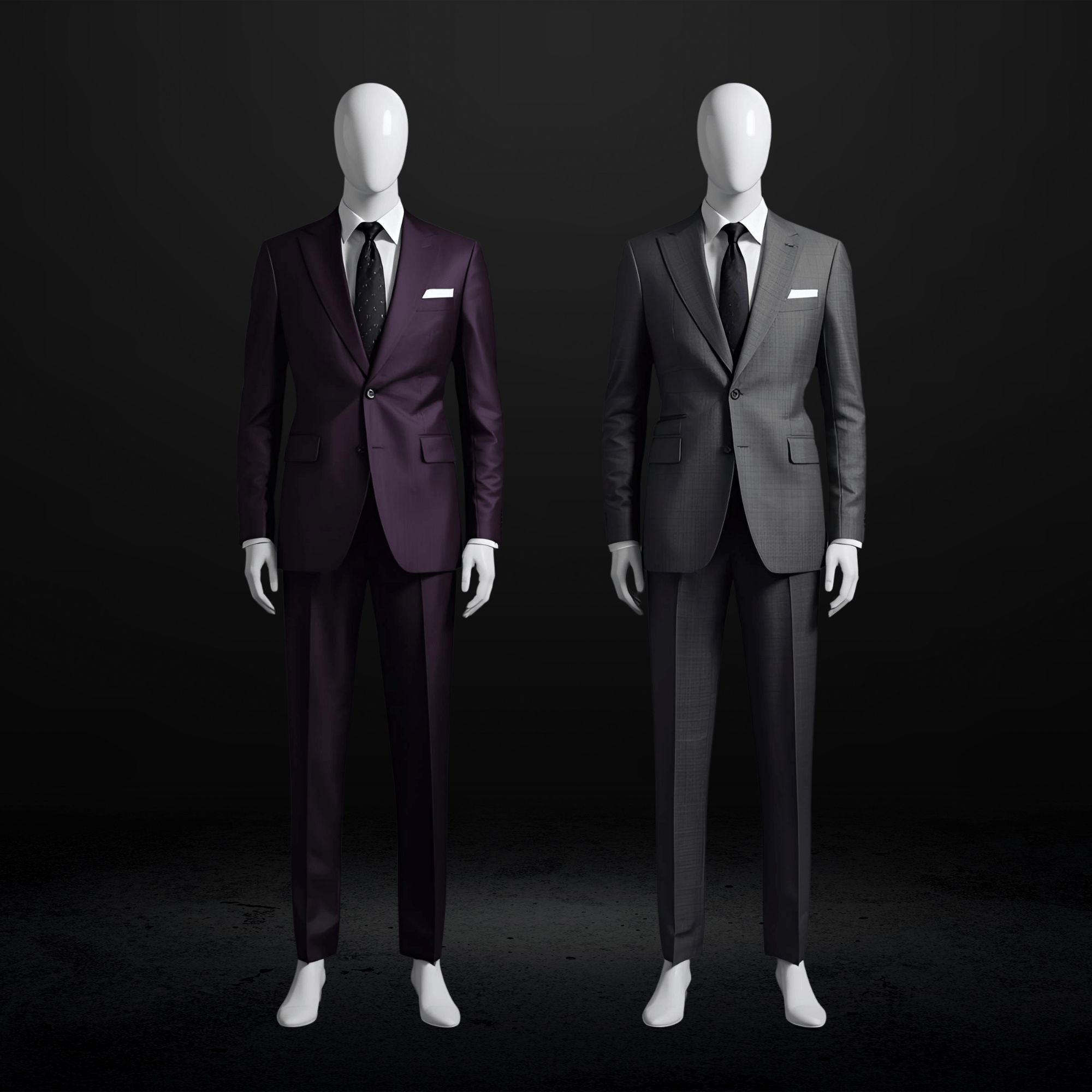
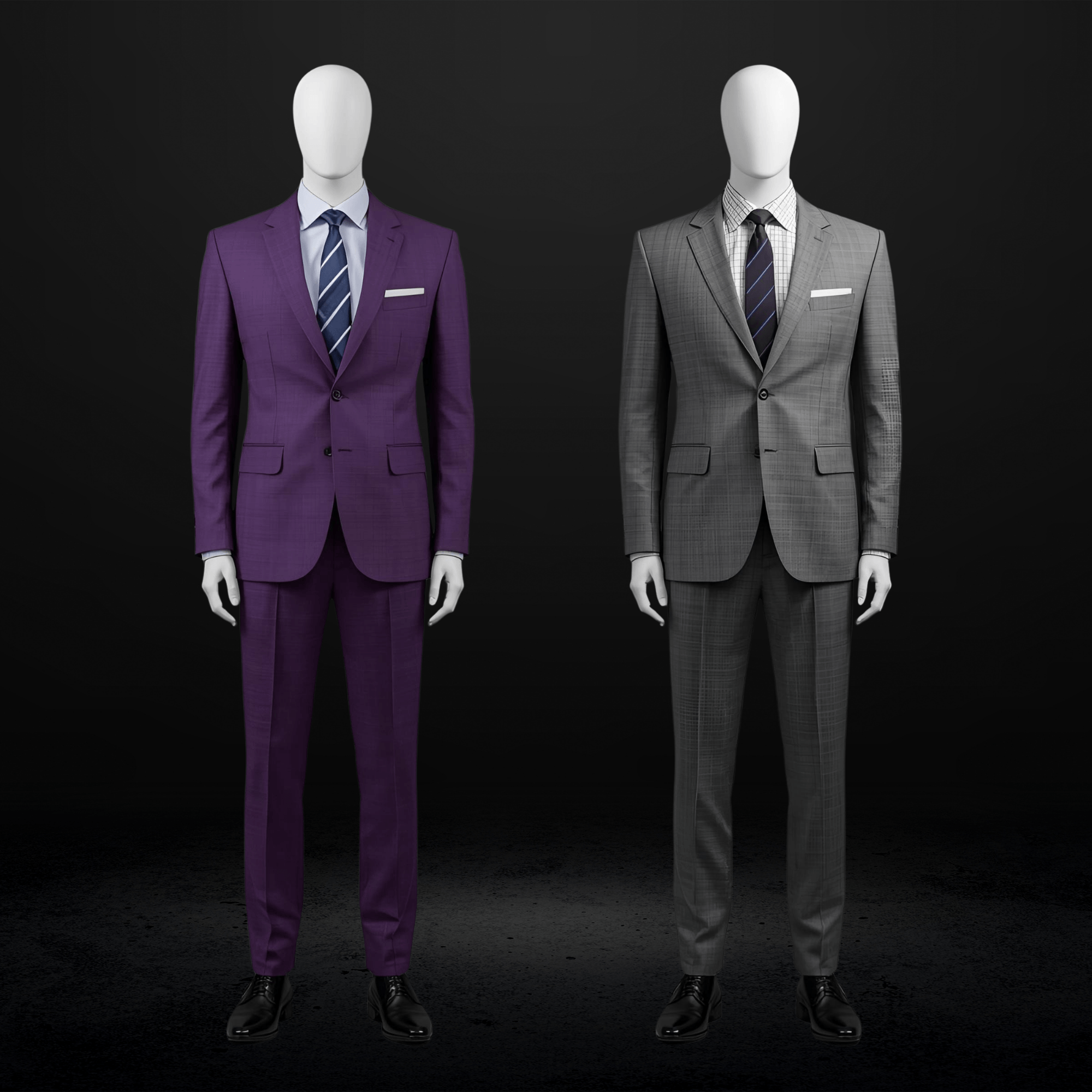
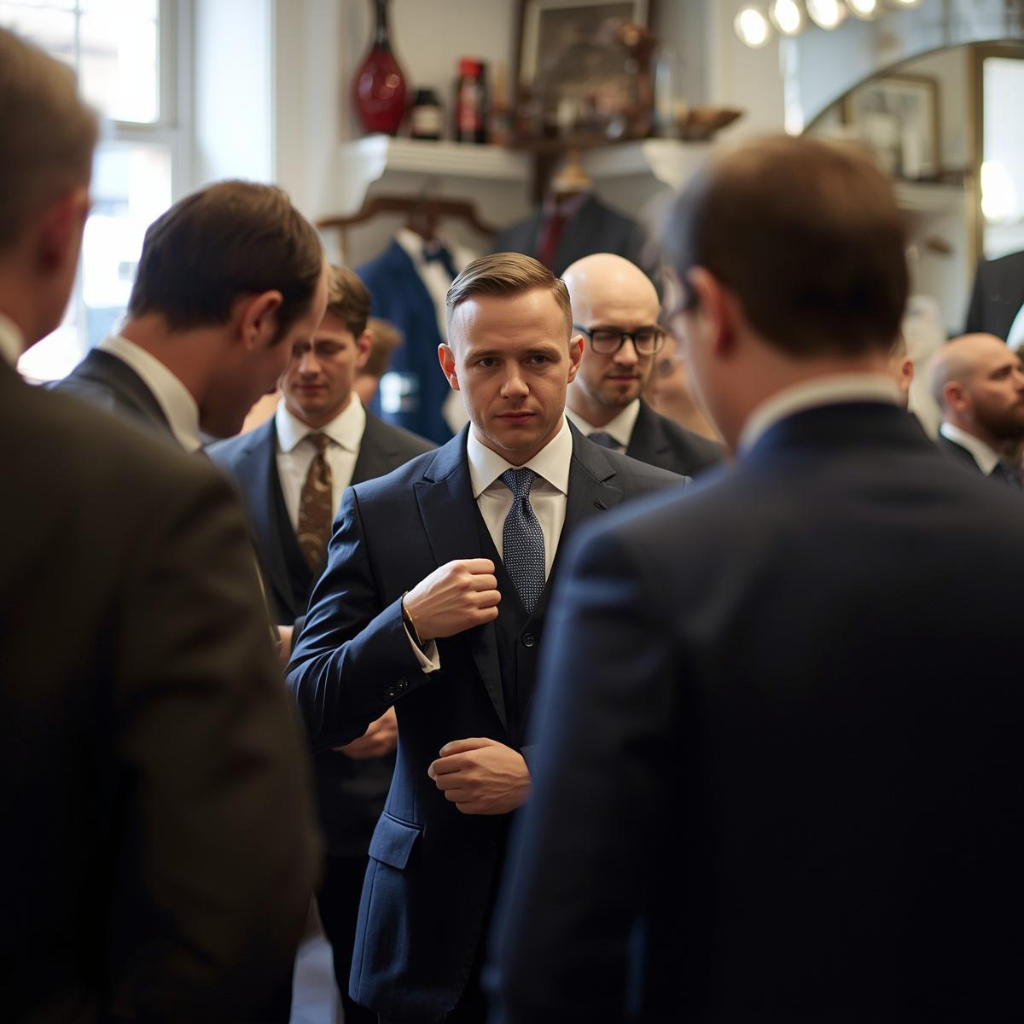
Getting one person fitted for a custom suit is simple. Getting four, five, or six people fitted together is where most plans fall apart. Whether you are coordinating groomsmen for a wedding or outfitting a corporate team for a major event, the logistics of group suit fittings are the real obstacle. This article shows you exactly how a mobile group fitting works, why it eliminates the coordination headaches, and how to get your entire group looking sharp in one organized appointment.
TLDR: Group suit fittings are harder than individual fittings for real logistical reasons: scheduling conflicts, out-of-town members, inconsistent measurements, and style drift. A mobile group fitting solves all of these by bringing one tailor to one location for the entire group. Every person is measured individually, style decisions are made together, and the result is a cohesive, custom look that coordinated rentals or separate store visits cannot match.
Five Groomsmen, Four States, Zero Confirmed Measurements
Ryan is a groom in Kansas City. He has five groomsmen: two local, one in Chicago, one in Dallas, one in Denver. He starts making calls. The two local guys keep rescheduling their store visits. The out-of-town guys do not know where to go for measurements. One of them texts Ryan a set of numbers he suspects were self-reported with a bathroom ruler. Three months before the wedding, Ryan still does not have everyone’s measurements confirmed. He has visited two stores on his own trying to nail down a style, and neither store carries quite what he wants.
Now picture the alternative. Ryan books a group fitting through The Suit Doctor for a Saturday afternoon at his house. The tailor arrives with fabric samples, style guides, and measurement tools. In about two and a half hours, all five groomsmen are measured by the same professional, the fabric and color are chosen, accessories are coordinated, and Ryan can stop thinking about suits entirely. The tailor handles every detail from that point forward.
That shift, from weeks of scattered logistics to one organized afternoon, is not a minor convenience. It is the difference between a stressful, fragmented process and one that actually feels like part of the celebration.
Why Group Suit Coordination Is Harder Than It Looks
If you have ever tried to get a group of adults to agree on a restaurant, you already understand the core challenge. Now add measurements, fabric choices, a firm deadline, and people in different cities. Group suit fitting coordination is genuinely difficult, and the difficulty compounds with every person you add to the group.
The Scheduling Problem
For a wedding party of five groomsmen, the traditional approach means coordinating five separate store visits. Each groomsman has a different work schedule, different availability windows, and different levels of motivation to get it done. Research consistently lists groomsmen attire coordination among the most logistically stressful parts of wedding planning, and 32% of men report feeling overwhelmed by the wedding planning process overall.
For a corporate team, the challenge is similar. Executives and team members have demanding, back-to-back calendars. Finding a shared window for individual store visits across a team of six is nearly impossible.
The Out-of-Town Problem
Wedding parties commonly include groomsmen from different cities or states. When out-of-town groomsmen get measured at separate stores by different staff, each person is using different tools, different techniques, and different reference points. The result is sizing inconsistency that increases the risk of fitting errors, late pickups, and last-minute alterations. Those problems translate directly to extra expense and wasted time at the worst possible moment.
The Style Drift Problem
Without a single coordinating expert overseeing every detail, small inconsistencies creep in. One groomsman picks a slightly different shade of navy. Another ends up with a wider lapel. Ties do not quite match. The result is a wedding party that looks approximately coordinated rather than intentionally put together. For anyone who has ever seen a group photo where one person’s suit is clearly off, you know how visible even small differences are.
How Group Suit Fittings Work at The Suit Doctor
The mobile group fitting model replaces weeks of fragmented coordination with a single, organized appointment. Here is exactly what the process looks like.
Step 1: Initial Consultation
The organizer (the groom, an event planner, or a corporate lead) reaches out to The Suit Doctor and describes the group. How many people, what the event is, desired style direction, budget range, and timeline. This conversation sets up everything that follows.
Step 2: One Coordinated Appointment
A date and location are set that works for the group. This could be a home, an office, a hotel, a wedding venue, or a rehearsal space. One calendar invite. One location everyone already knows. No one has to drive to an unfamiliar store or navigate a mall.
Step 3: Individual Measurements for Every Person
The tailor works through each person in the group individually. That means 18 to 30+ precise body measurements per person, capturing posture, shoulder asymmetry, torso proportions, and stance. Every measurement is taken by the same professional using the same tools and the same methodology. This is the single biggest quality advantage of the group model: consistent measurements across the entire group, taken under the same conditions.
Step 4: Style and Coordination Finalized Together
With everyone in the same room, fabric, color, lapel style, and accessories are decided together in real time. The groom or event lead can see how each choice looks across the group. Questions get answered on the spot. Decisions that would normally take weeks of back-and-forth texts and emails are resolved in minutes.
Step 5: Single Order, Coordinated Production
Everything goes into production on the same timeline. The suits are constructed to each person’s individual measurements and delivered together before the event date. One order. One delivery window. One point of contact managing the entire process.
Step 6: Delivery and Final Fit Confirmation
The tailor returns with the finished suits. Each person tries theirs on. Any refinements are handled at the client’s location. The group walks away fitted and ready.
Have questions about your group size or timeline? The Suit Doctor team can walk you through exactly what to expect. Reach out to schedule a Kansas City group fitting consultation.
Outfitting Your Wedding Party
For grooms, the group fitting is not just about logistics. It is about making one of the most visible parts of your wedding look exactly the way you want it to.
The Ideal Wedding Suit Timeline
Timing matters more for wedding parties than for individual orders, because every week of delay multiplies across the entire group. Here is the timeline that produces the smoothest experience.
| Timeline | Action |
|---|---|
| 6 to 9 months before | Style established, consultation with The Suit Doctor booked |
| 4 to 6 months before | Group fitting appointment held; all measurements taken |
| 4 to 6 weeks before | Suits in production |
| 2 to 3 weeks before | Delivery and final fit confirmation |
The ideal starting point is 6 months before the wedding. The safe minimum for custom or made-to-measure is 3 to 4 months. Anything closer than that and production timelines start to tighten. If you are reading this with your wedding date already on the calendar, our complete wedding suit timeline in Kansas City walks through every milestone in detail.
How the Groom Stands Out
The goal of group coordination is not uniformity. It is visual coherence. The groomsmen should look like they belong together. The groom should look like the person the day is about.
This is usually accomplished through subtle differentiation: a slightly different lapel style, a finer fabric, a unique pocket square, or a vest that the groomsmen do not wear. These small design choices mark the groom clearly without breaking the visual family of the group. When the tailor is working with the groom and groomsmen at the same time, these distinctions are easy to plan and confirm in person.
Why a Group Fitting Beats Separate Store Visits
When each groomsman visits a different store, the organizer becomes a project manager: chasing confirmations, comparing measurement formats, hoping the store in Denver uses the same sizing chart as the store in Kansas City. And when something does not match, the groom is the one stuck troubleshooting two weeks before the wedding.
A mobile group fitting eliminates that entire layer of coordination. One tailor, one measurement standard, one style session. The groom goes from managing five separate processes to attending one afternoon appointment.
What About Out-of-Town Groomsmen?
This is the most common question grooms ask, and it deserves an honest answer.
The mobile group fitting works best when the entire group can assemble in one location. That is when the consistency advantage is strongest: everyone measured by the same tailor, with style decisions made together. For wedding parties where most groomsmen are local or can travel in for a fitting weekend, the group appointment captures everyone at once.
For groomsmen who genuinely cannot be present, The Suit Doctor can coordinate their process separately. But the recommendation is always to get as many people together as possible for the group session. The more people measured by the same professional under the same conditions, the more consistent the final result.
The key takeaway: plan the group fitting around a date when the most groomsmen can attend. A rehearsal weekend, a bachelor party trip, or a dedicated “suit Saturday” all work well. Build the appointment around a natural gathering point, and the coordination problem shrinks dramatically.
Group Suits for Corporate Events and Teams
Wedding parties are the most familiar group fitting scenario, but the same model works for any team that needs to present a polished, coordinated image.
Where Corporate Group Fittings Matter
Trade shows, industry conferences, major client presentations, executive leadership retreats, and company events all create situations where a team’s appearance communicates as loudly as their pitch deck. Research from Princeton psychologists found that people form character judgments from appearance in as little as one tenth of a second. Before a conversation starts at a trade show booth, the team’s appearance has already shaped how the brand is perceived.
A team that arrives in coordinated, well-fitted suits projects strength, professionalism, and shared purpose. Mismatched attire subtly signals disorganization, even if the work itself is excellent. A unified team look is not just an aesthetic choice. It is a strategic decision that strengthens internal culture and reinforces brand authority externally.
How Corporate Group Fittings Work
The process mirrors the wedding model with a few practical adjustments. The tailor comes to the office, hotel, or event venue during a scheduled block. A lunch hour, a pre-conference session, or part of an offsite meeting all work. The tailor moves through each team member individually while the rest of the group continues working.
Style and color coordination are established for the team as a whole. Each person is measured individually to their exact proportions. A single point of contact manages the entire order, timeline, and delivery. Suits arrive together, ready to wear for the event.
For a corporate team of six, a group fitting typically takes 2 to 3 hours. The return on that time investment is a team that walks into the conference or client meeting looking intentional, cohesive, and sharp.
Planning a team event or conference? The Suit Doctor can coordinate group fittings at your Kansas City office or venue.
Does Everyone in the Group Get the Same Suit?
This is one of the most common misconceptions about group fittings. The answer is: coordinated, not identical.
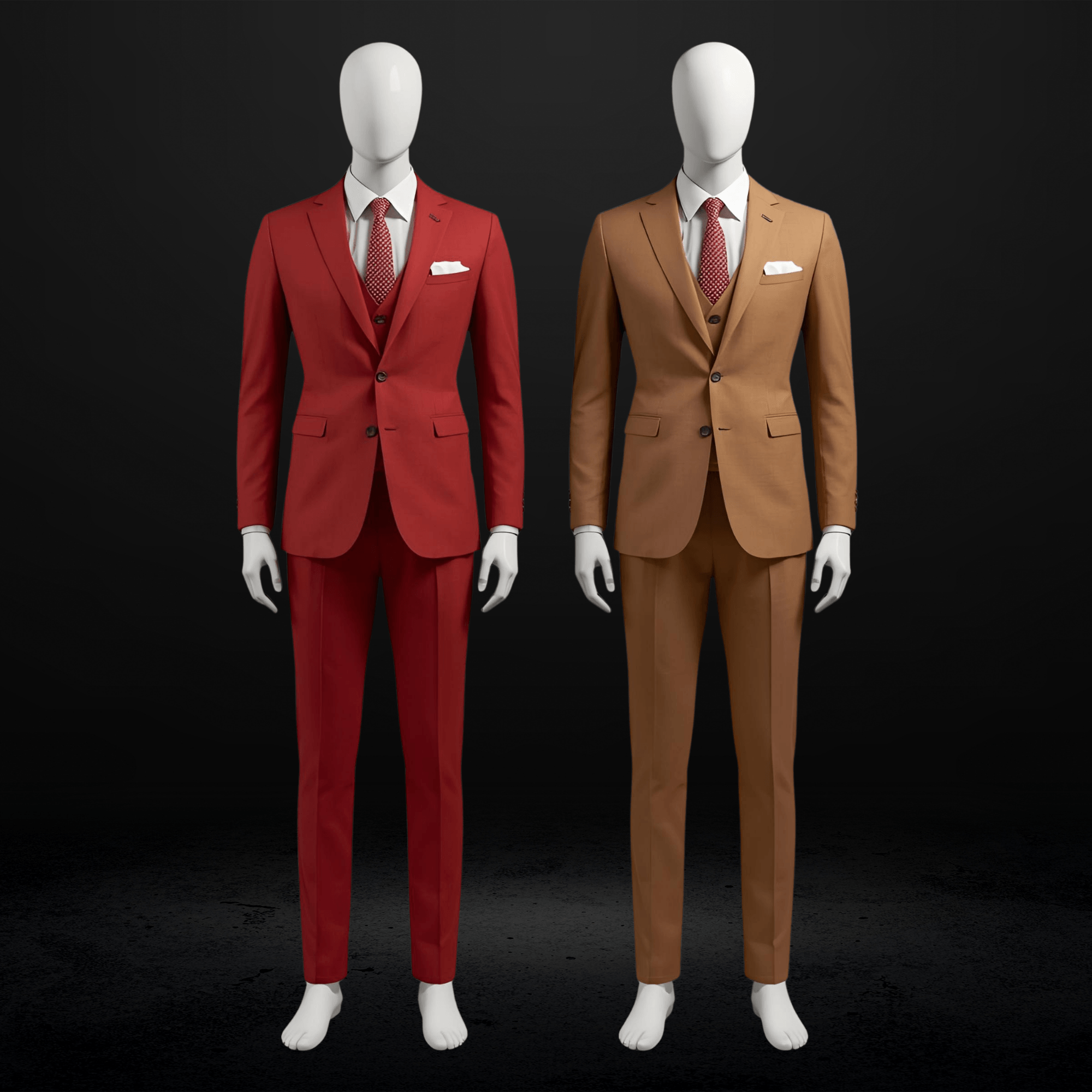
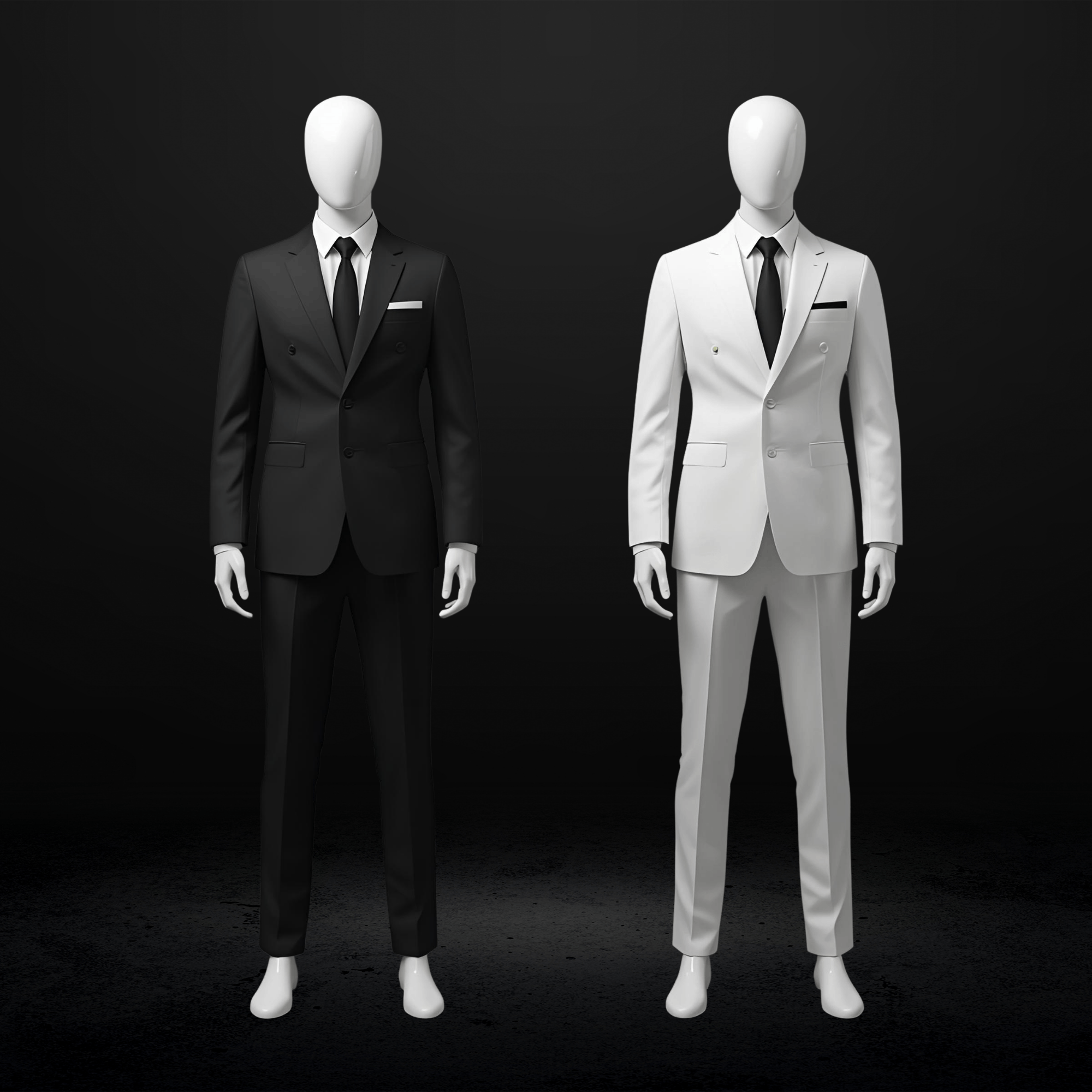
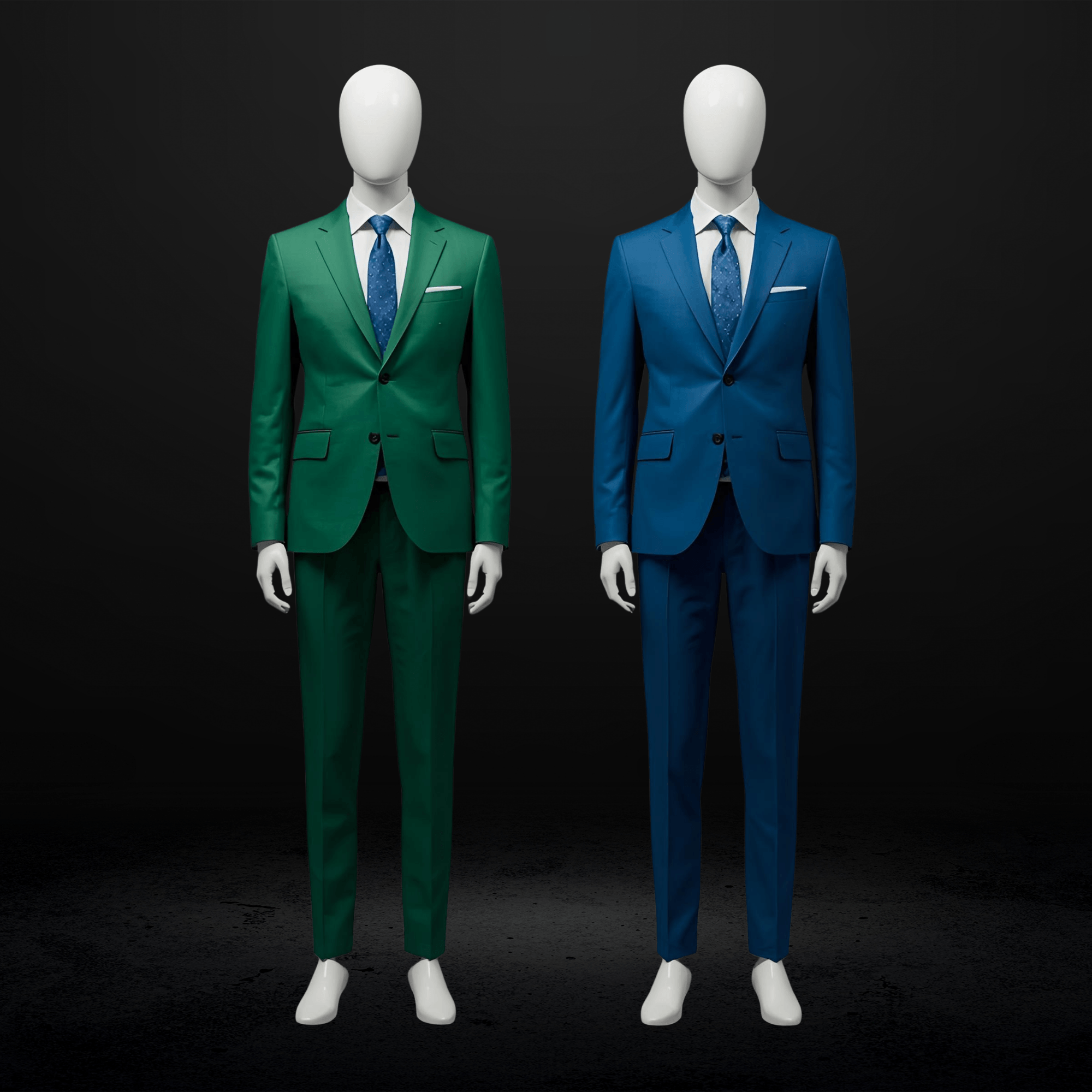
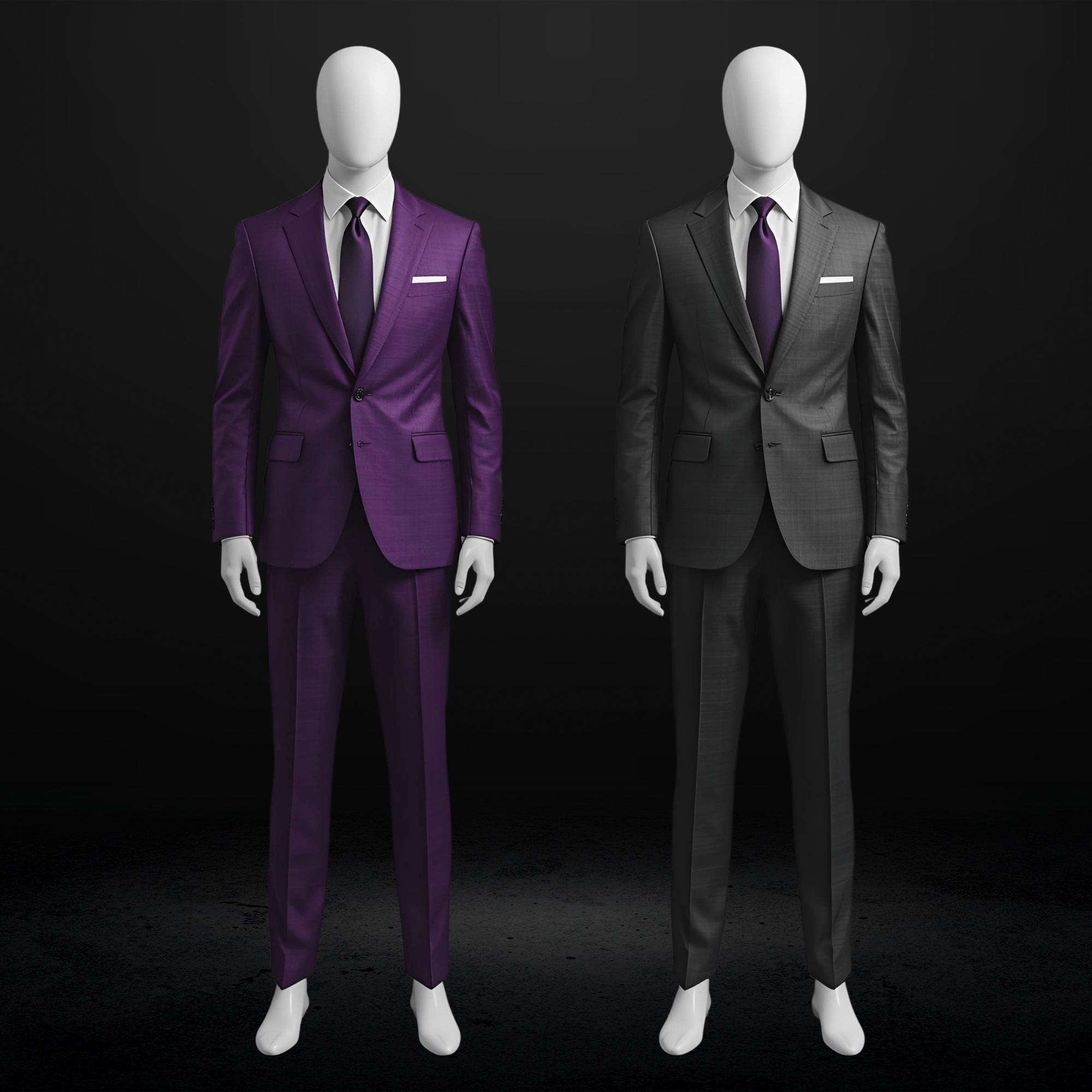
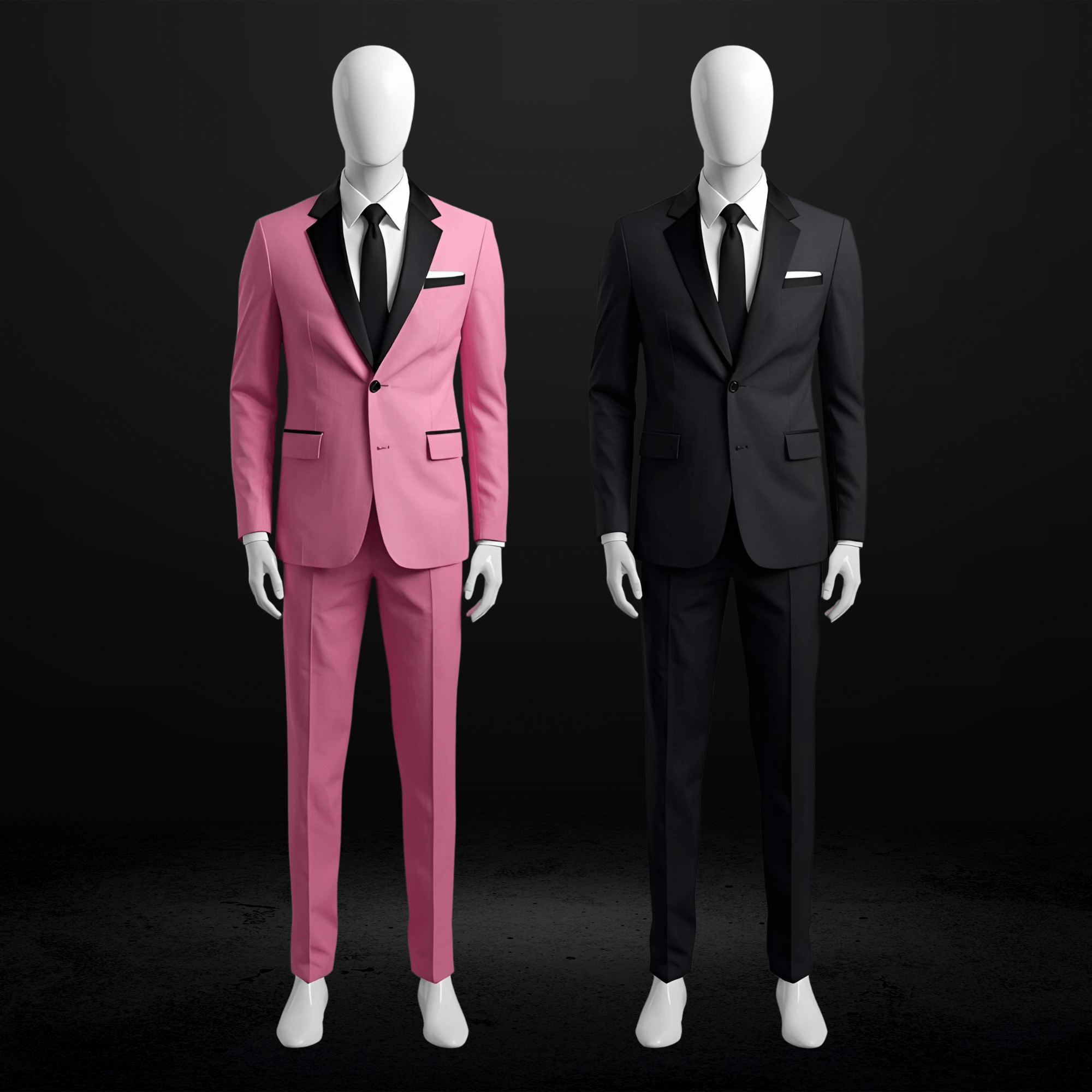
For wedding parties, the groomsmen typically wear the same fabric, color, and style, while the groom is differentiated through subtle design variations. A different lapel, a richer fabric, a unique accessory. The group reads as visually cohesive, but the groom stands out as the focal point. The tailor helps plan these distinctions during the group appointment.
For corporate teams, the goal is professional consistency. Same color family, same level of formality, same construction quality. But each suit is individually constructed to each person’s measurements. The team looks unified, but every person is wearing a suit that fits their specific body rather than an off-the-rack approximation.
In both cases, the outcome is a group that looks intentionally put together without looking like they are wearing a costume.
Common Questions About Group Suit Fittings
Q: How long does a group fitting appointment take?
Typically 2 to 3 hours for a group of 4 to 6 people. Each person’s measurement session takes about 30 to 45 minutes. The tailor works through the group efficiently when everyone is in the same location. Style and coordination decisions happen alongside the individual measurements, so the process moves faster than you might expect.
Q: How far in advance should we book a group fitting?
For weddings, book the consultation as early as possible. The group fitting should happen 4 to 6 months before the wedding date to allow comfortable production time. For corporate events, 8 to 10 weeks ahead is ideal. The earlier you start, the more scheduling flexibility you have.
Q: What if some groomsmen live out of town?
The group fitting works best when the group assembles in one location. For those who cannot attend, The Suit Doctor can advise on the best approach to coordinate their measurements separately. Getting as many people together in one session produces the most consistent results.
Q: Can the tailor come to our venue or rehearsal space?
Yes. The Suit Doctor brings everything to your location: measurement tools, fabric samples, style guides. Home, office, hotel, wedding venue, and rehearsal spaces all work.
Q: Is each person measured individually?
Every person is measured individually with 18 to 30+ precise body measurements. Custom made-to-measure suits are built to each person’s specific proportions, not a shared size. The group has a unified look, but each suit is individually constructed.
Q: Do groomsmen get the same exact suit as the groom?
Usually not. The groom is typically set apart by a subtle variation: a different lapel style, a finer fabric, or a unique accessory. This marks him clearly as the groom while keeping the party visually connected. The tailor helps guide these decisions during the group appointment.
Q: What is the minimum group size for a group fitting?
There is no strict minimum. The Suit Doctor works with groups of all sizes, from a groom and two groomsmen to larger corporate teams of ten or more.
Q: How do payments work for groomsmen?
The groom or coordinator typically manages the overall order and coordination. Individual groomsmen may handle their own costs depending on the arrangement. The Suit Doctor can advise on the most practical structure for your group.
Key Takeaways
Coordination is the real challenge. Group suit fittings are harder than solo fittings because of scheduling, out-of-town logistics, measurement inconsistency, and style drift. The mobile group model solves all four at once.
One appointment replaces weeks of logistics. A single tailor, a single location, and a single session captures measurements for the entire group. Style and coordination decisions are finalized together in real time.
Consistency comes from the same hands. When one professional measures every person using the same tools and methods, sizing discrepancies disappear. That consistency shows in the final product.
Wedding parties and corporate teams both benefit. The process is identical. The purpose differs (celebration vs. professional authority), but the coordination advantage is the same.
Coordinated, not uniform. The goal is visual coherence, not matching costumes. Every person gets an individually constructed suit that fits their body while the group looks intentionally put together.
Start early. For weddings, 6 months out is ideal; 3 to 4 months is the safe minimum. For corporate events, 8 to 10 weeks gives comfortable lead time.
Ready to Get Your Group Fitted?
You now understand why group suit coordination is harder than it sounds and exactly how a mobile group fitting turns a multi-week logistics problem into one organized appointment.
The Suit Doctor brings the complete group fitting experience to your location across the Kansas City area. Here is what that includes:
One tailor who measures every person in the group individually. Style, fabric, and accessory coordination finalized together in the same session. A single point of contact managing the entire order and timeline. Custom made-to-measure suits built to each person’s exact measurements. Delivery coordinated for your event date.
Whether you are a groom outfitting your wedding party or a team lead preparing for a major conference, this is how group suit fittings should work.
Visit thesuitdoctor.com to learn more, or go to the contact page to book your group fitting consultation. You can also explore wedding and groomsmen suits in Kansas City to see what The Suit Doctor offers for wedding parties.
The Suit Doctor | Custom and Made-to-Measure Suits for Men Who Take Their Look Seriously.