Walk into any custom suit consultation without a working knowledge of fabric, and you will end up choosing based on color and price alone. Those two factors matter, but they are not what determines whether a suit holds up through three meetings, a lunch, and a flight home. Fabric is.
This guide explains every business suit fabric category in plain language: what each one is made of, how it feels and performs, what it costs you in durability and care, and exactly which Kansas City season or occasion it belongs to. By the end, you will know what you are looking at when a clothier pulls a swatch off the shelf and hands it to you.
TLDR: For most Kansas City professionals, worsted wool is the right answer for a primary business suit. It is breathable, durable, wrinkle-resistant, and appropriate year-round when you choose the right weight. Every other fabric has a specific role. Knowing which role each plays is what separates a functional wardrobe from an expensive one.
Why Fabric Is the Most Important Decision You Make
Most men spend more time choosing suit color than suit fabric. This is backwards. Color is visible from across the room. Fabric determines how the suit feels at 4 PM on a hot day, whether it wrinkles during a two-hour drive, how it photographs under office lighting, and whether it still looks presentable after two years of regular wear.
A garment built to your exact measurements will always look better than one that is not. But measurements determine the shape. Fabric determines the character, the performance, and the longevity.
There are three variables in any fabric that work together:
Fiber content is what the yarn is made from: wool, linen, cotton, silk, synthetic, or a blend. Fiber content determines breathability, hand feel, and how the fabric interacts with your body temperature.
Weave is how the yarn is interlaced to form cloth. Two fabrics can be made from identical wool but feel and behave completely differently based on their weave. Weave determines drape, surface texture, sheen, and wrinkle resistance.
Weight, measured in grams per square meter (GSM), determines warmth, structure, and seasonal appropriateness. A 200 GSM fabric is a lightweight summer cloth. A 380 GSM fabric is a structured winter weight.
Understanding all three is what allows you to make a genuinely informed choice instead of guessing.
The Core Business Suit Fabrics
Wool: The Foundation of Every Professional Wardrobe
Wool is the gold standard for business suits, and there is a reason it has held that position for centuries. No other fabric combines breathability, temperature regulation, wrinkle recovery, and durability in the same package.
Wool fibers have a natural crimp structure that creates tiny air pockets, which insulate in cold weather and wick moisture away from the skin in warm weather. This is why a quality wool suit is genuinely comfortable across seasons in a way that synthetic fabrics cannot replicate.
Worsted wool is the specific type used in the vast majority of business suits. The distinction matters. Worsted wool is made from long-staple fibers that are combed straight before spinning, producing a smooth, tight, dense yarn. The result is a fabric with a clean, matte surface, excellent drape, and strong resistance to pilling.
Woolen (non-worsted) wool, by contrast, uses shorter fibers that are not combed straight. It produces softer, fuzzier fabrics like flannel and tweed. Those are excellent fabrics for specific uses, but they are not typical business suit materials.
The Super number system tells you how fine the wool fibers are. Super 100s uses fibers up to 18.75 microns in diameter. Super 120s uses fibers up to 17.75 microns. The finer the fiber, the softer the hand and the better the drape, but also the less durable the fabric under daily wear. For a suit worn three to five days per week, Super 100s to Super 120s is the practical sweet spot. Super 130s to Super 150s delivers a noticeable luxury feel and is ideal for suits worn on a lighter schedule or for high-stakes occasions.
High-twist wool is a variant worth knowing by name. It uses yarn that is twisted more tightly before weaving, producing a fabric that is noticeably more resilient, wrinkle-resistant, and durable than standard worsted. It is a preferred choice for frequent business travelers and professionals who need a suit that can handle a packed suitcase and come out looking presentable.
For a deeper look at fabric selection across the full custom suit process, The Suit Doctor’s custom suit fabrics guide covers Super numbers, weight, weave, and mill origin in detail.
Linen: Kansas City Summer’s Best Tool
Linen is made from flax plant fibers and is the most breathable suiting fabric available. Its porous, open structure allows air to circulate freely, which is why it has been the hot-climate suiting fabric of choice for centuries.
For a Kansas City professional facing a June through August outdoor event, client lunch, or outdoor ceremony, linen offers something no wool can match in that heat: genuine comfort.
The trade-off is wrinkles. Linen wrinkles readily and does not recover as well as wool. A linen suit at the start of a morning looks crisp and elegant. By midday, it has taken on a relaxed, lived-in quality that is part of its character in casual contexts but is less suited to formal boardroom settings.
Where linen belongs in a business wardrobe:
- Outdoor client events and summer receptions
- Casual Friday and summer dress environments
- Kansas City events from June through August where comfort outweighs crease-resistance
- Destination meetings, outdoor conferences, and travel days in warm weather
Where linen does not belong:
- Full-day office wear requiring a polished appearance through multiple meetings
- Formal presentations where appearance needs to hold through a long day
- Autumn through spring, where the open weave provides inadequate warmth
A linen-silk blend addresses some of the wrinkle concern while retaining the breathability. If you want linen for a summer wedding or event where you will be seated for extended periods, a linen blend is worth the conversation.
Cotton: The Versatile Middle Ground
Cotton suits occupy the space between wool’s year-round versatility and linen’s extreme breathability. Cotton is more structured than linen, wrinkles less readily, and provides a crisp, clean appearance that works well in smart-casual and business-casual settings.
Cotton breathes well and feels comfortable against the skin, making it a solid spring and summer choice. However, it does not breathe as effectively as linen in extreme heat, and it lacks the natural temperature regulation and wrinkle recovery of wool.
Where cotton works:
- Business-casual environments with a relaxed dress standard
- Spring and early fall in Kansas City’s moderate temperatures
- Weekend client events and smart-casual occasions
- Professionals who prefer a slightly softer, less formal appearance than wool
Where cotton underperforms:
- Humid Kansas City summers where you need maximum breathability
- Formal business or client settings where sharper structure is expected
- Heavy-wear schedules where wool’s resilience is necessary
A cotton-linen blend is a particularly effective summer option, combining cotton’s structure with linen’s breathability at a price point that makes it accessible for a second suit in a working wardrobe.
Synthetic and Blended Fabrics: The Honest Assessment
The business suit market is full of suits labeled as “modern fabric,” “performance wool,” or “stretch comfort.” Many of these are wool-polyester blends, sometimes marketed heavily on their technical properties. Here is a straightforward breakdown of what you are actually getting.
Pure polyester is the least desirable material for a business suit. It does not breathe, it traps heat and moisture, and it develops a sheen over time that signals cheap construction. Under office lighting and especially under event lighting or flash photography, polyester reads as inexpensive. It is appropriate for uniforms or situations where durability and machine-washability outweigh appearance.
Wool-polyester blends are more nuanced. A blend of 80 percent wool and 20 percent polyester retains most of wool’s breathability and drape while improving crease resistance and adding durability. This is a reasonable practical choice for professionals who need a hard-wearing suit at a lower price point than pure wool. However, blends above 30 to 40 percent polyester begin to lose wool’s key benefits: the breathability degrades, the drape becomes less elegant, and the fabric can develop a surface sheen that reads as synthetic under certain lighting.
The practical rule: If natural fiber content is below 70 percent, you are primarily buying a synthetic suit with some wool added. At 80 percent wool or above, the blend still performs as a quality business fabric. For custom and made-to-measure suits, pure wool or high-wool-content fabrics are the standard recommendation because you are investing in a garment that needs to perform and look its best for years.
Specialty Fabrics: Flannel, Tweed, and Cashmere Blends
These are not everyday business suit fabrics. They serve specific purposes in a professional wardrobe, particularly in Kansas City winters.
Flannel is a woolen (non-worsted) fabric with a soft, brushed surface. It is warm, structured, and drapes beautifully, making it an excellent choice for fall and winter suits. Flannel suits in charcoal or mid-gray have a long history in formal business dress and convey quiet authority. The trade-off compared to worsted is that flannel has less surface sharpness and is heavier, which makes it uncomfortable in warmer months.
Tweed is a coarse, textured woven fabric typically made from unprocessed wool. It is the heaviest end of the suiting spectrum and belongs firmly in winter and outdoor settings: client farm visits, country club events, or cold-weather casual business occasions. It is not appropriate for a standard office environment or formal meeting setting.
Cashmere and cashmere blends use fiber from cashmere goats, which is significantly softer and lighter than standard wool. A cashmere-wool blend suit has an exceptionally refined hand and elegant drape. It is most appropriate for high-end business occasions where comfort and luxury are the priority. Pure cashmere suits are extremely delicate and expensive to maintain. For most professionals, a cashmere-wool blend in a 20 to 30 percent cashmere ratio offers the softness benefit without the fragility of pure cashmere.
Weave: The Variable Most People Overlook
Fabric weave affects how a suit looks and wears as significantly as fiber content. Two suits in identical wool can feel and behave completely differently based on their weave. Here are the weaves you will encounter most often in business suiting:
Plain weave: The simplest and most common weave structure, created by passing one thread alternately over and under another in a right-angle grid. The result is a firm, durable cloth with a clean, even surface. Plain weave fabrics are year-round workhorses. They hold their shape well, resist wrinkles better than more open weaves, and photograph cleanly.
Twill weave: Characterized by a diagonal rib pattern created by passing the weft thread over two or more warp threads. Twill is the most widely used weave in suiting. It produces a fabric that is softer and more fluid than plain weave, with better drape and slightly more visual texture. Gabardine is a tightly woven twill with a smooth, slightly formal surface that is particularly well-suited to sharp business suits.
Herringbone: A mirrored twill that creates a distinctive V-shaped pattern in the weave. In monochromatic versions (same color yarn in two slightly different tones), the pattern is subtle and highly appropriate for business settings. In more pronounced two-color versions, herringbone becomes a statement fabric better suited to sport coats. The pattern adds visual interest without departing from professional territory.
Birdseye: A small, repetitive dot pattern created by weaving a secondary color thread into a base cloth. The dots resemble small eyes when viewed up close. Birdseye is excellent for professionals who want a solid-looking suit at a distance but with subtle texture that holds up to closer inspection.
Hopsack: An open, basket-type weave that creates a porous structure ideal for warm weather. Hopsack suits are lighter and breathe better than plain or twill weaves, making them the recommended structure for spring and summer suits in Kansas City’s humid months.
Fresco: A high-twist open weave specifically engineered for hot weather. The tight twist of the yarn and porous weave structure creates a crisp, cool-dry hand that performs exceptionally well in heat and humidity. Fresco suits recover well from wrinkles and maintain a sharp appearance even in warm conditions.
Fabric Weight: The Kansas City Seasonal Guide
Fabric weight (GSM) is the variable that most directly determines how a suit feels in a given climate. For Kansas City professionals, this is a practical consideration because the city’s temperature range from January through August is significant.
Here is the full weight reference with Kansas City context:
| Weight Range | GSM | Kansas City Season | Best Use |
|---|---|---|---|
| Lightweight | 180–230 GSM | June–August | Summer events, outdoor meetings, travel in heat |
| Mid-weight | 240–290 GSM | March–May, September–November | Year-round business wear, the wardrobe foundation |
| Full weight | 300–350 GSM | October–February | Fall and winter office wear, cold-weather events |
| Heavyweight | 360 GSM and up | November–February | Flannel, tweed, and cold-weather specialty fabrics |
A mid-weight worsted wool at 260 to 290 GSM is the most versatile single fabric weight for Kansas City professionals. It is light enough to wear comfortably in a temperature-controlled office from late spring through early fall, and structured enough to handle fall and winter weather with a layer underneath.
If you are building a two-suit wardrobe on a deliberate plan, a mid-weight worsted in a classic color handles three seasons, and a lightweight tropical wool or fresco at 200 to 230 GSM covers the June through August period.
The Kansas City Professional’s Fabric Decision Guide
Kansas City’s climate creates specific challenges for suit fabric selection that a generic guide cannot address. Here is the practical breakdown by professional situation:
For the daily wearer (three to five days per week): Choose Super 100s to Super 120s worsted wool at 260 to 300 GSM. This weight and fiber fineness balance durability and appearance across most of the year. Focus on weave: plain weave for maximum durability, twill for slightly more visual texture. Avoid anything above Super 130s for this use case; the finer fibers will show wear faster than the schedule demands.
For the occasional wearer (once or twice per week): Super 120s to Super 140s opens up as a practical range. At this frequency, durability is less of a concern, and the softer hand and better drape of a higher Super number delivers noticeable benefits in comfort and appearance. Focus on fabric weight matching your primary season of use.
For Kansas City summer specifically: Prioritize lightweight construction (180 to 230 GSM) over Super number. A Super 110s at 200 GSM will keep you dramatically more comfortable in August than a Super 150s at 280 GSM. Look for tropical-weight worsted wool, hopsack weave, or fresco construction. Linen or linen-silk blends are the appropriate choice for outdoor and casual events.
For client meetings and high-stakes occasions: Super 120s to Super 150s in a clean twill or gabardine weave. The visual refinement of a finer wool fiber is most apparent under event lighting and in close conversation. A mid-weight fabric in this range at 240 to 270 GSM covers most business settings across most of the year.
For travel and commuting: High-twist worsted wool is the clear choice. The tighter twist makes the fabric more resilient to the compression and friction of travel, and it recovers from packing significantly better than standard worsted or higher Super number fabrics. A suit that looks good after an overnight bag and a cab ride is more valuable than a fabric that looks perfect on a hanger.
The Suit Doctor works with professionals to match fabric to lifestyle, occasion, and Kansas City’s specific climate. The Kansas City custom business suits page is the right starting point to see how the consultation works.
Natural vs. Synthetic: The Final Word
The question of natural versus synthetic or blended fabrics comes up in almost every consultation, usually because synthetic options carry lower prices and “performance” marketing claims. Here is the honest breakdown.
Natural fibers (wool, linen, cotton) breathe. They respond to your body temperature. They do not trap moisture the way synthetics do. They develop a patina over time that makes them look better with age rather than worse. They require more careful maintenance, specifically dry cleaning rather than machine washing, but that care schedule is manageable for most professionals.
Synthetic and high-synthetic blends are more resistant to creasing and machine-washable, which has genuine value in specific contexts. But they do not breathe effectively, they can look synthetic under certain lighting, and they do not drape with the same natural movement as high-quality wool.
For custom and made-to-measure suits, the investment in construction justifies investing in natural fiber fabrics. You are building a garment to last years. Pairing skilled construction with a synthetic or heavily blended fabric undercuts the value of that investment. The fabric is what you will feel every day and what will show the most clearly in photographs over the years.
FAQ: Business Suit Fabrics
Q: What is the best all-around suit fabric for a Kansas City professional?
Mid-weight worsted wool at 260 to 290 GSM in a plain or twill weave. It handles the majority of Kansas City’s climate across most of the year, resists wrinkles effectively, and holds its shape through heavy wear. If you own one business suit, this is the fabric it should be made from.
Q: What fabric should I choose for a summer business suit in Kansas City?
Lightweight tropical-weight worsted wool at 180 to 230 GSM, or a hopsack or fresco weave in the same weight range. Prioritize fabric weight over Super number for summer. A lighter, more open weave will keep you significantly more comfortable in Kansas City’s humid July and August climate than a heavier fabric with a higher Super rating.
Q: Is linen appropriate for business meetings?
Linen is appropriate for casual business environments, outdoor events, and smart-casual occasions. It is not ideal for formal boardroom settings or full-day schedules where maintaining a polished appearance through multiple situations is required. Linen wrinkles significantly with wear, which works well in relaxed contexts and less well in structured professional settings.
Q: What is the difference between worsted and woolen fabric?
Worsted wool uses long-staple fibers combed parallel before spinning, producing a smooth, tight, durable yarn. The resulting fabric is clean, matte, and structured, which is why it is standard in business suiting. Woolen fabrics use shorter, uncarded fibers producing softer, fuzzier, warmer cloth like flannel and tweed. Both are wool. The weaving process produces entirely different fabrics.
Q: Are stretch or performance fabrics worth it for a custom suit?
Stretch fabrics (typically achieved through elastane blends) can add comfort for specific use cases like frequent air travel or physically active professionals. For a custom and made-to-measure suit built to your exact measurements, a well-fitted pure or high-wool-content fabric will move with you naturally. The primary argument for stretch in custom suiting is less compelling than in off-the-rack, where fit compromises create movement restrictions that stretch compensates for.
Q: What fabric is best for a suit that needs to travel well?
High-twist worsted wool is the top recommendation for travel. The extra twist in the yarn makes the fabric significantly more resilient to compression and friction, and it recovers from packing faster and more completely than standard worsted or fine Super number fabrics. A plain or twill weave in this construction at 260 to 290 GSM is the ideal travel suit fabric.
Q: How does fabric weight affect how long a suit lasts?
Heavier fabrics are generally more durable because the denser weave creates more fiber-to-fiber contact that resists breakdown from friction and repeated wear. However, weight should match the climate it will be worn in. A heavy wool suit worn in summer heat will be uncomfortable and will be worn less, reducing its practical lifespan regardless of the fabric’s durability. Match weight to season and frequency, then durability follows naturally.
Q: What should I tell my tailor when selecting fabric?
Come prepared with four pieces of information: how often you will wear the suit per week, the primary season or occasion it will serve, your climate (in Kansas City’s case, hot summers and cold winters with significant variation), and whether you tend to run warm or cold. A good clothier takes those four inputs and narrows the fabric selection to the options that genuinely fit your situation.
Key Takeaways
- Worsted wool is the foundation. For the primary business suit, it is the most reliable, versatile, and professionally appropriate fabric available. Every other choice is supplemental.
- Three variables work together: fiber, weave, and weight. Choosing fabric on color alone ignores the factors that determine performance.
- Super numbers measure fineness, not quality. Super 100s to Super 120s is the right range for daily wear. Higher Super numbers deliver softer hand and better drape for suits worn on a lighter schedule.
- GSM determines season. 180 to 230 GSM for Kansas City summers. 250 to 290 GSM for year-round wear. 300 GSM and above for fall and winter.
- Weave determines surface and drape. Plain weave for maximum durability. Twill for softness and drape. Hopsack and fresco for warm-weather breathability.
- Linen for summer events, not daily business wear. The wrinkle trade-off is real. Use it where it belongs and it works beautifully.
- Avoid high-synthetic blends in custom suits. The construction investment deserves natural fiber fabric. Anything below 70 percent natural fiber content performs primarily as a synthetic.
- High-twist wool for travelers. If a suit will spend time in luggage, high-twist construction is the most important fabric specification you can request.
Choose Your Fabric in Person
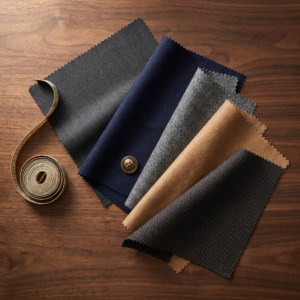
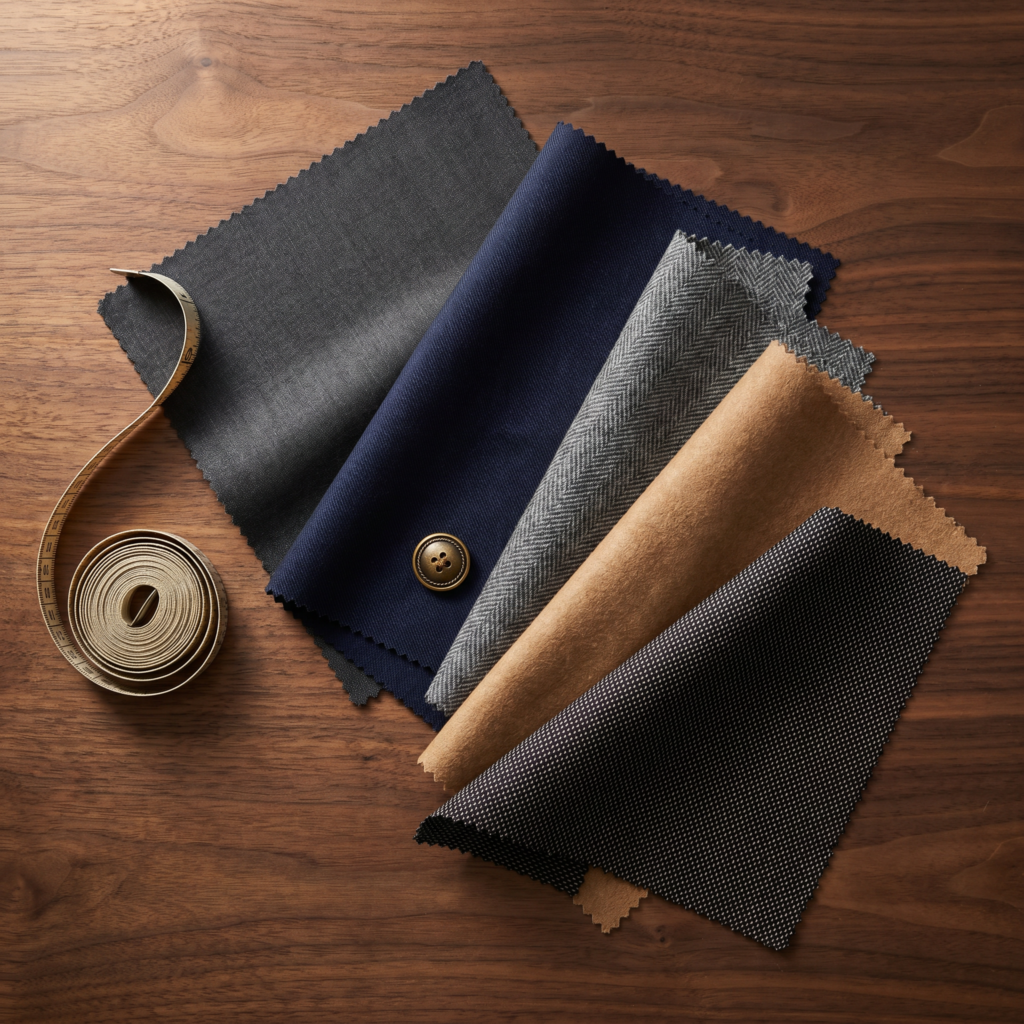
Reading about fabrics and holding them are two different experiences. No description fully prepares you for how a tropical-weight fresco feels against your hand compared to a mid-weight worsted, or how a high-twist cloth drapes differently from a standard one. The only way to make a genuinely informed choice is to handle both.
The Suit Doctor works with Kansas City professionals to match fabric to lifestyle, schedule, occasion, and season. Every consultation includes time with real swatches from each option so every choice is made with full information.
The Suit Doctor offers:
- Custom and made-to-measure suits in a range of wool grades, weaves, and weights
- Honest guidance on matching fabric to wear frequency, season, and occasion
- In-person swatch consultations so the choice is made by touch, not just description
- Full suit wardrobing for professionals building a complete rotation
- A clear, transparent process from fabric selection through final fitting
Ready to choose your fabric in person? Schedule your Kansas City custom suit consultation with The Suit Doctor.
The Suit Doctor | Custom and Made-to-Measure Suits for Kansas City Professionals Who Take Their Wardrobe Seriously.