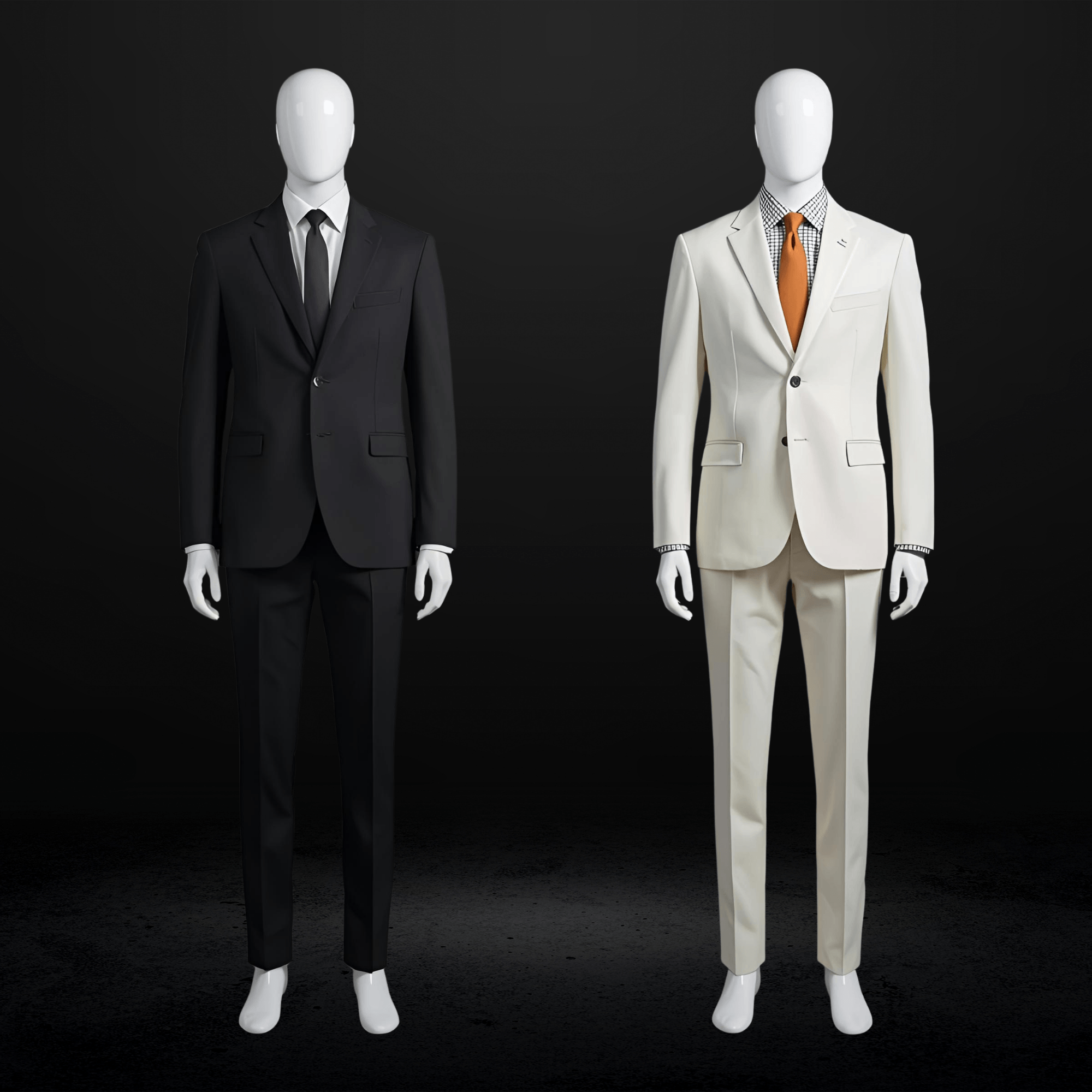
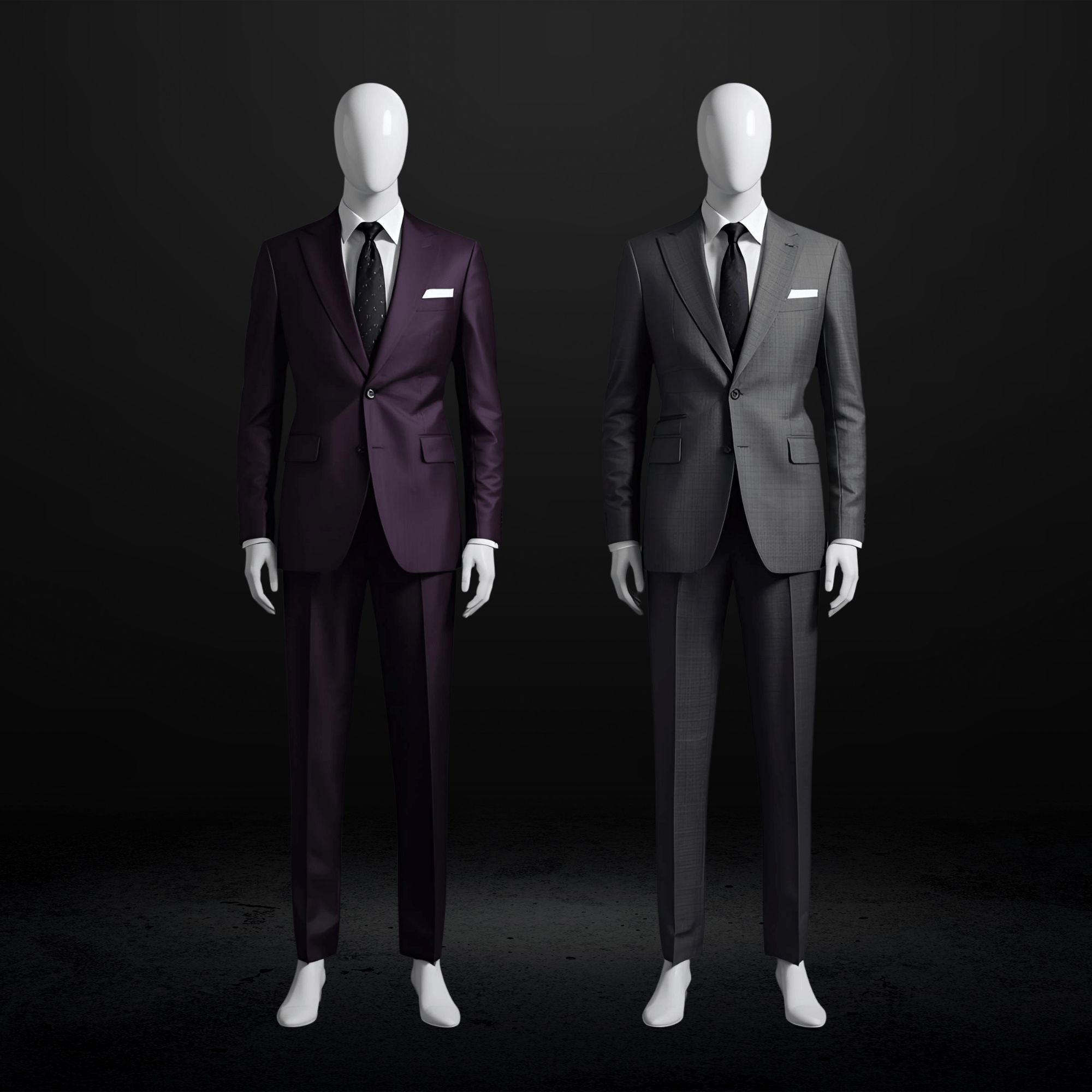
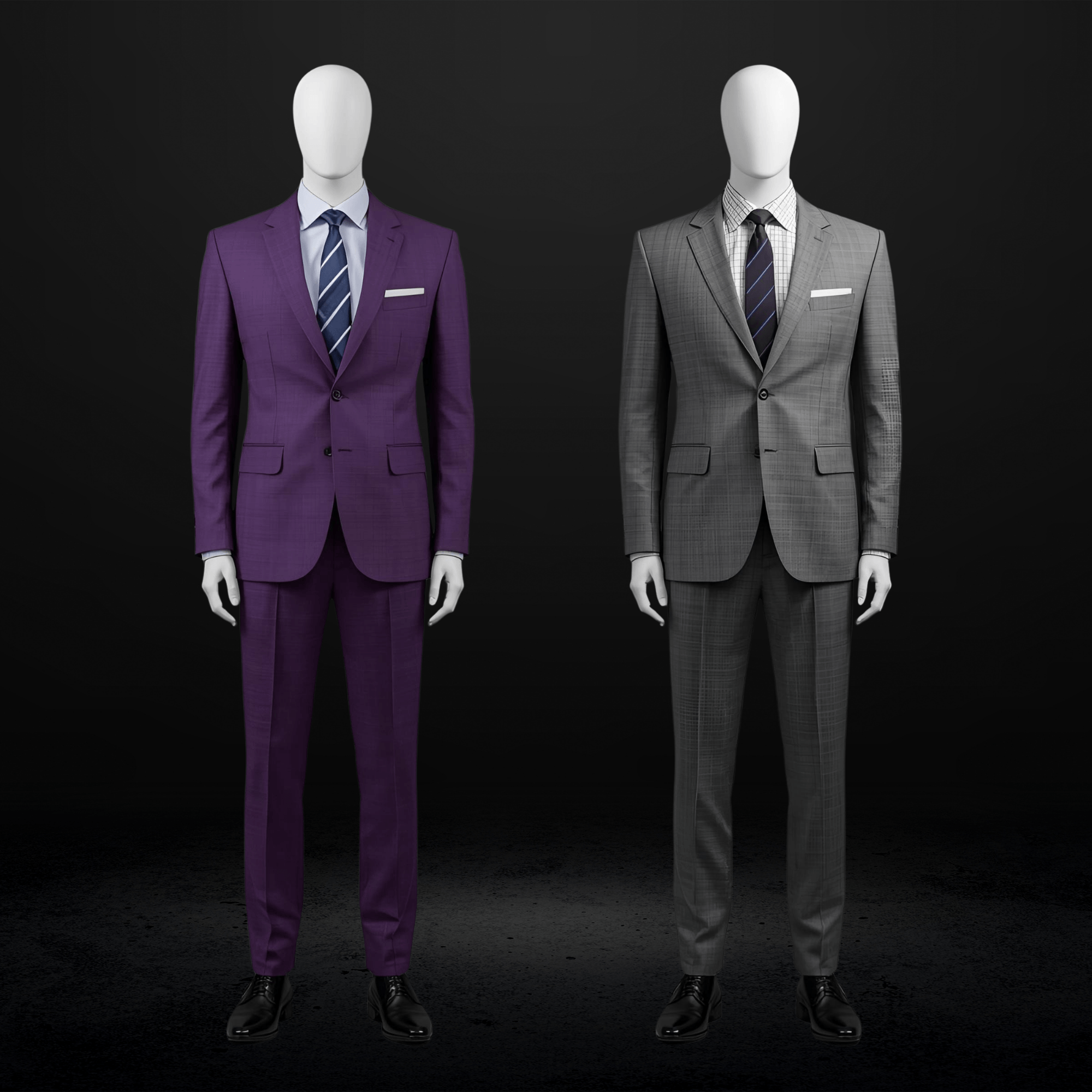
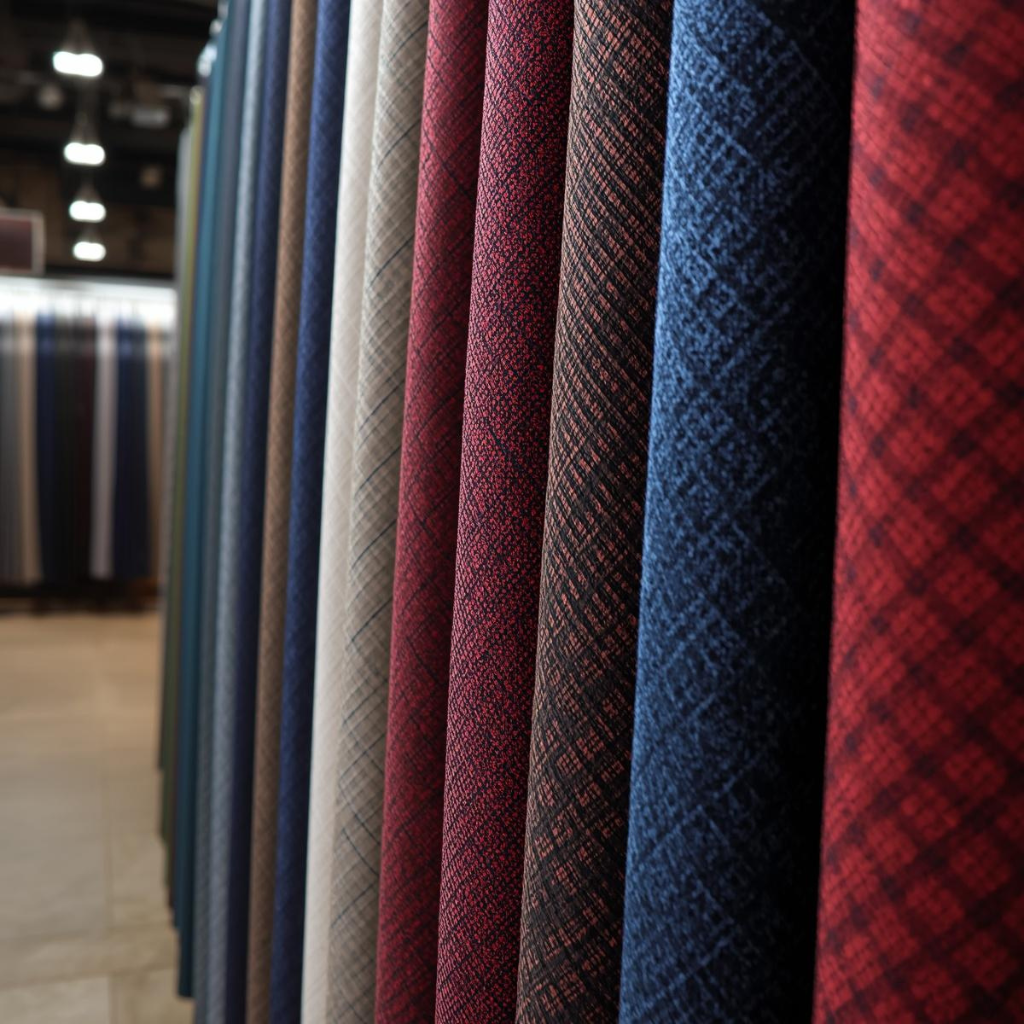
Choosing the right suit fabric is the single most important decision you will make when ordering a custom suit. It determines how your suit looks, how it feels on your body, how long it lasts, and whether it works for your climate and lifestyle. This guide breaks down everything you need to know about custom suit fabrics so you can walk into your consultation with confidence and clarity.
TLDR: The fabric you choose matters more than almost any other decision in a custom suit. Super 100s to 120s worsted wool is the sweet spot for most men. Fabric weight (measured in GSM) controls seasonal comfort, and the weave affects drape and texture. Keep reading for the full breakdown of every fabric type, weave, and use case.
Why Fabric Is the Most Important Decision in a Custom Suit
Picture this. You walk into a consultation, flip open a book of fabric swatches, and suddenly you are staring at dozens of options you have never heard of. Super 110s, Super 150s, tropical weight, twill weave, hopsack. The terminology sounds technical because it is. But once you understand a few core concepts, the entire system clicks into place.
Fabric is where your suit starts. Before a single measurement is taken, the fabric sets the foundation. It controls the suit’s weight on your shoulders, dictates whether you will be comfortable in July or miserable by noon, and determines whether that suit still looks sharp after 50 wears or starts pilling after 5.
A perfectly tailored suit in the wrong fabric will disappoint you. But the right fabric, cut and fitted to your body, becomes something you reach for again and again. This guide covers the Super number system, fabric weight and seasonality, the major fabric types, weave structures, care instructions, and real-world recommendations based on how you actually plan to wear your suit.
What Do Super Numbers Mean on Custom Suit Fabrics?
If you have ever shopped for a quality suit, you have probably seen labels that say “Super 100s” or “Super 120s.” These numbers look important, and they are, but they are often misunderstood.
The Super number is a standardized grading system for wool fabric quality. It was formalized by the International Wool Textile Organisation (IWTO), the global authority for how wool fiber quality is tested and certified globally. The “Super” designation can be used on fabrics made from pure new wool or noble fiber blends (wool with cashmere, silk, or mohair) as long as the blend contains at least 45% wool. It cannot be used on wool-polyester or any synthetic blends.
How the Super Number System Works
The number itself refers to the maximum diameter of each individual wool fiber, measured in microns. One micron equals one-millionth of a meter. For perspective, a single human hair averages about 50 to 100 microns in diameter. Fine suit wool starts well below that.
Here is how the most common Super numbers translate to fiber fineness:
| Super Number | Max Fiber Diameter (Microns) | General Character |
|---|---|---|
| Super 80s | 19.75 µm | Rugged, durable, excellent for heavy daily wear |
| Super 100s | 18.75 µm | Balanced comfort and resilience, the daily-wear sweet spot |
| Super 110s | 18.25 µm | Softer, more refined, lighter drape |
| Super 120s | 17.75 µm | Enhanced softness, ideal for client-facing roles |
| Super 130s | 17.25 µm | Very fine and luxurious, requires more care |
| Super 150s | 16.25 µm | Premium smoothness, elevated occasions |
| Super 180s+ | 14.75 µm and finer | Ultimate refinement, ceremonial and special-occasion only |
The higher the Super number, the finer (thinner) the fiber. Finer fibers produce softer, smoother fabric with a more luxurious hand-feel. But there is a trade-off: finer fibers are also more delicate and less resistant to daily wear and tear.
The Sweet Spot Most Experts Recommend
A higher Super number does not automatically mean a better suit for your life. Super 80s through 130s represent the most practical range for regular wear. Within that window, you get a suit that feels refined enough for a boardroom but tough enough to survive a full workweek.
Industry experts consistently point to Super 110s to 120s as the ideal balance: noticeably softer than Super 100s while maintaining strong durability and wrinkle recovery. Super 150s and above feel incredible but are best reserved for special occasions and suits you will not wear five days a week.
The bottom line: a perfectly fitted suit in Super 110s will outperform a poorly fitted suit in Super 200s every single time. If you are not sure whether your current suits actually fit correctly, our Kansas City guide to the signs your suit does not fit is worth a read.
Not sure which Super number fits your lifestyle? The Suit Doctor team walks every client through fabric options during your consultation, so you never have to decode the jargon on your own.
Super Numbers Are Not Thread Count
Super numbers are not the same as thread count. The Super number measures fiber diameter (how thin each strand of wool is). Thread count measures weave density (how many threads per square inch). They are completely different metrics, even though “Super 100s” sounds similar to bed sheet terminology.
How to Read Custom Suit Fabric Weight for Every Season
Once you know your Super number, the next question is weight. Fabric weight is measured in grams per square meter (GSM) or ounces per yard. It is one of the biggest factors in how comfortable your suit feels in different weather.
Think of it this way: the Super number tells you the quality of the wool. The weight tells you when you should wear it.
Seasonal Weight Guide
| Weight Category | GSM Range | Best Season | Common Fabrics |
|---|---|---|---|
| Lightweight | Under 200 GSM | Summer | Linen, tropical wool, fresco |
| Mid-weight | 200 to 280 GSM | Spring and fall | Worsted wool, cotton, light flannel |
| Heavyweight | Over 280 GSM | Winter | Tweed, heavy flannel, cashmere blends |
A more detailed breakdown: 200 to 250 GSM works best for summer and warm climates. The 250 to 300 GSM range covers three seasons and is the most versatile. Above 300 GSM is designed for winter and cold climates.
The Four-Season Sweet Spot
If you could only own one suit, aim for 280 to 300 GSM. A 280 GSM worsted twill provides year-round versatility with a softer hand. A 300 GSM plain weave offers a crisper drape with slightly more breathability. For Kansas City, where summers get hot and winters get genuinely cold, owning at least two weights is smart: one in the 220 to 250 GSM range for the warm months, and one in the 280 to 320 GSM range for the rest of the year.
The Main Custom Suit Fabric Types: A Practical Breakdown
Not all suit fabrics are created equal. Each type has strengths, weaknesses, and ideal use cases. Here is an honest look at the options you will encounter.
Wool: The Foundation of Quality Suiting
Wool is the undisputed foundation of quality suiting. No other natural fiber matches its combination of versatility, breathability, durability, and drape. It stretches and recovers naturally, breathes in summer, insulates in winter, and a single wool fiber can bend over 20,000 times without breaking.
The Super number system applies specifically to worsted wool, the most common type used in suiting. But wool comes in several varieties:
Worsted wool is the standard for business suits. Fibers are combed to lie parallel, creating a smooth, sleek surface.
Flannel uses brushed fibers to create a soft, thick texture with a matte finish. Perfect for fall and winter suits, and it reads slightly more relaxed than worsted.
Tweed is textured, sturdy, and distinctly British. It lives in the 340 to 400 GSM range and works for country weddings, casual winter blazers, and outdoor events.
Tropical weight wool is engineered for warmer weather. At 7 to 9 ounces, it maintains wool’s desirable properties while cutting weight significantly.
Merino Wool: The Gold Standard
Merino wool deserves its own mention because it outperforms standard wool across nearly every measure. Merino fibers measure 15 to 22 microns, significantly finer than regular wool at 25 to 35 microns, producing a softer, smoother fabric.
Beyond softness, merino can absorb up to 30% of its weight in moisture without feeling damp. It naturally regulates temperature in both directions, resists odor-causing bacteria, and offers exceptional wrinkle resistance. These are not marketing claims but measurable performance properties backed by wool fiber research. Industry experts regard merino as the top-performing suit fabric across every key property: wrinkle resistance, breathability, moisture wicking, odor resistance, and durability.
Linen
Linen is made from flax fibers and is one of the most popular summer suit fabrics. It is extremely breathable, lightweight, and moisture-wicking, making it one of the coolest fabrics you can wear when temperatures climb.
The trade-off? Linen wrinkles. A lot. But those creases are widely considered part of the charm, projecting an effortless, relaxed confidence rather than a stiff corporate look. Linen works best for casual summer suits, destination weddings, and outdoor warm-weather events. A wool-linen blend tempers the creasing while preserving breathability, making it excellent for spring weddings and business-casual settings.
Cotton
Cotton produces a crisp, matte suit with a slightly more casual attitude than worsted wool. It breathes well and absorbs moisture, making it a solid summer option for business-casual environments. The downside is less natural elasticity than wool, meaning elbows and knees may show wear sooner. Cotton also lacks wool’s natural drape. Cotton suits work best in business-casual wardrobes and transitional spring and fall weather.
Cashmere and Wool-Cashmere Blends
Pure cashmere is made from the fine undercoat of goats and feels extraordinary. But a pure cashmere suit is impractical for daily wear: it is delicate, expensive, and demands extra care. The smart move is a wool-cashmere blend (typically 85% wool, 15% cashmere), which delivers improved softness while retaining wool’s durability and structure. These blends are ideal for fall and winter formal events and luxury business settings.
Silk Blends
Silk is rarely used alone in suiting, but it transforms wool blends. In a wool-silk cloth, silk adds quiet elegance and a rich, luxurious feel. The resulting fabric photographs beautifully, making wool-silk blends outstanding for summer weddings, evening events, and occasions where you want your suit to catch the light.
Wool Blends With Synthetics
A wool-polyester blend reduces cost while improving wrinkle resistance. The rule: higher wool content means better comfort and drape; higher polyester content means better wrinkle resistance and lower price.
A small addition of elastane (1 to 3%) adds stretch and ease of movement, particularly useful for active professionals or long periods of sitting. The IWTO permits elastane inclusion while maintaining the Super designation.
Full Fabric Comparison: Custom Suit Fabrics at a Glance
The following table summarizes every major fabric type you will encounter when ordering a custom suit.
| Fabric | Weight Range | Seasonality | Formality | Wrinkle Resistance | Best Use Case |
|---|---|---|---|---|---|
| Worsted Wool (Super 100s to 120s) | 240 to 300 GSM | All seasons | High | Excellent | Daily business, year-round suit |
| Merino Wool | 220 to 270 GSM | All seasons | High | Excellent | Client meetings, galas, travel |
| Flannel | 300 to 380 GSM | Fall and winter | Medium-high | Good | Cold weather, country events |
| Tweed | 340 to 400 GSM | Fall and winter | Medium | Good | Country weddings, casual |
| Linen | 150 to 200 GSM | Summer | Casual to medium | Poor | Beach and destination weddings |
| Wool-Linen Blend | 200 to 240 GSM | Spring and summer | Medium | Good | Spring weddings, business casual |
| Cotton | 180 to 260 GSM | Spring and summer | Casual to medium | Fair | Business casual, smart casual |
| Wool-Cashmere Blend | 250 to 300 GSM | Fall and winter | High | Good | Formal events, luxury business |
| Wool-Silk Blend | 200 to 250 GSM | Spring and summer | High | Good | Weddings, evening events |
| Tropical Wool | 180 to 220 GSM | Summer | High | Good | Summer office, warm-climate business |
Use this table as a starting point. Your consultant can narrow the options further based on your specific lifestyle, climate, and how often you plan to wear the suit.
Weaves and Drape: Why They Matter as Much as the Fiber
Most fabric guides stop at fiber type and weight. But the weave dramatically affects how your suit looks and moves. There are three true weaves in textiles. Everything else is a variation built from these foundations.
The Three Core Weaves
Plain weave is the simplest structure: each thread passes alternately over and under in a basic criss-cross. The result is smooth, flat, crisp, lightweight, and breathable. In suiting, plain weave shows up in hopsack and some worsted wools. It works well for lightweight suits and summer jackets.
Twill weave is the most common and versatile suiting weave. Threads pass under and over multiple opposing threads in an alternating sequence, creating a visible diagonal rib pattern. Twill fabrics are soft, flexible, durable, and drape beautifully. They also hide wrinkles better than plain weave, making twill the go-to choice for suits that need to survive long meetings and travel. Gabardine, serge, sharkskin, and herringbone are all twill variations.
Satin weave uses longer thread “floats” to create a glossy, smooth finish. In suiting, satin weave appears on tuxedo lapels, dinner jackets, and formal evening wear.
Secondary Weaves Worth Knowing
Herringbone is a twill variation with a reversing V-shaped zigzag pattern. It adds texture without sacrificing versatility. Smaller scale reads refined; larger scale reads more casual.
Hopsack is a basket-like weave that is extremely breathable, resists creasing from sitting, and has a relaxed texture. It is one of the best weave choices for travel suits and warm-weather blazers.
How Weave Affects Drape
Drape describes how fabric hangs and moves under its own weight. Twill weaves generally drape better than plain weaves because of their longer thread “floats.” Finer yarns create more fluid drape, while open weaves allow more movement. This is why a fine worsted wool suit in a twill weave hangs so distinctly better than a synthetic suit at the same price point.
Best Custom Suit Fabric by Occasion
Knowing fabric types is one thing. Knowing which fabric to choose for your specific situation is another. Here are real-world recommendations based on the most common reasons people order custom suits.
Daily Business Wear
Choose: Super 100s to 120s worsted wool in navy or charcoal, 240 to 280 GSM, twill weave.
This combination is durable enough for five-day-a-week wear, refined enough for boardrooms and client meetings, and versatile enough to pair with everything in your wardrobe. Twill weave hides wrinkles from long meetings and commutes. For a deeper look at fabrics specifically for the office, see our Kansas City business suit fabric breakdown. Avoid Super 140s and above for daily wear. It is simply too delicate for everyday use.
David, a sales manager here in Kansas City, walked into his first Kansas City business suit consultation knowing only that a friend told him to ask for “Super 120s Italian wool.” During his fitting, he learned that a Super 110s in a 270 GSM worsted twill would hold up beautifully five days a week while feeling more refined than his off-the-rack suits.
Summer and Outdoor Weddings
Choose: Linen, wool-linen blend, or lightweight wool-silk blend under 220 GSM.
Breathability is the priority when you are standing outside in June. A wool-linen blend at around 210 GSM is the ideal middle ground: breathable enough for outdoor heat, structured enough to look polished in every photo. A wool-silk blend adds a richer drape and catches the light beautifully for photography.
Marcus was getting married in June at an outdoor Kansas City venue. He almost ordered a heavy charcoal wool suit. His consultant steered him toward a wool-linen blend at 210 GSM, and the result? He stayed comfortable through the ceremony and reception, and his photos looked incredible.
Winter and Formal Weddings
Choose: Flannel or wool-cashmere blend, 300 to 350 GSM. Substantial warmth without sacrificing elegance, and the rich texture photographs beautifully in winter light.
Prom and Special Nights
Choose: Wool-silk blend or Super 120s and above, 220 to 250 GSM. The extra sheen and softness elevates the look without going over the top.
Year-Round Versatile Suit
Choose: Four-season worsted wool, Super 110s to 130s, 280 to 300 GSM. If you are investing in one suit across all seasons, this is the specification.
Travel Suit
Choose: Hopsack or high-twist worsted, Super 100s to 120s, with 1 to 2% elastane. Hopsack breathes well and resists creasing from hours of sitting, while elastane gives ease of movement.
Want to see and feel the difference between these fabrics in person? Schedule your Kansas City custom suit consultation with The Suit Doctor for a no-pressure fabric fitting where you can compare options side by side.
Where Premium Custom Suit Fabrics Come From
The finest custom suit fabrics originate from premier mills, and the global standard is set in Italy’s Biella region. Names like Ermenegildo Zegna and Loro Piana are vertically integrated operations that control the entire process from raw wool to finished cloth. Vitale Barberis Canonico, one of the oldest continuously operating mills in the world, walks raw wool through seven stages of production before it becomes finished suiting cloth. Scabal and Dormeuil curate collections from top mills for bespoke tailors worldwide.
When your consultant mentions the mill behind a fabric, pay attention. Premium mills invest in superior raw materials, advanced finishing, and generations of weaving expertise. That investment shows up in how the fabric feels, drapes, and ages.
How to Care for Your Custom Suit Fabric
A well-made suit deserves proper care. The good news is that caring for quality fabric is not complicated. It just requires consistency.
Wool Suit Care
Brush your suit with a natural bristle brush after each wear. This removes dust and lint that settles between fibers and takes about 30 seconds.
Air out your suit on a wide hanger for 24 to 48 hours between wears. Wool is semi-self-cleaning thanks to its natural keratin protein, so breathing time helps fibers recover shape and release odors.
Steam instead of ironing. A steamer relaxes fibers and removes creases without creating the shiny patches that direct iron contact can cause.
Dry clean sparingly, about twice a year. Over-cleaning strips natural oils and shortens fabric lifespan. Between cleanings, brushing, airing, and steaming handle the job. Store in a breathable garment bag and avoid plastic, which traps moisture.
Linen Suit Care
Dry cleaning is the gentler option for linen. If you machine wash, use cold water on a gentle cycle with mild detergent. Steam or iron while still slightly damp for the best results.
Cotton Suit Care
Machine wash in cold water on a gentle cycle. Hang to dry and iron on high heat. Avoid bleach and harsh chemicals.
Pro tip: Regardless of fabric type, rotating between two or more suits gives each one time to recover between wears. This single habit can double the effective lifespan of your suits.
What Fabric Should I Choose for My Custom Suit?
The final decision depends on three questions. First, how often will you wear this suit? Daily business wear demands durability (Super 100s to 120s, mid-weight). Occasional wear allows something finer and more luxurious. Second, what is the primary season or climate? Kansas City’s temperature range means seasonal weight matters. Third, what is the occasion? A boardroom suit has different requirements than a wedding suit or travel suit.
Once you answer those three questions, the right fabric practically chooses itself. And if it does not, that is exactly what a consultation is for. A skilled consultant will narrow your options to three or four fabrics that match your needs, then let you feel the difference in person. There is no substitute for touching fabric. The moment you run your hand across a Super 120s worsted twill and compare it to a Super 100s plain weave, you will understand why fabric selection is a hands-on process.
Frequently Asked Questions About Custom Suit Fabrics
Q: What is Super 100s wool? Super 100s refers to wool with a maximum fiber diameter of 18.75 microns. It represents a balanced combination of comfort and resilience and is widely considered the entry point for high-quality suiting. Super 100s is durable enough for daily business wear while feeling noticeably smoother than lower grades.
Q: Is a higher Super number always better? No. Higher Super numbers mean finer, softer fibers, but also more delicate fabric. Super 200s wool feels incredible, but it will not survive daily wear the way Super 110s will. The best Super number is the one that matches how you plan to use the suit.
Q: What is the best fabric for a year-round suit? A Super 110s to 130s worsted wool in the 280 to 300 GSM range is the most versatile single-suit investment. It handles spring, fall, mild winters, and cooler summer evenings.
Q: Is wool only for winter? Absolutely not. This is one of the most common misconceptions. Wool naturally regulates temperature in both directions. Tropical-weight wool (under 220 GSM) is one of the best summer suit fabrics available because it breathes, wicks moisture, and resists wrinkles better than linen or cotton.
Q: What fabric is best for a summer wedding? A wool-linen blend or lightweight wool-silk blend under 220 GSM is ideal. Both options offer breathability with enough structure to look polished in photos. Linen alone works for very casual or destination weddings.
Q: Are wool-polyester blends worth it? A blend with 80% or more wool content retains most of wool’s comfort and drape while adding wrinkle resistance. Blends with high polyester content feel cheaper and breathe poorly. If budget is a concern, lean toward higher wool content and accept slightly more wrinkles.
Q: What does GSM mean for suits? GSM stands for grams per square meter. It measures how heavy the fabric is. Lower GSM means lighter, cooler fabric for summer. Higher GSM means heavier, warmer fabric for winter. Most three-season suits land between 250 and 300 GSM.
Q: How can I tell if a suit fabric is high quality? Feel it. High-quality wool feels smooth, almost buttery, and springs back when you squeeze it. It should have a natural luster without looking shiny. Check the Super number for fiber fineness, the weight for seasonal appropriateness, and ask about the mill. Reputable mills are a strong indicator of quality.
Q: Can I get a custom suit in linen? Yes, and it is a great choice for summer. Just understand that linen wrinkles naturally and embrace it as part of the fabric’s character. If you want linen’s breathability with fewer wrinkles, ask about a wool-linen blend.
Key Takeaways
Super numbers measure fiber fineness, not overall quality. Super 100s to 120s is the practical sweet spot. Higher numbers are softer but more delicate, best reserved for special occasions.
Fabric weight determines seasonal comfort. Under 220 GSM for summer, 280 to 300 GSM for four-season wear, over 300 GSM for winter.
Wool is the king of suit fabrics. No other fiber matches wool’s combination of breathability, wrinkle resistance, drape, and temperature regulation. Merino takes every property to the highest level.
Weave matters more than most people realize. Twill is the most versatile suiting weave. Hopsack is your travel best friend. Satin is for formal evening wear.
Match fabric to occasion. A daily business suit, wedding suit, and travel suit each have different ideal specifications. Choosing based on actual use prevents expensive mistakes.
Proper care extends fabric life. Brush after each wear, air between uses, steam instead of iron, dry clean only twice a year.
Ready to Choose Your Custom Suit Fabric?
You now know how to evaluate any suit fabric you will ever encounter. You understand what Super numbers really mean, how weight and weave affect performance, and which fabrics work best for every occasion. The next step is putting that knowledge to work with experts who source and handle premium custom suit fabrics every day.
The Suit Doctor helps clients across Kansas City find the perfect fabric for their lifestyle, climate, and budget. Every consultation includes hands-on fabric selection where you can feel the difference between options and make a confident choice.
The Suit Doctor offers:
- Personalized fabric guidance and style consultation
- Made-to-measure suits for business, weddings, prom, and special events
- Convenient Kansas City made-to-measure suit value and expert guidance
- A streamlined, expert-guided process from first fitting to final delivery
Ready to get started? Visit thesuitdoctor.com or go to our contact page to request your consultation.
The Suit Doctor | Custom and Made-to-Measure Suits for Anyone Who Takes Their Look Seriously.