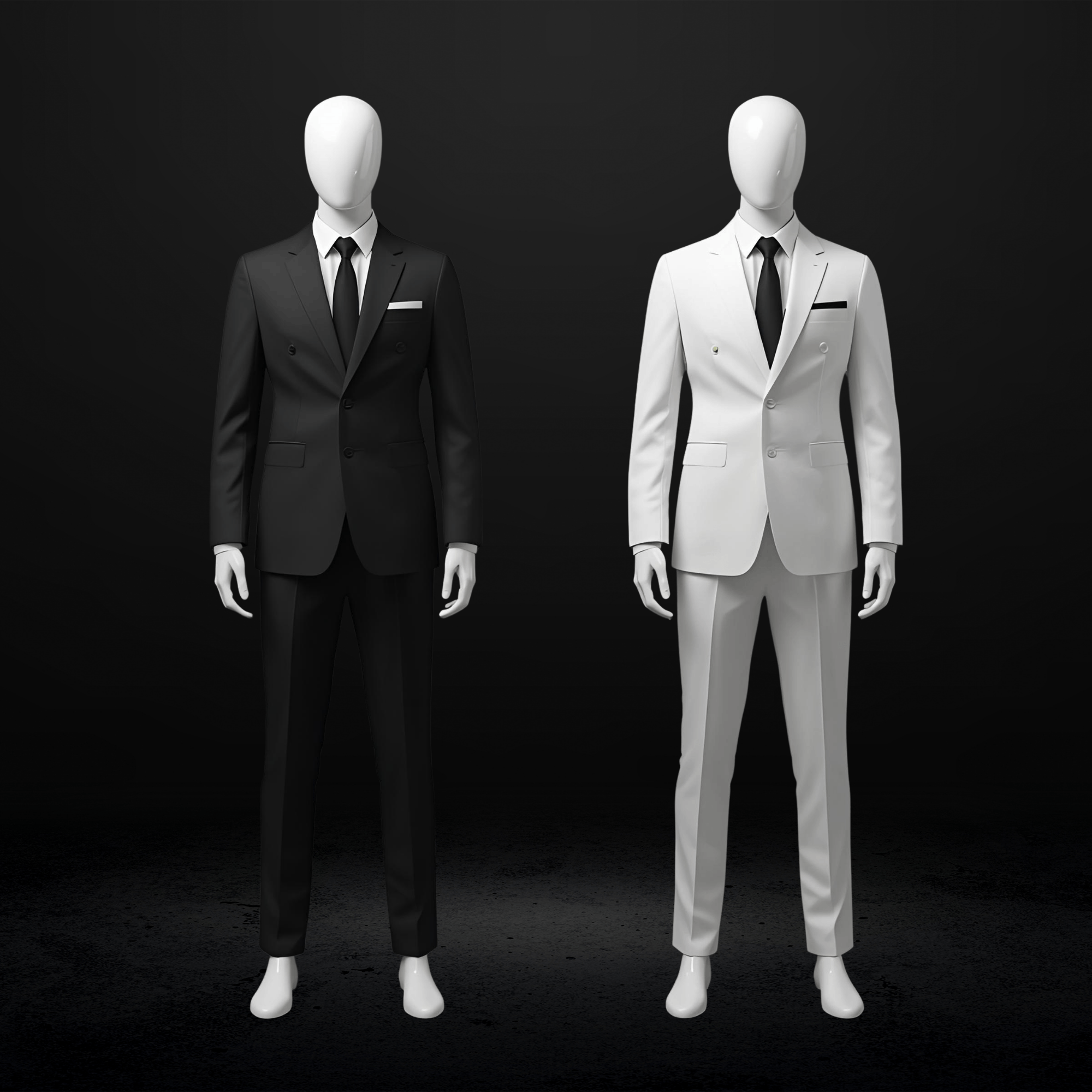
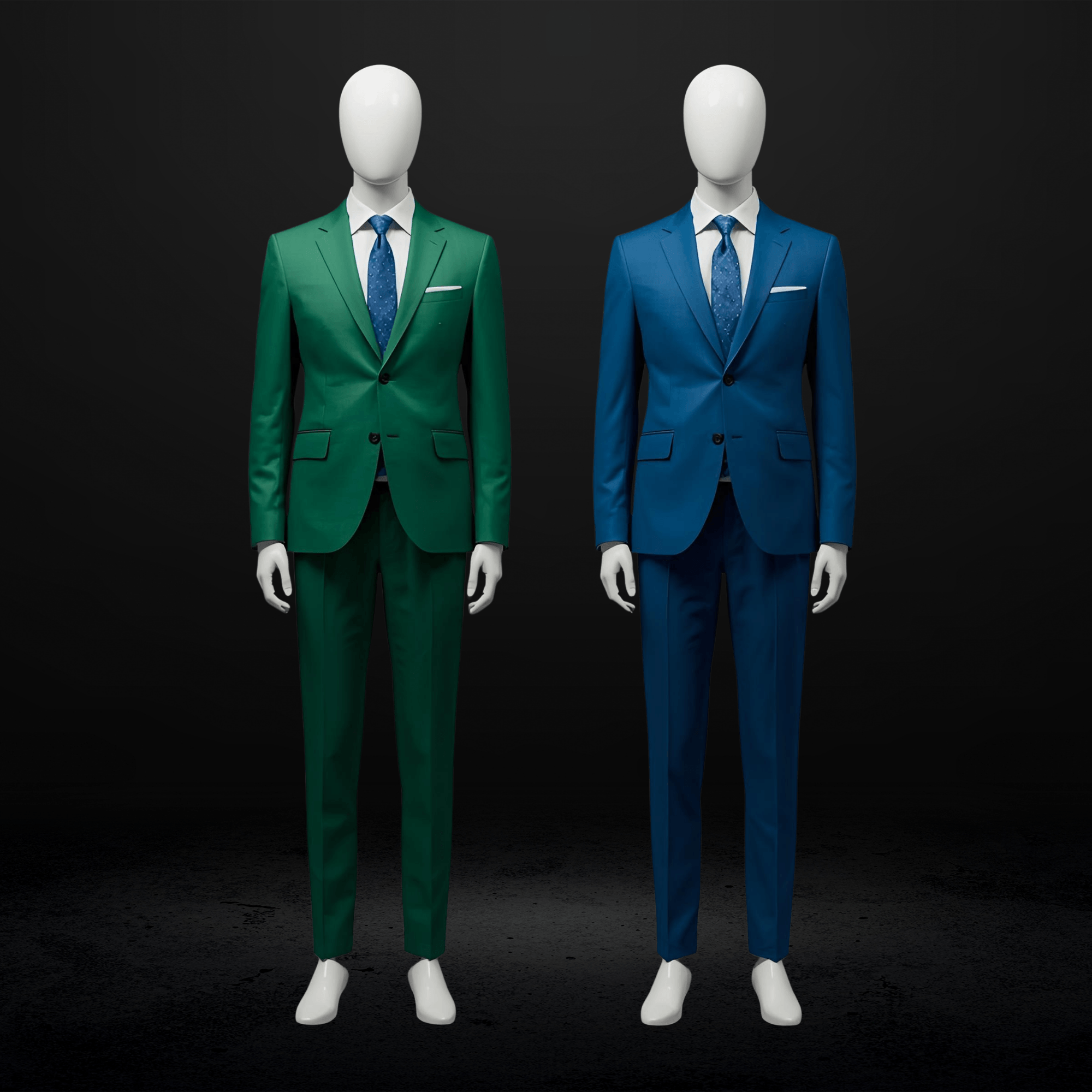
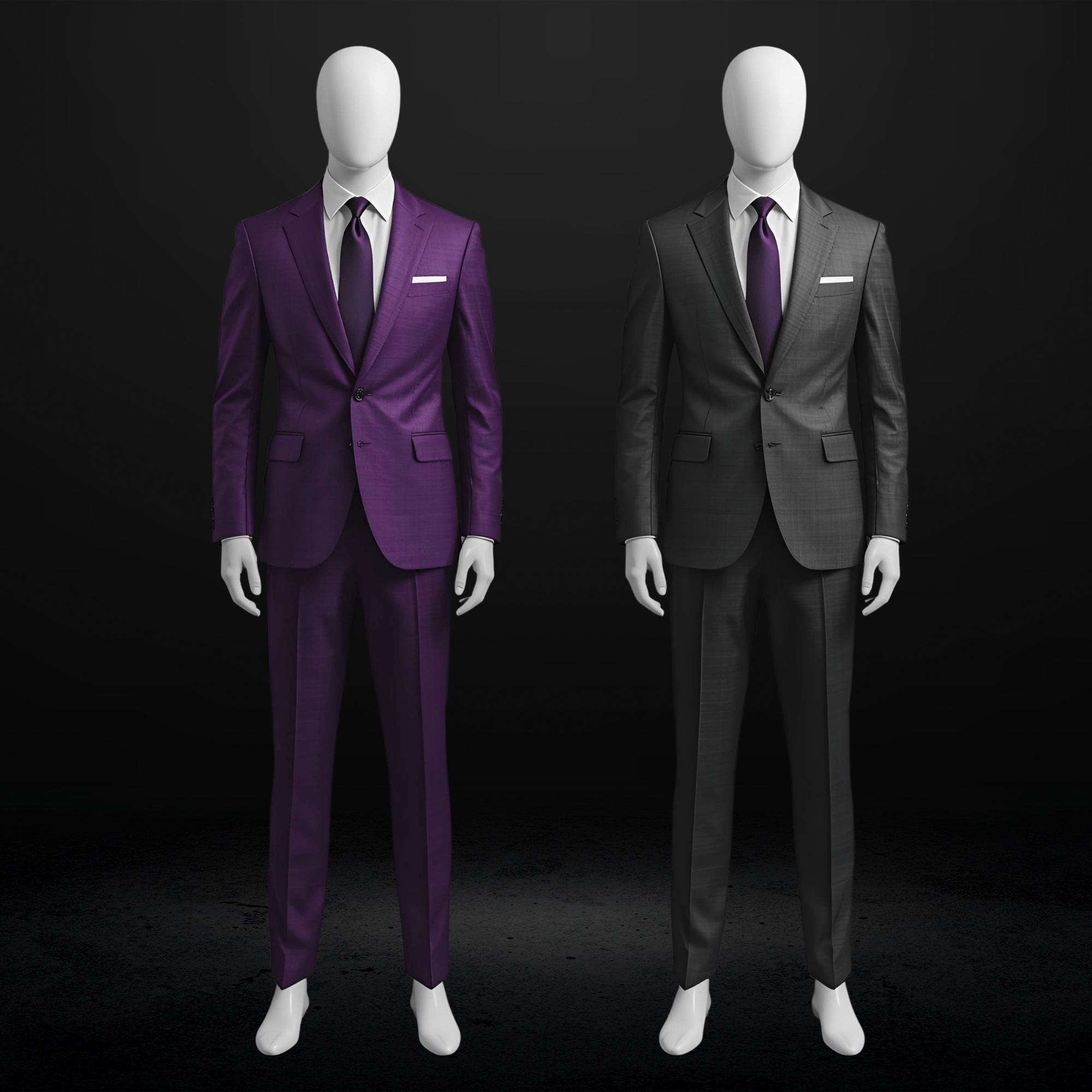
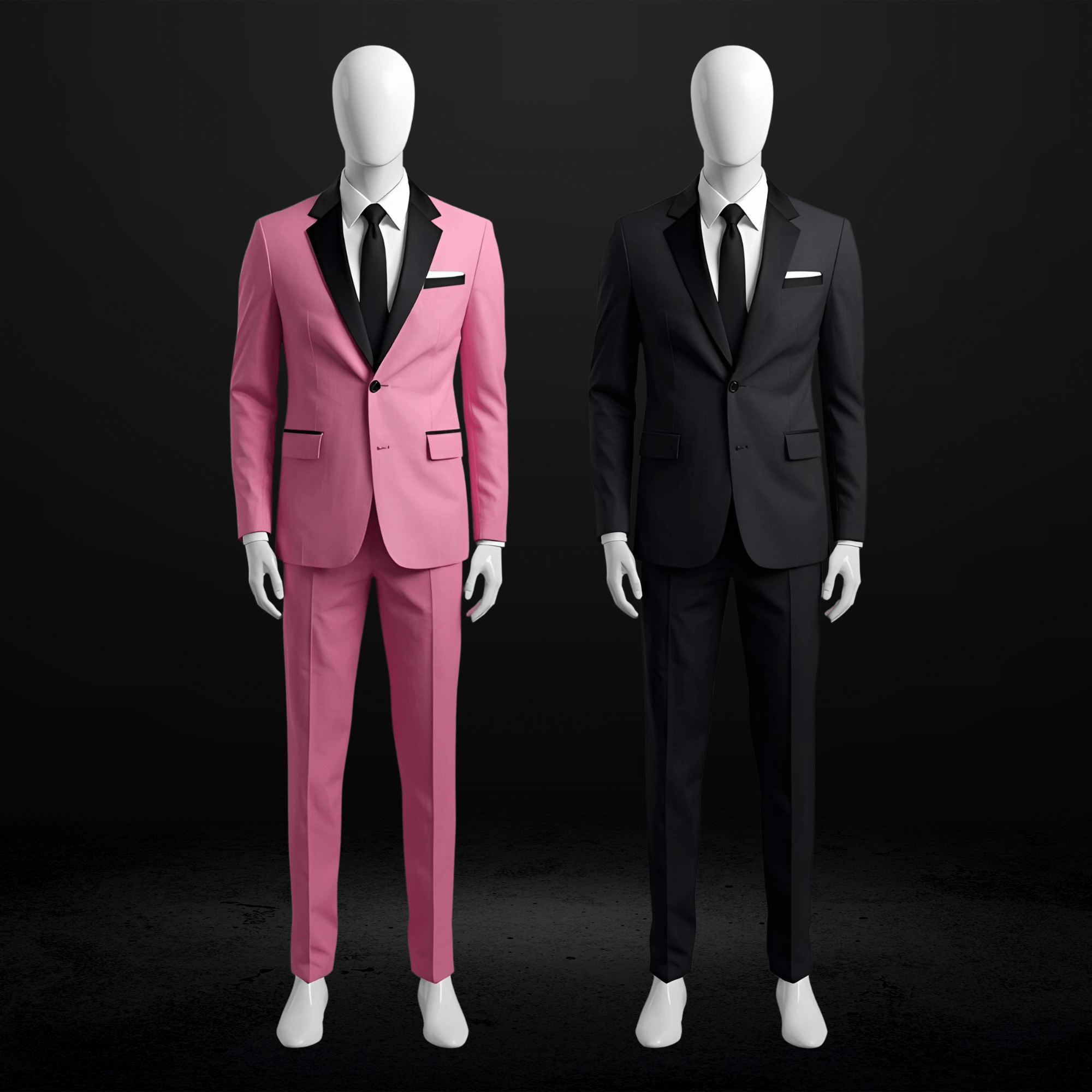
You’ve picked the venue, set the date, and started thinking about what you’ll actually wear when you stand at the altar. Groom Suit vs Tuxedo? The question seems simple until you start researching and find conflicting advice everywhere.
Some sources insist that grooms must wear tuxedos. Others say suits are perfectly acceptable. Wedding blogs show grooms in everything from classic black tie to casual linen blazers. Your future in-laws have opinions. Your groomsmen have questions. And you’re left wondering if there’s actually a right answer.
There is. But it’s not “tuxedo is always better” or “suit is fine for everything.” The right choice depends on specific factors: your wedding’s formality, timing, venue, your partner’s dress, and what you’ll actually feel confident wearing.
This guide cuts through the confusion. You’ll learn the structural differences between suits and tuxedos, understand when dress code rules actually apply, and get a practical framework for making the decision that fits your specific wedding.
TLDR: A tuxedo is required only for black-tie or white-tie weddings and evening formal events (after 6 PM). For all other weddings, including most daytime ceremonies, outdoor venues, casual themes, and destination celebrations, a well-fitted suit is not only acceptable but often more appropriate. The key is matching your attire to your wedding’s actual formality level, not defaulting to “tuxedo equals fancier.”
The Structural Difference: Satin Is the Distinction
Before deciding which to wear, you need to understand what actually separates a suit from a tuxedo. The distinction is simpler than most people realize.
What Makes a Tuxedo a Tuxedo
The defining characteristic of a tuxedo is satin. Specifically:
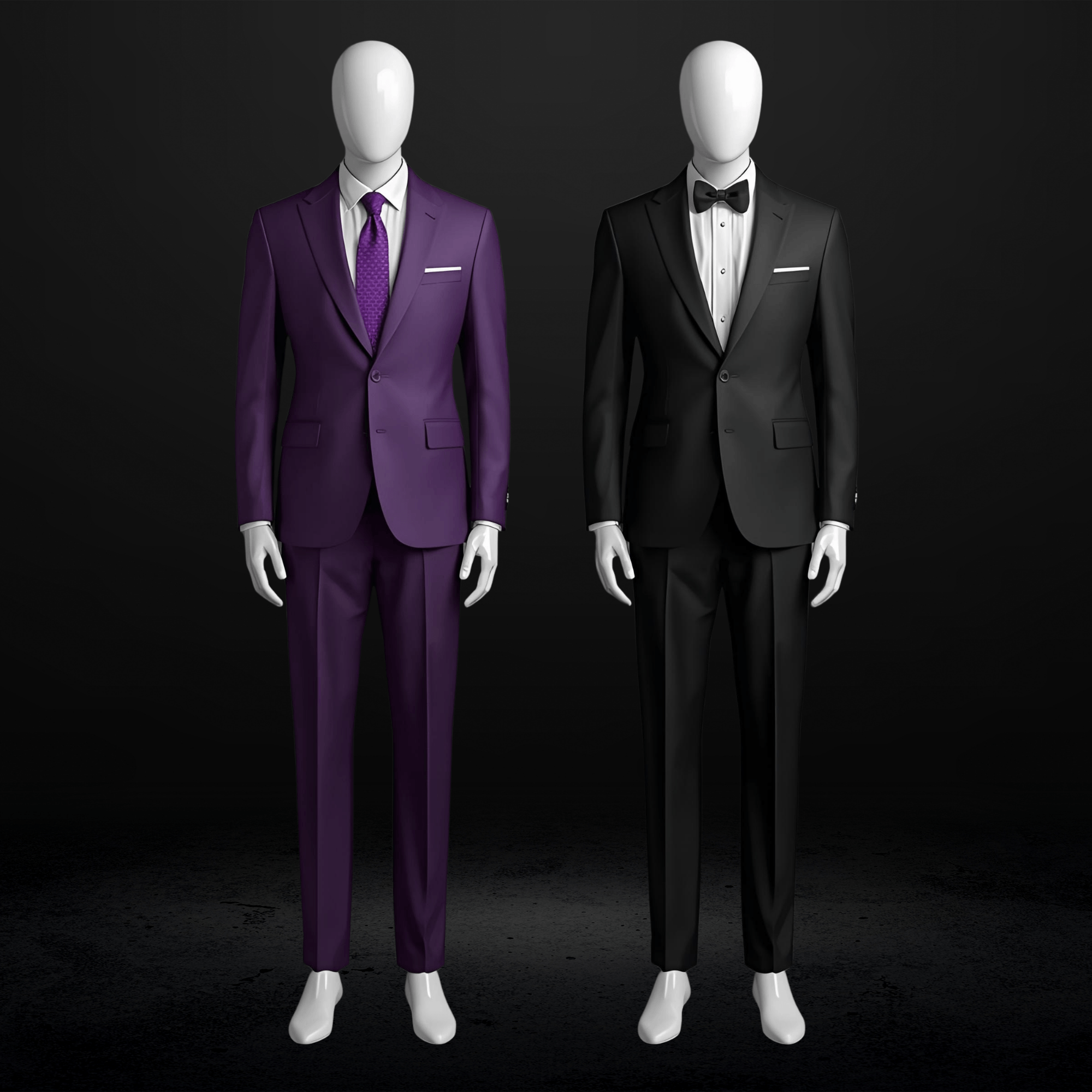
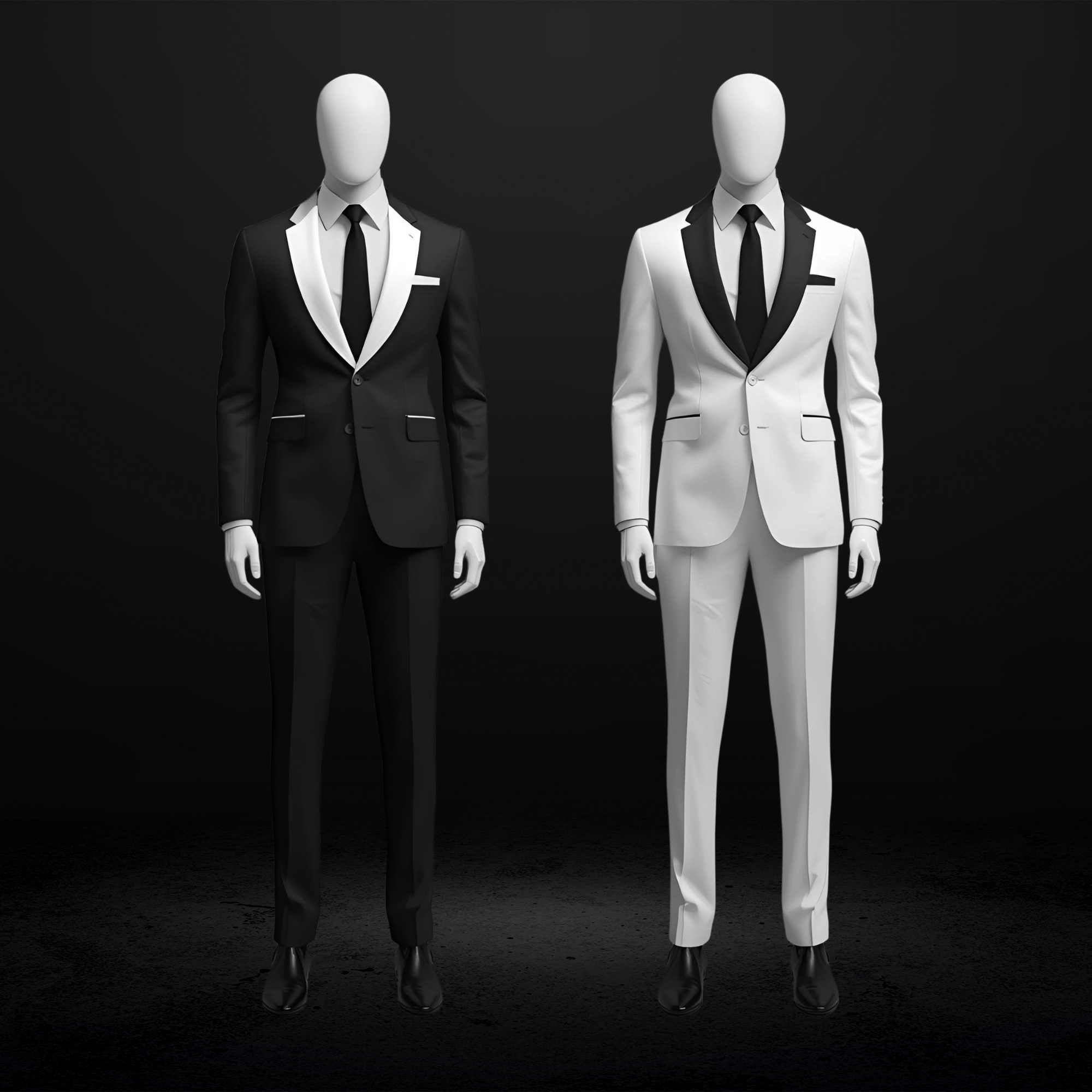
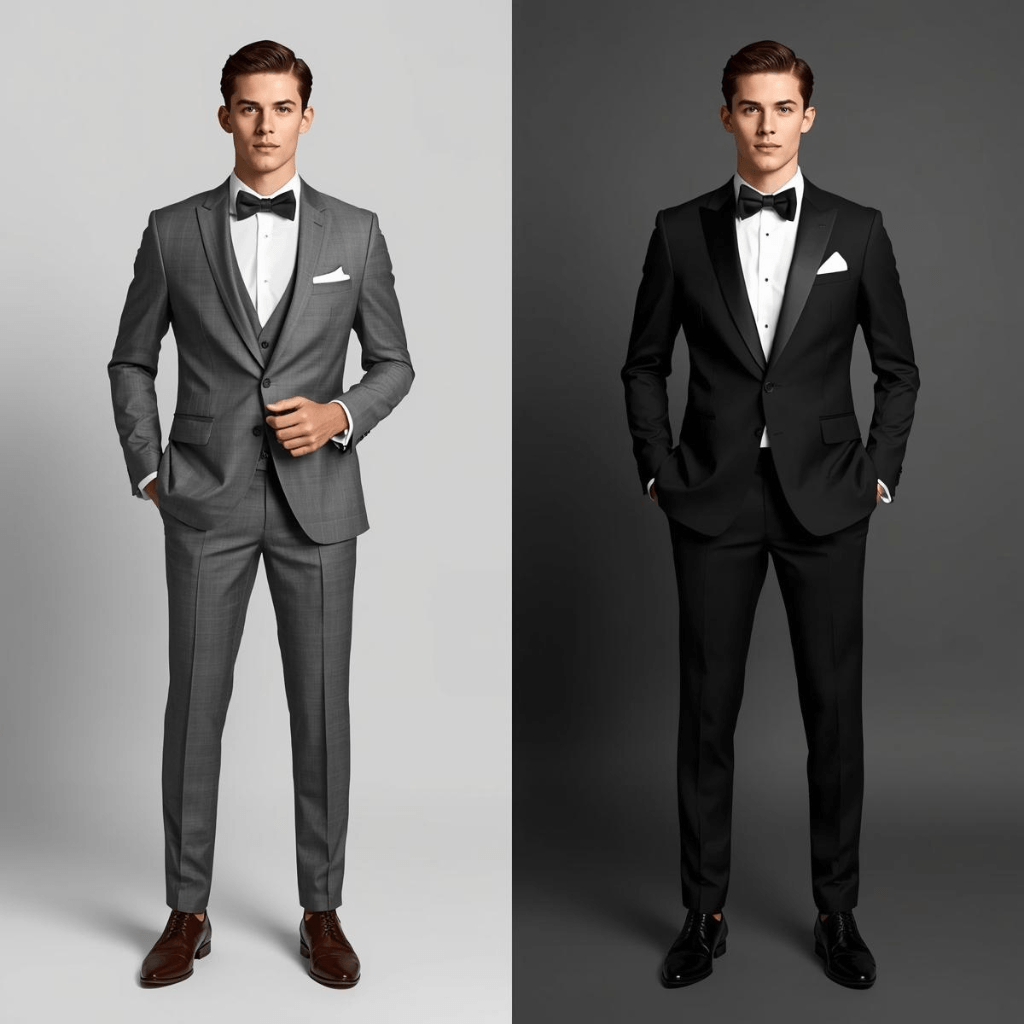
Satin lapels: The lapel facing is covered in satin rather than the same fabric as the rest of the jacket. This creates a subtle sheen that catches light and signals formal evening wear.
Satin-covered buttons: Tuxedo buttons are wrapped in satin, not plastic or horn like suit buttons.
Satin trouser stripe: A satin stripe runs down the outer seam of each trouser leg, matching the lapels.
That’s the essential difference. A tuxedo is fundamentally a suit with satin details that designate it as formal evening attire. The tuxedo emerged in the 1860s when the Prince of Wales asked his Savile Row tailor to create a less formal alternative to the tailcoat, eventually replacing it as standard evening wear by the 1920s.
What Makes a Suit a Suit
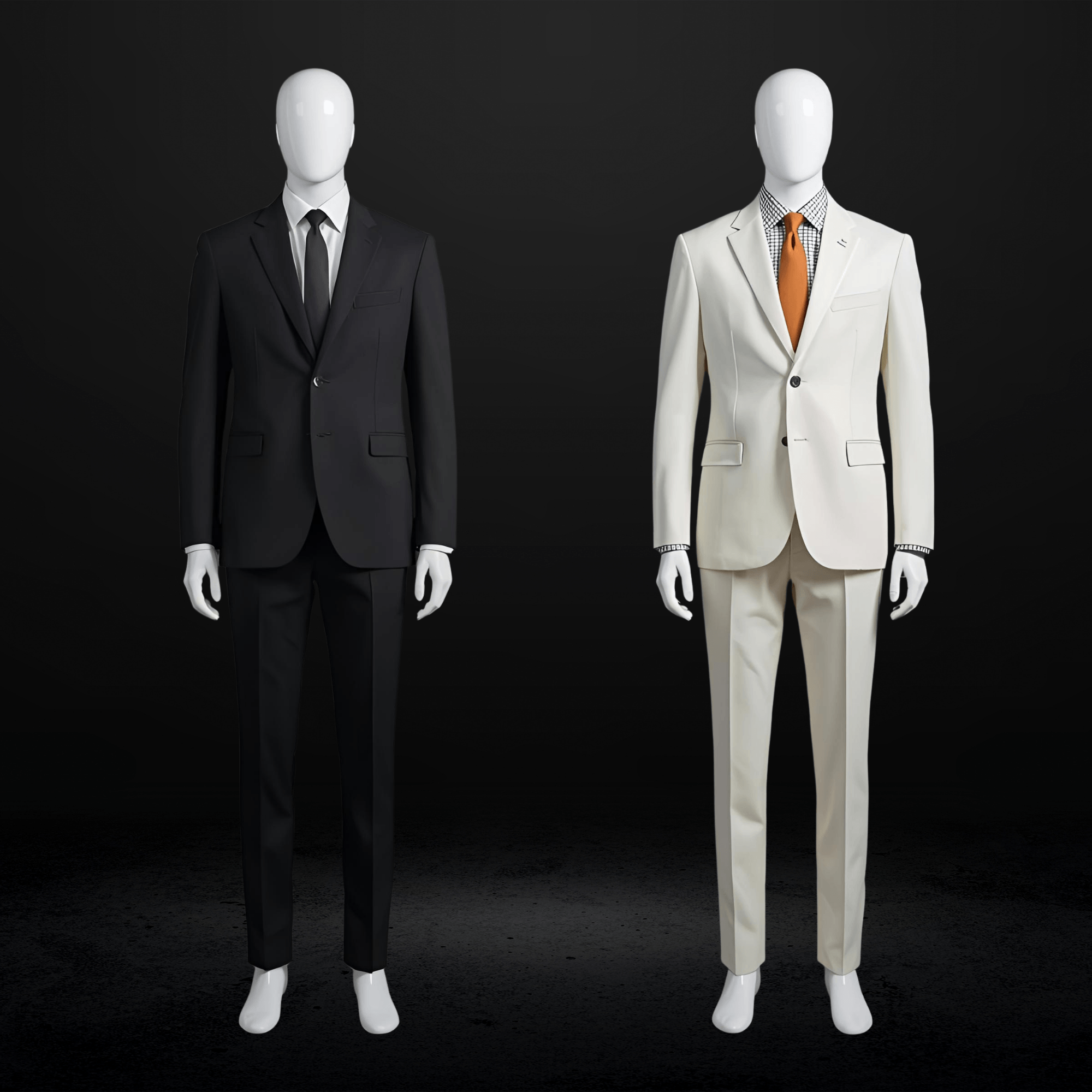
A suit uses the same fabric throughout: jacket, trousers, and lapels are all matching material. Buttons are typically horn, plastic, or metal. No satin anywhere.
This uniformity makes suits versatile. They work for business meetings, funerals, job interviews, and yes, weddings. The same suit can serve multiple purposes across your life.
The Accessories That Follow
The satin distinction extends to how each is traditionally accessorized:
Tuxedo accessories: Bow tie (traditionally black), cummerbund or formal vest, French-cuff shirt with studs and cufflinks, patent leather shoes.
Suit accessories: Necktie or bow tie, standard dress shirt, regular dress shoes.
These aren’t absolute rules. Modern grooms mix and match. But understanding the traditional pairing helps you make intentional choices rather than accidental ones.
The 6 PM Rule: When Tuxedos Actually Apply
Here’s the foundational principle that cuts through most of the confusion: tuxedos are evening wear.
According to traditional dress code etiquette, a tuxedo belongs at events beginning after 6 PM. Before that time, regardless of how formal the occasion, other options are more appropriate.
This isn’t arbitrary. The satin on a tuxedo catches and reflects light in ways designed for evening illumination: candlelight, chandeliers, dim reception halls. Under bright afternoon sun, that same satin can look out of place.
What This Means for Your Wedding
Evening ceremony (after 6 PM) + formal venue = tuxedo territory. If you’re getting married at night in a ballroom, cathedral, or upscale hotel, a tuxedo fits the setting.
Daytime ceremony (before 6 PM) = suit territory. Even in a formal venue, a morning or afternoon wedding traditionally calls for a suit rather than a tuxedo. Historical wedding attire conventions established that daytime ceremonies warranted different dress than evening events. The most formal daytime option is actually a morning coat (with tails), but few modern grooms choose this route.
Outdoor, casual, or destination weddings = suit territory regardless of time. Beach ceremonies, garden parties, barn weddings, and casual celebrations call for suits even if they start after sunset.
The 6 PM rule provides a starting framework. Your specific venue and vision refine the choice from there.
Dress Code Decoded: What Each Level Actually Means
Wedding invitations sometimes specify dress codes. If yours does, that determines the answer. Here’s what each designation actually requires:
White Tie
The most formal dress code possible. Extremely rare for modern weddings.
Groom attire: Evening tailcoat with white vest, white bow tie, formal shirt with wing collar, patent leather shoes. This is beyond standard tuxedo territory.
When it applies: State dinners, diplomatic events, the most elite formal occasions. If you’re having a white-tie wedding, you already know it.
Black Tie
The classic formal evening dress code. Common for upscale evening weddings.
Groom attire: Traditional tuxedo required. Black jacket with satin lapels, black bow tie, formal shirt, patent leather or highly polished shoes.
When it applies: Evening weddings in formal venues, upscale hotel ballrooms, country clubs, anywhere you want maximum formality. If your invitation says “black tie,” guests expect to see you in a tuxedo.
Black Tie Optional
Signals a formal event while giving guests flexibility.
Groom attire: Either a tuxedo or a dark formal suit works. As the groom, you might choose the tuxedo to stand out from guests who opt for suits.
When it applies: Evening weddings where you want elegance but don’t want to mandate tuxedos for all guests.
Formal / Semi-Formal
A step down from black tie. Suits become the primary expectation.
Groom attire: A well-fitted suit in dark colors (navy, charcoal, black). You can wear a tuxedo, but it’s not required and may feel overdressed depending on the venue.
When it applies: Most evening weddings that aren’t explicitly black tie, daytime weddings in elegant venues.
Cocktail / Dressy Casual
Polished but relaxed. The most common designation for modern weddings.
Groom attire: Suit required, but you have flexibility on colors and styles. Navy, gray, even tan or lighter colors work depending on setting.
When it applies: Outdoor weddings, daytime celebrations, casual venues, destination weddings.
Casual / Beach
The most relaxed end of the spectrum.
Groom attire: Suit optional. Blazer with dress pants, linen separates, or even well-fitted chinos with a sport coat can work depending on the specific setting.
When it applies: Beach weddings, backyard celebrations, extremely casual venues.
Venue and Theme: Matching Your Setting
Dress code is one input. Your actual venue and wedding vision matter equally.
Tuxedo-Appropriate Venues
The following settings naturally call for a tuxedo (assuming evening timing):
Ballrooms and grand hotels: The ornate surroundings, chandeliers, and formal service expect equally formal attire.
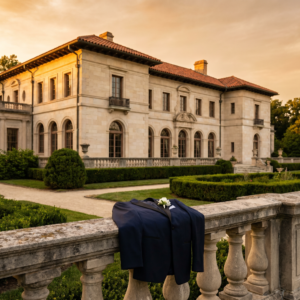
Historic mansions and estates: These spaces were designed for formal entertaining. A tuxedo honors that tradition.
Upscale country clubs: The dress code culture of these venues typically aligns with black-tie expectations.
Fine dining reception venues: If guests are seated for a multi-course dinner with white glove service, tuxedo formality matches the experience.
Urban formal venues: Rooftop penthouses, museum galleries, exclusive restaurants with formal evening ambiance.
Suit-Appropriate Venues
The following settings call for a suit rather than a tuxedo:
Outdoor venues: Gardens, vineyards, farms, parks, beaches. The natural setting contrasts with tuxedo formality.
Rustic venues: Barns, lodges, ranches, wineries with casual ambiance.
Casual restaurants and breweries: These spaces have inherent informality that tuxedos would contradict.
Destination locations: Beach resorts, mountain lodges, foreign locales where travel logistics and climate make tuxedos impractical.
Daytime venues of any kind: Regardless of how elegant the space, daytime timing moves you toward suits.
When Theme Overrides Everything
Some wedding themes have their own attire expectations:
Vintage/retro weddings: A three-piece suit often fits better than a tuxedo, matching the aesthetic.
Bohemian/boho weddings: Relaxed suits, possibly without ties, match the free-spirited vibe.
Modern/minimalist weddings: Clean-lined suits in unexpected colors can express the aesthetic better than traditional black tie.
Cultural weddings: Traditional attire from your heritage may be more meaningful than Western formal wear.
Your wedding is yours. The “rules” exist to guide decisions, not constrain authentic expression of your style and story.
Coordinating with Your Partner
Your attire shouldn’t exist in isolation. What your partner wears matters for the visual cohesion of your wedding photos and the overall aesthetic of your day.
The Formality Match Principle
Your attire should match your partner’s formality level. This doesn’t mean identical levels of embellishment, but equivalent levels of dressiness.
If your partner wears a ball gown: The full skirt, structured bodice, and dramatic silhouette of a ball gown signals maximum formality. A tuxedo matches this level.
If your partner wears an A-line or fit-and-flare dress: These classic silhouettes work across formality levels. Either a tuxedo or a formal suit can complement them depending on other factors.
If your partner wears a sheath or column dress: The sleek, understated elegance of these styles pairs well with suits. A tuxedo might overpower the refined simplicity.
If your partner wears a casual or bohemian dress: Light fabrics, relaxed silhouettes, or non-traditional styles call for suit casualness rather than tuxedo formality.
The Color Conversation
Discuss colors early. If your partner’s dress has color (blush, champagne, blue), certain suit colors will complement better than others. If you’re considering a non-black tuxedo or colored suit, share fabric samples so you can evaluate the combination before committing.
You don’t need to match exactly. But you should look intentionally coordinated, not accidentally mismatched.
What Your Wedding Photos Need
You’ll look at these photos for decades. Your children and grandchildren will see them. That long-term perspective should influence your choice.
Fit Matters More Than Category
A well-fitted suit will look better in photos than an ill-fitted tuxedo. This is not debatable. Photographers consistently note that fit is the single biggest factor in how grooms photograph.
The wrong fit can add visual weight to your frame, create awkward lines, and distract from your expression. The right fit creates clean silhouettes that let your face and your joy be the focus.
If choosing between a perfectly fitted suit and a rental tuxedo that doesn’t quite fit, the suit wins every time.
Color in Photography
Different colors photograph differently. Navy suits photograph beautifully across almost all lighting conditions. Charcoal provides excellent contrast. Black can flatten in certain lighting but works well with skilled photographers.
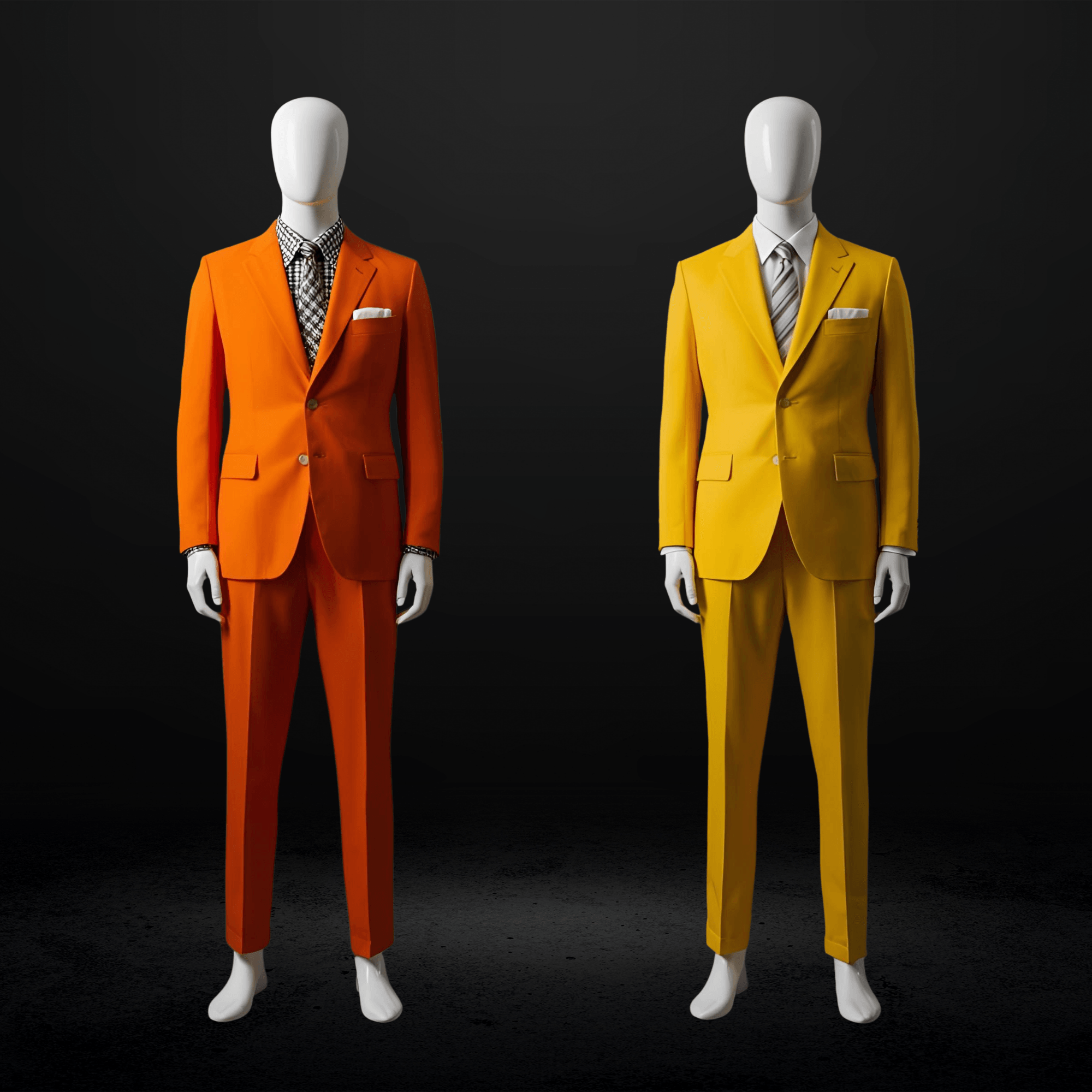
Tan and lighter colors work beautifully in outdoor natural light but can wash out in certain indoor settings. Bold colors photograph dramatically but date more quickly in photos.
Consider your venue’s lighting and your photographer’s style when selecting color.
The Details That Show
Professional photographers capture details: your boutonniere, cufflinks, watch, pocket square, shoes. These elements add visual interest and personalization to your photos.
Whether you choose a suit or tuxedo, invest thought in the accessories. They’re not afterthoughts. They’re the details that make your look distinctly yours.
Groomsmen Coordination
Your wedding party should complement your look without competing with it.
The Traditional Approach
Traditionally, groomsmen match the groom. If you wear a tuxedo, they wear tuxedos. If you wear a suit, they wear suits. This creates visual unity in wedding party photos.
The advantage: No one looks out of place, and the photos have cohesive elegance.
The disadvantage: Cost for groomsmen (tuxedo rentals add up) and less flexibility for individual expression.
The Modern Approach
Many contemporary weddings use coordinated rather than matching attire. Groomsmen might wear:
Same color, different intensities: You in navy, groomsmen in lighter blue.
Same style, different accessories: Everyone in charcoal suits, but with individualized ties or pocket squares.
Complementary colors: You in a statement color, groomsmen in neutral that highlights your distinction.
Suits while you wear a tuxedo: This naturally distinguishes you as the groom while keeping everyone appropriately dressed.
The advantage: Budget-friendlier for groomsmen, allows personality expression, visually distinguishes the groom.
The disadvantage: Requires more coordination to avoid looking disjointed.
The Practical Conversation
Have an honest conversation with your groomsmen about budget. Requiring everyone to rent tuxedos adds significant cost to participating in your wedding. Some groomsmen may already own suits that could work with minor modifications.
Whatever you decide, communicate clearly and early so everyone can plan accordingly.
Rent vs. Buy: The Economics
Your suit-or-tuxedo decision connects to whether you’ll rent or purchase.
The Case for Renting
Tuxedos: Unless you attend multiple black-tie events annually, renting a tuxedo makes financial sense. A quality rental runs $150-$250. Purchasing a comparable tuxedo costs $500-$1,500+, and you may wear it only a handful of times in your life.
Wedding-specific styles: If you want something unusual (white jacket, bold color, unique texture) that you won’t wear again, renting makes sense.
Budget constraints: When finances are tight, rental saves money for other priorities.
The Case for Buying
Suits: A quality suit you can wear to future weddings, job interviews, business events, and formal occasions offers excellent cost-per-wear value. Purchasing often makes more sense than renting for suits.
Future use: If you’ll wear the garment again (work, events, other weddings), purchase converts a wedding expense into a wardrobe investment.
Fit perfection: Purchased suits can be tailored exactly to your body. Rentals fit “close enough” but rarely perfectly. For the photos that last forever, perfect fit matters.
Emotional value: Some grooms want to keep their wedding attire as a memento, to pass down, or to wear on anniversaries.
The Hybrid Approach
Many grooms purchase their suit and have groomsmen rent matching or coordinating options. This gives you perfect fit for the focal point of photos while managing costs for your wedding party.
Five Wedding Scenarios: What to Wear
Let’s apply all these principles to common wedding scenarios.
Scenario 1: Evening Ballroom Wedding
Setting: Urban hotel ballroom, ceremony at 7 PM, seated dinner reception, 150 guests.
Dress code indicated: Black tie optional.
Recommendation: Tuxedo. The evening timing, formal venue, and dress code all point toward a tuxedo. You’ll look appropriately elegant, and guests who choose suits will still look fine but not underdressed relative to you.
Scenario 2: Daytime Garden Wedding
Setting: Botanical garden, ceremony at 3 PM, cocktail reception, 80 guests.
Dress code indicated: Formal.
Recommendation: Suit. Despite “formal” designation, the daytime timing and outdoor setting favor a suit. Navy or charcoal in mid-weight fabric works beautifully. A tuxedo would feel overdressed and out of sync with the natural setting.
Scenario 3: Beach Destination Wedding
Setting: Resort beach, ceremony at sunset, casual reception, 40 guests who traveled for the event.
Dress code indicated: Casual elegant.
Recommendation: Suit, probably in lighter color. Tan, light gray, or even a relaxed navy suit in tropical-weight fabric fits the setting. Skip the tie or wear it loosely. A tuxedo would be absurd on a beach regardless of sunset timing.
Scenario 4: Rustic Barn Wedding
Setting: Working farm venue, ceremony at 5 PM, barbecue-style reception, 120 guests.
Dress code indicated: Dressy casual.
Recommendation: Suit, possibly as separates. A three-piece suit in textured fabric (tweed, linen blend) honors the rustic vibe while keeping you polished. Consider skipping the jacket during reception or rolling sleeves. Tuxedo would clash with the casual, agricultural setting.
Scenario 5: Traditional Evening Church Wedding
Setting: Cathedral ceremony at 6 PM, country club reception, 200 guests, partner wearing a ball gown.
Dress code indicated: Black tie.
Recommendation: Tuxedo. The evening timing, religious venue, formal reception, partner’s gown formality, and explicit black-tie designation all require a tuxedo. This is exactly the scenario tuxedos were designed for.
Modern Trends: What Grooms Are Actually Wearing
Wedding fashion evolves. Here’s what’s happening in 2025:
Moving Away from Black
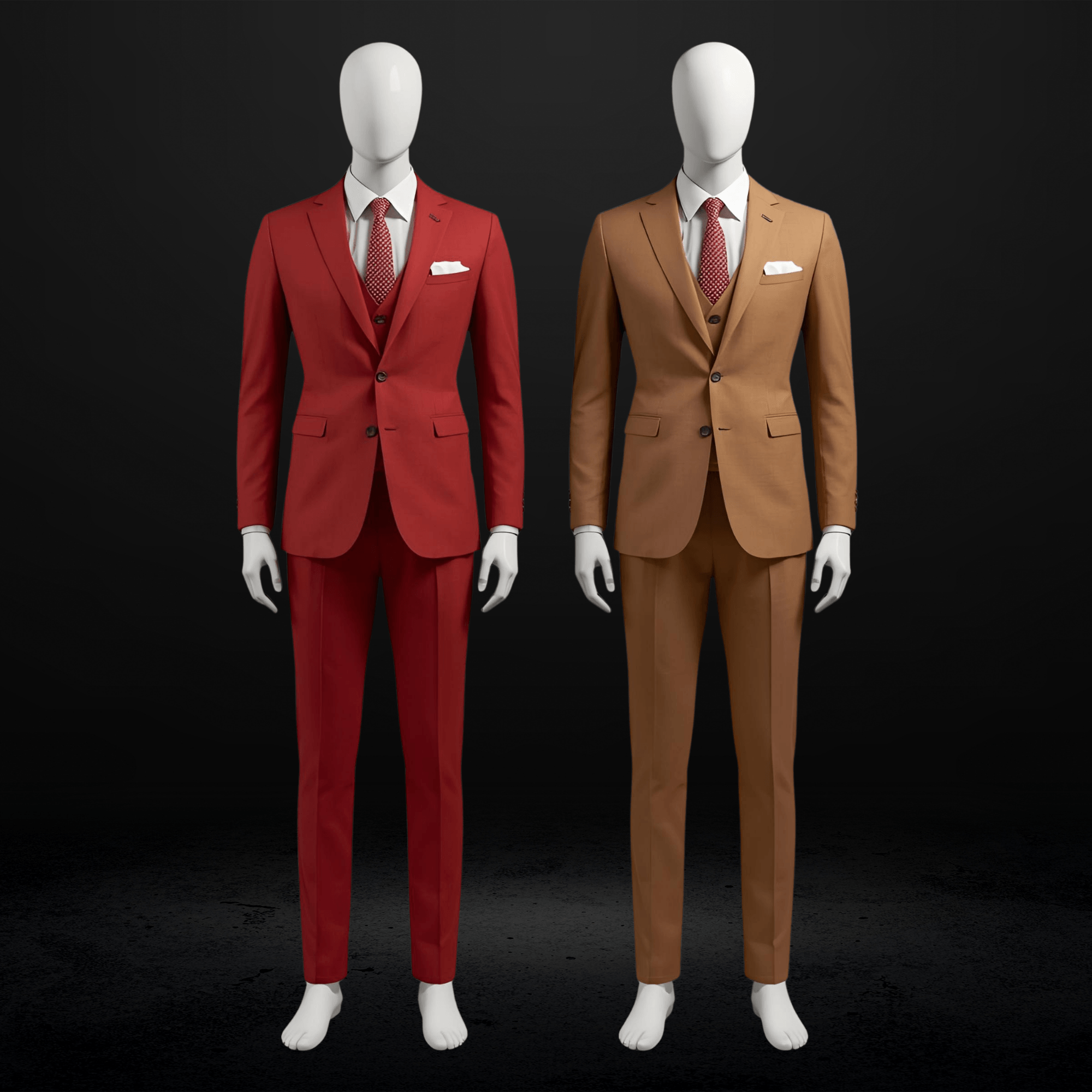
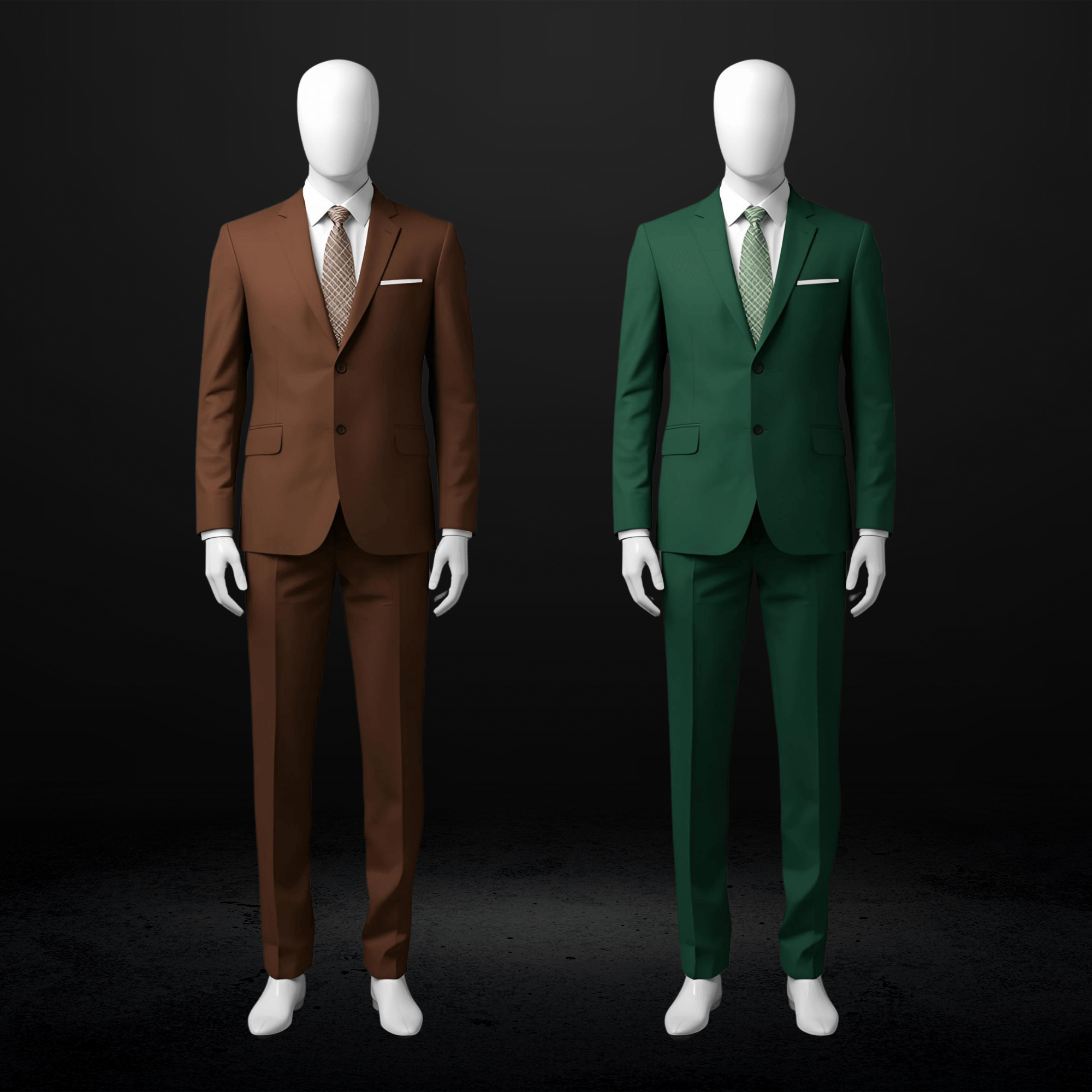
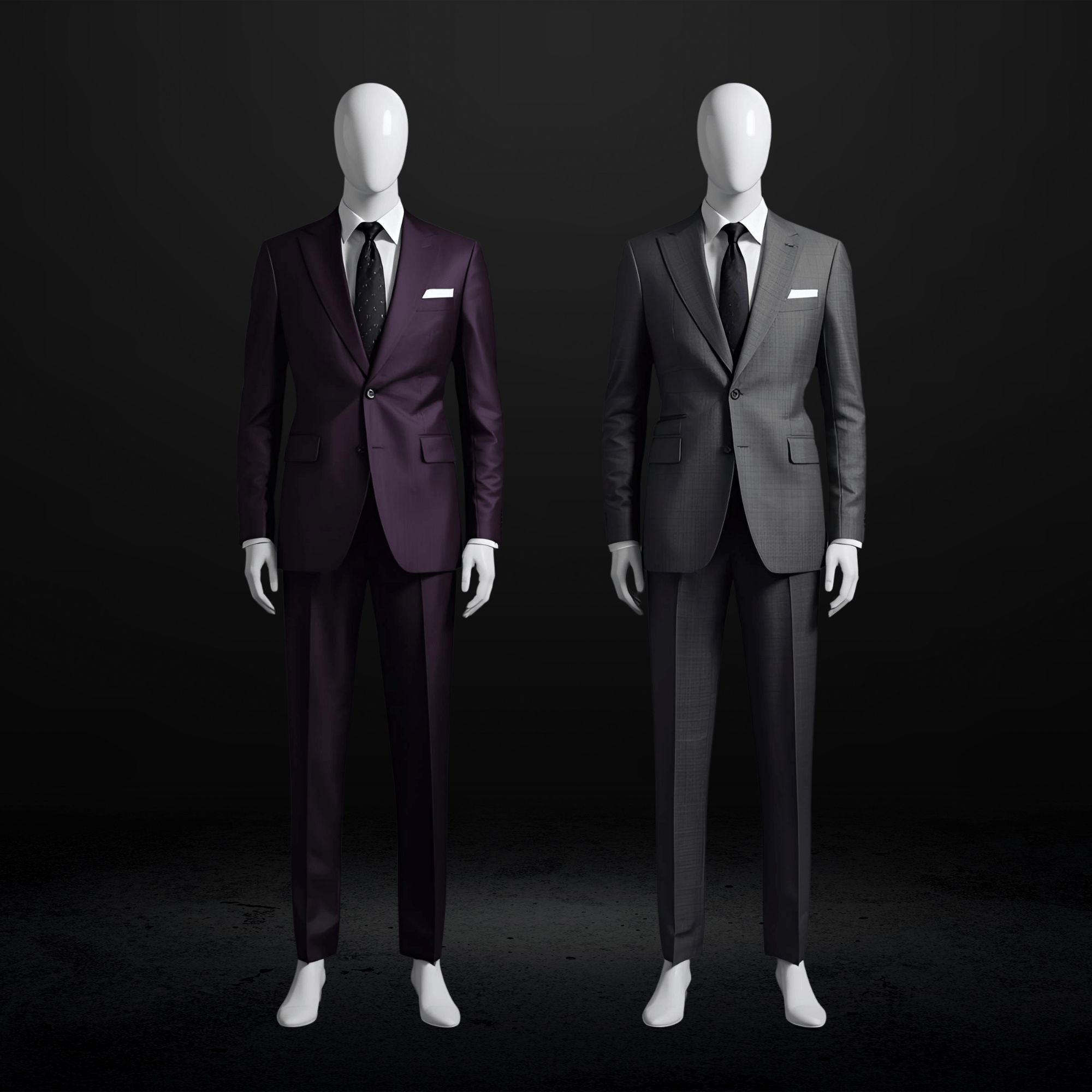
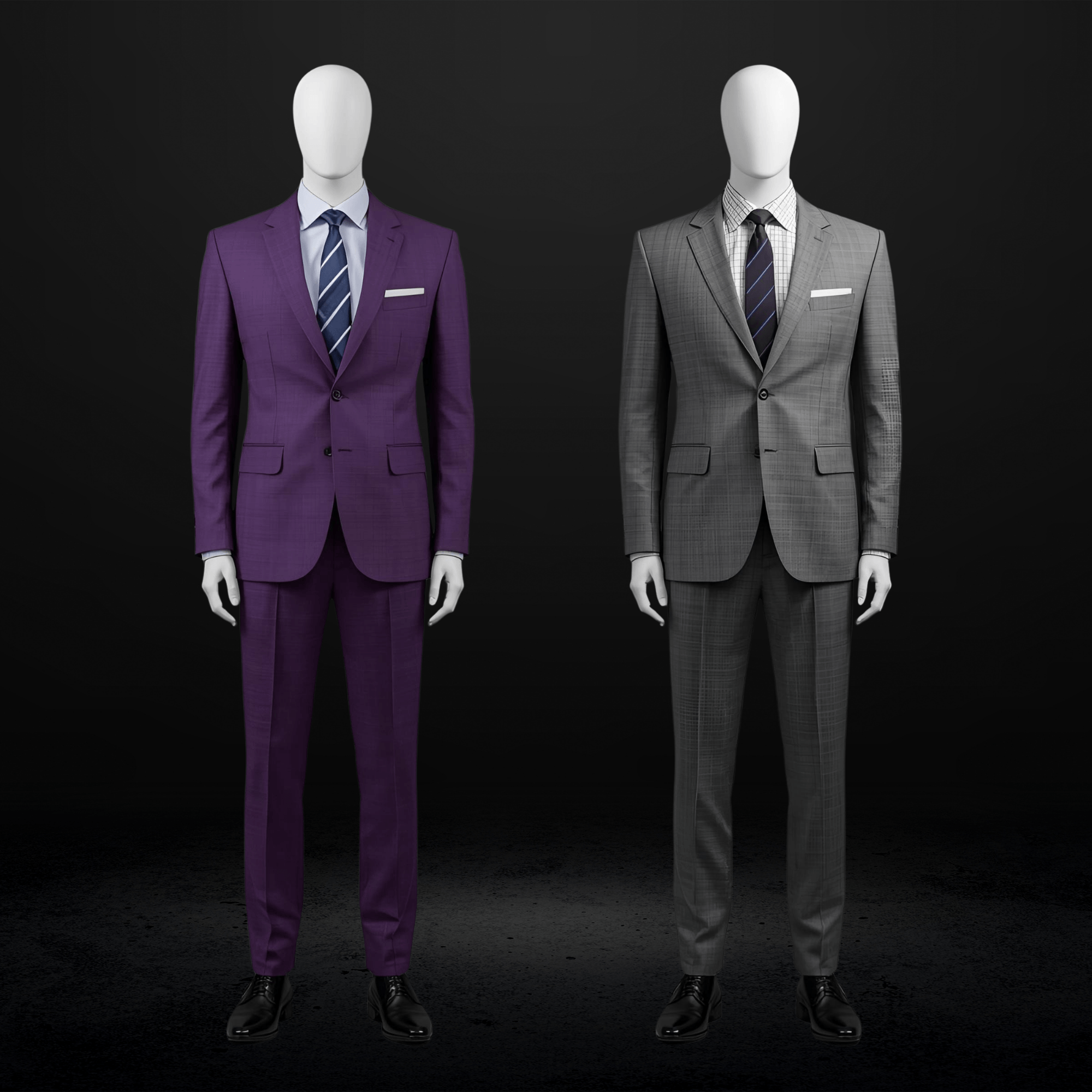
More grooms are choosing navy, charcoal, deep green, burgundy, and even tan over traditional black. These colors photograph beautifully, express personality, and coordinate with modern wedding color palettes.
Black remains classic and appropriate, but it’s no longer the default assumption.
Texture and Pattern
Velvet jackets, textured weaves, subtle patterns, and mixed materials are increasingly popular. These choices add visual interest and photograph with dimension that solid fabrics sometimes lack.
Personalization Over Tradition
Grooms are prioritizing what feels authentic over what’s “supposed” to happen. Custom accessories, family heirloom pieces, cultural elements, and personal touches matter more than rigid adherence to traditional rules.
Comfort Consideration
The modern groom thinks about wearing his outfit for 8-12 hours of photos, ceremony, reception, and dancing. Comfort factors into fabric choice, jacket construction, and overall design.
Frequently Asked Questions
Is a tuxedo always more formal than a suit? Yes, in the technical sense. Tuxedos are designated formal evening wear. However, “more formal” doesn’t always mean “more appropriate.” A suit at a garden wedding is more appropriate than a tuxedo, even though it’s technically less formal.
Can I wear a black suit instead of a tuxedo for a black-tie wedding? Technically yes, but you’ll be noticeably underdressed compared to guests who followed the dress code. If the invitation says black tie, wear a tuxedo.
What if my partner and I disagree about my attire? This is a conversation to have early. Both perspectives matter. Find a solution that honors both viewpoints. Sometimes the answer is meeting in the middle: a formal suit rather than a casual suit or tuxedo.
Should I match my groomsmen exactly? Not necessarily. You should be distinguished as the groom. Matching can work, but so can coordinated-but-distinct approaches.
Is it okay to wear a colored tuxedo? For your own wedding, yes. Midnight blue, burgundy, and green tuxedos are increasingly popular. For attending someone else’s black-tie wedding as a guest, stick with traditional black.
What about morning weddings? Morning and early afternoon weddings call for suits, regardless of venue formality. The most formal morning option is technically a morning coat (with tails), but this is rarely chosen today.
How far in advance should I decide? At least 3-4 months before the wedding for custom or made-to-measure options. Earlier if possible. Rentals need less lead time but still require 4-6 weeks for proper fitting.
What if I already own a suit I love? Wear it! Assuming it fits the formality of your wedding and fits you well, there’s no requirement to buy or rent something new. Get it professionally cleaned and tailored if needed.
Making Your Decision
Strip away the conflicting advice, the pressure from well-meaning family members, and the Instagram comparison trap. Your decision comes down to answering these questions:
1. What time does your ceremony start? Before 6 PM pushes toward suits. After 6 PM opens the door to tuxedos.
2. What’s your venue? Indoor formal venues support tuxedos. Outdoor, casual, or rustic venues favor suits.
3. What’s your dress code? Black tie or white tie requires a tuxedo. Everything else allows suits.
4. What’s your partner wearing? Match their formality level. Ball gown suggests tuxedo. Casual dress suggests suit.
5. What feels like you? After considering all the above, which option makes you feel confident and authentic?
The right answer serves your wedding’s specific context while letting you feel like the best version of yourself at the altar.
Your Next Step
You understand the distinction now. You know when each option applies. You have a framework for making the choice that fits your specific wedding.
What remains is execution: finding the perfect suit or tuxedo, achieving impeccable fit, and coordinating the details that make your look complete.
Schedule your consultation for groom and groomsmen suits in Kansas City and work with experts who understand wedding attire at the highest level.
What you get:
- Expert guidance on suit vs. tuxedo for your specific wedding
- Access to fabrics and styles that match your venue and vision
- Precise measurements for fit that photographs beautifully
- Groomsmen coordination that keeps everyone looking sharp
- A wedding day look you’ll be proud of for decades
Your wedding photos will hang on walls, fill albums, and tell your story to generations. The suit or tuxedo you choose is part of that permanent record.
Make it count.