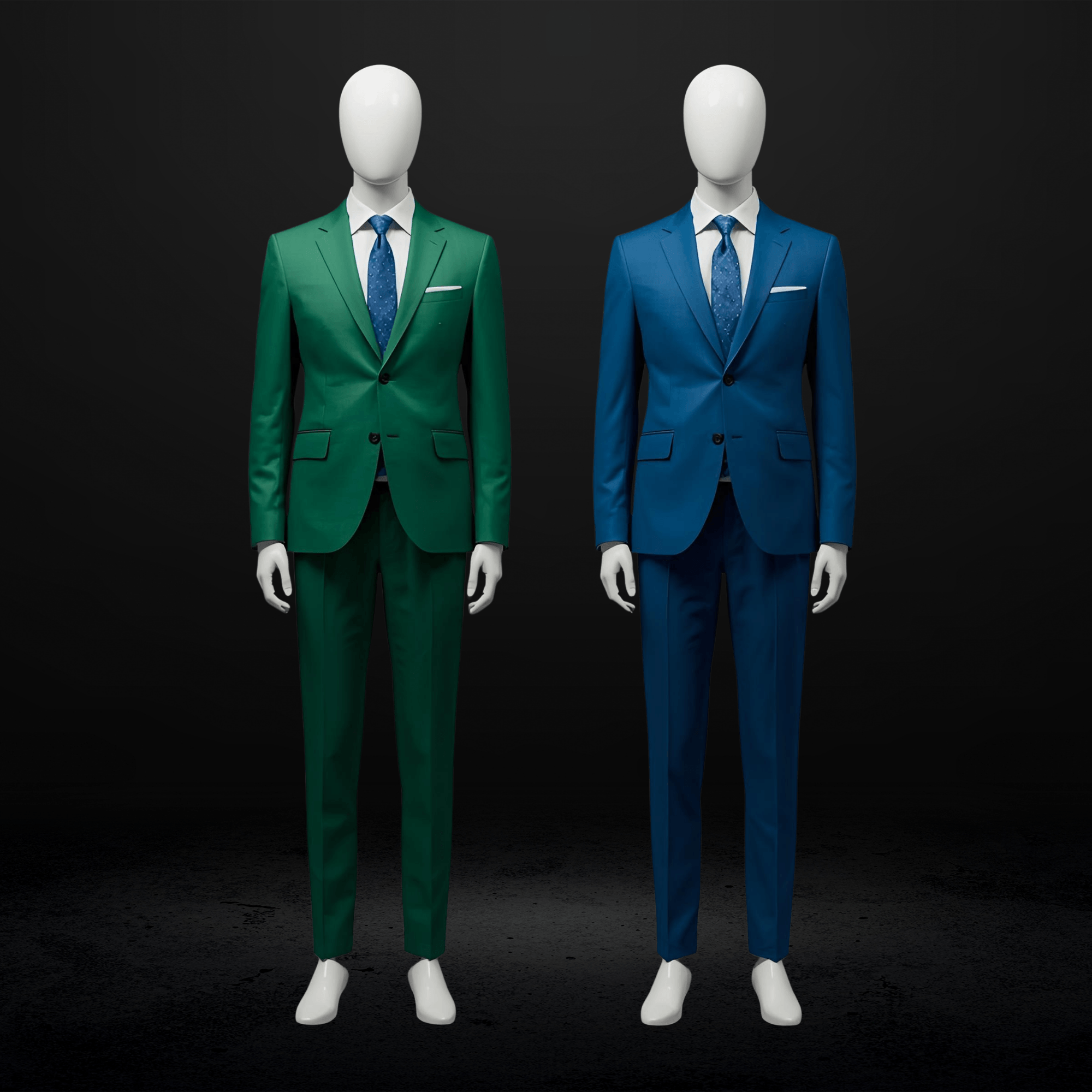
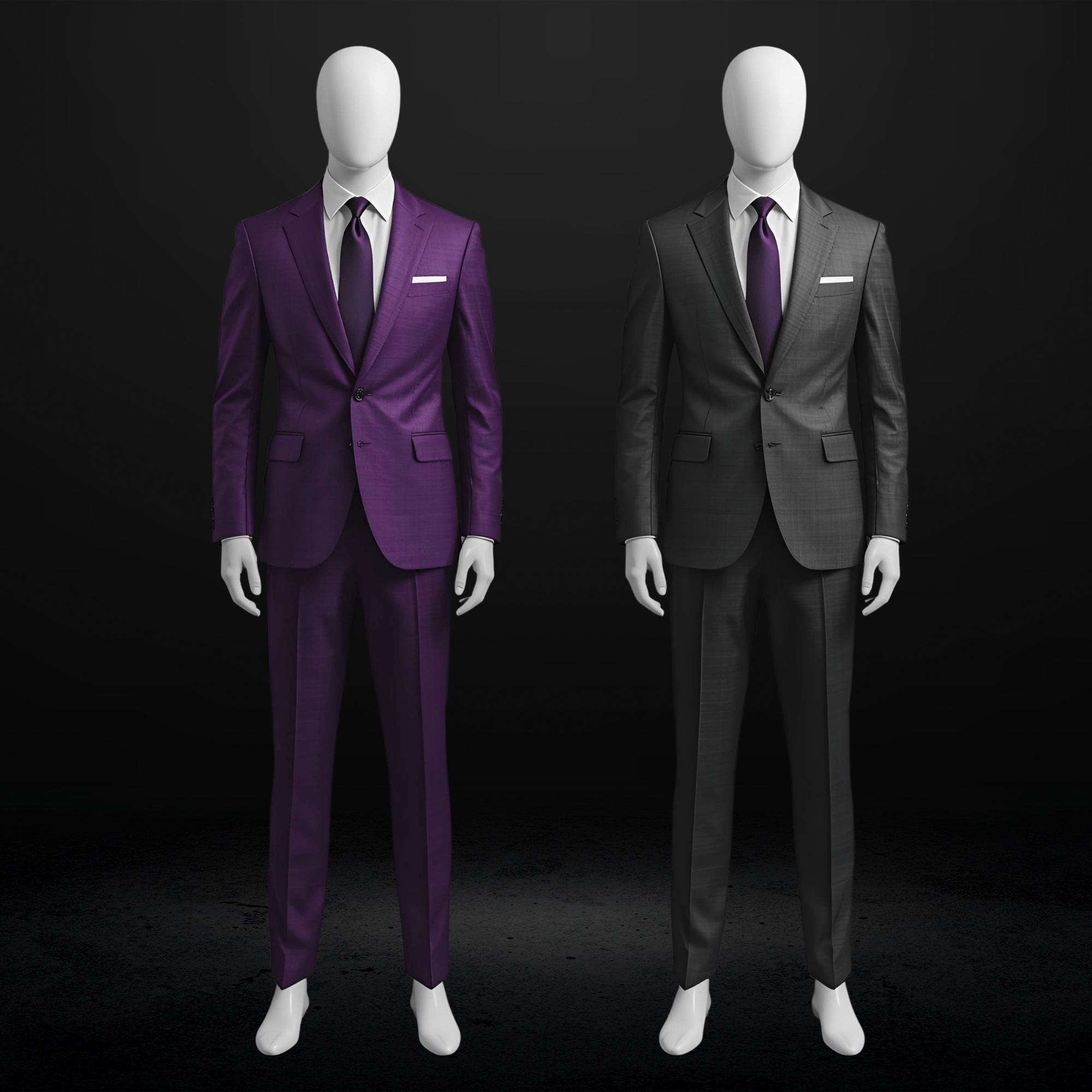
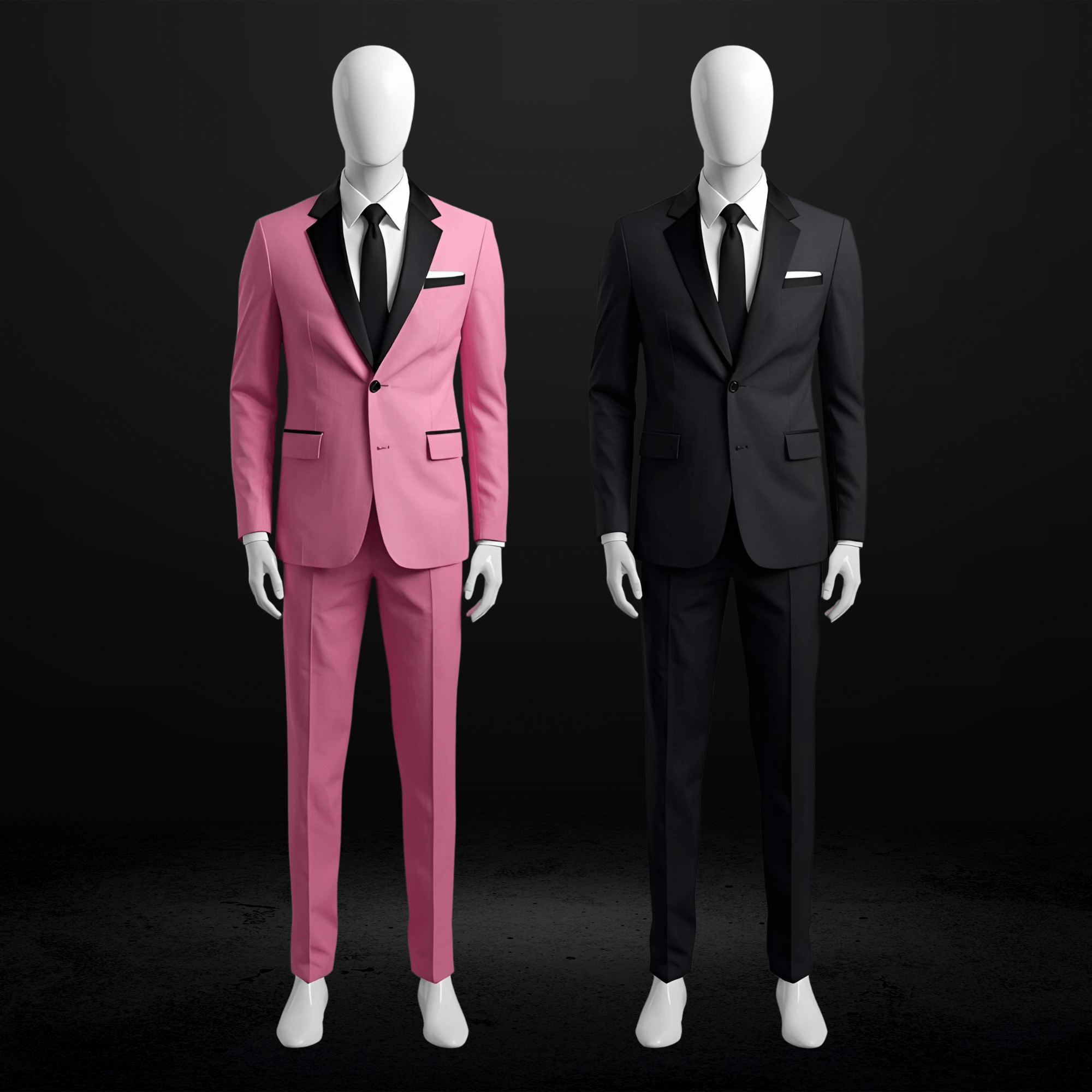
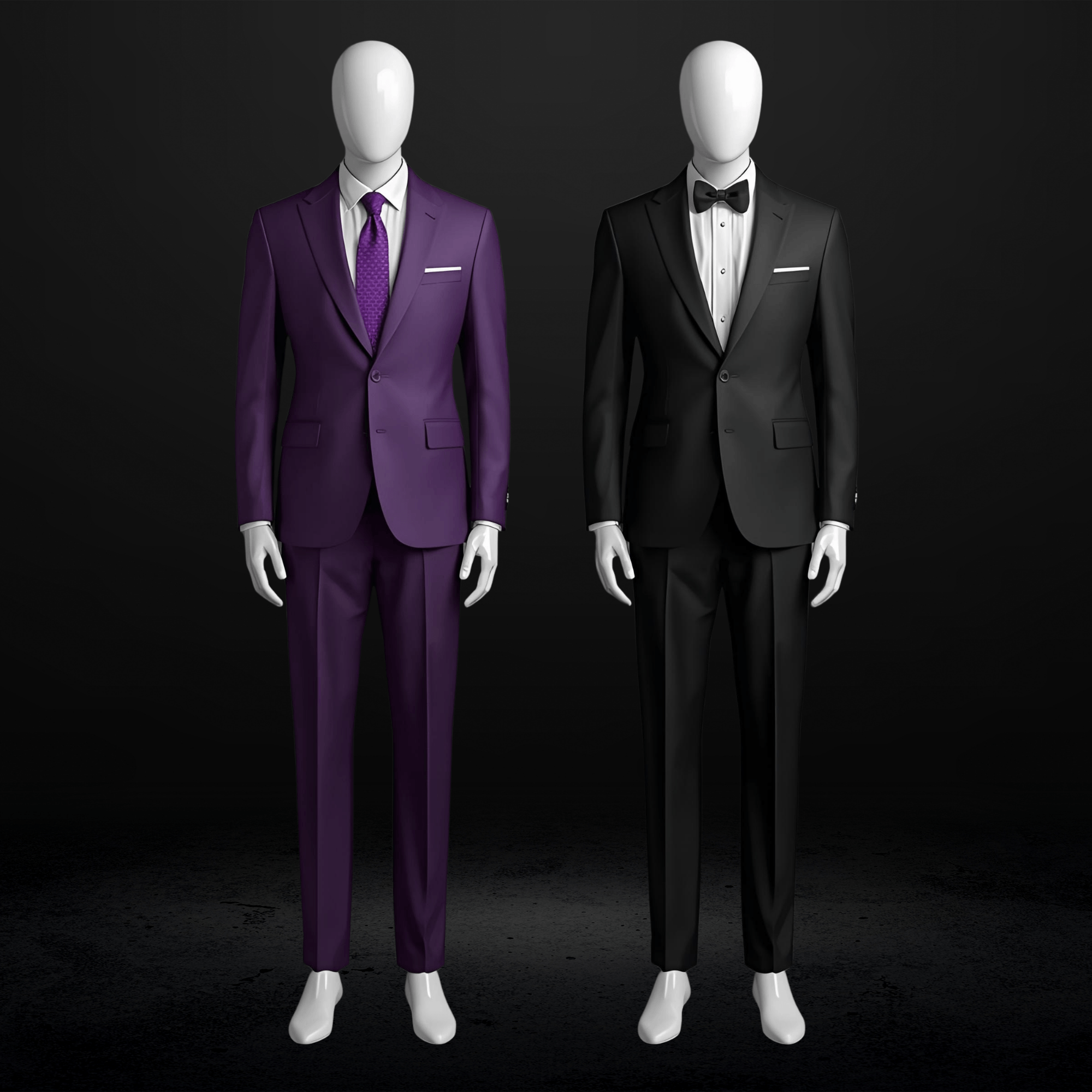
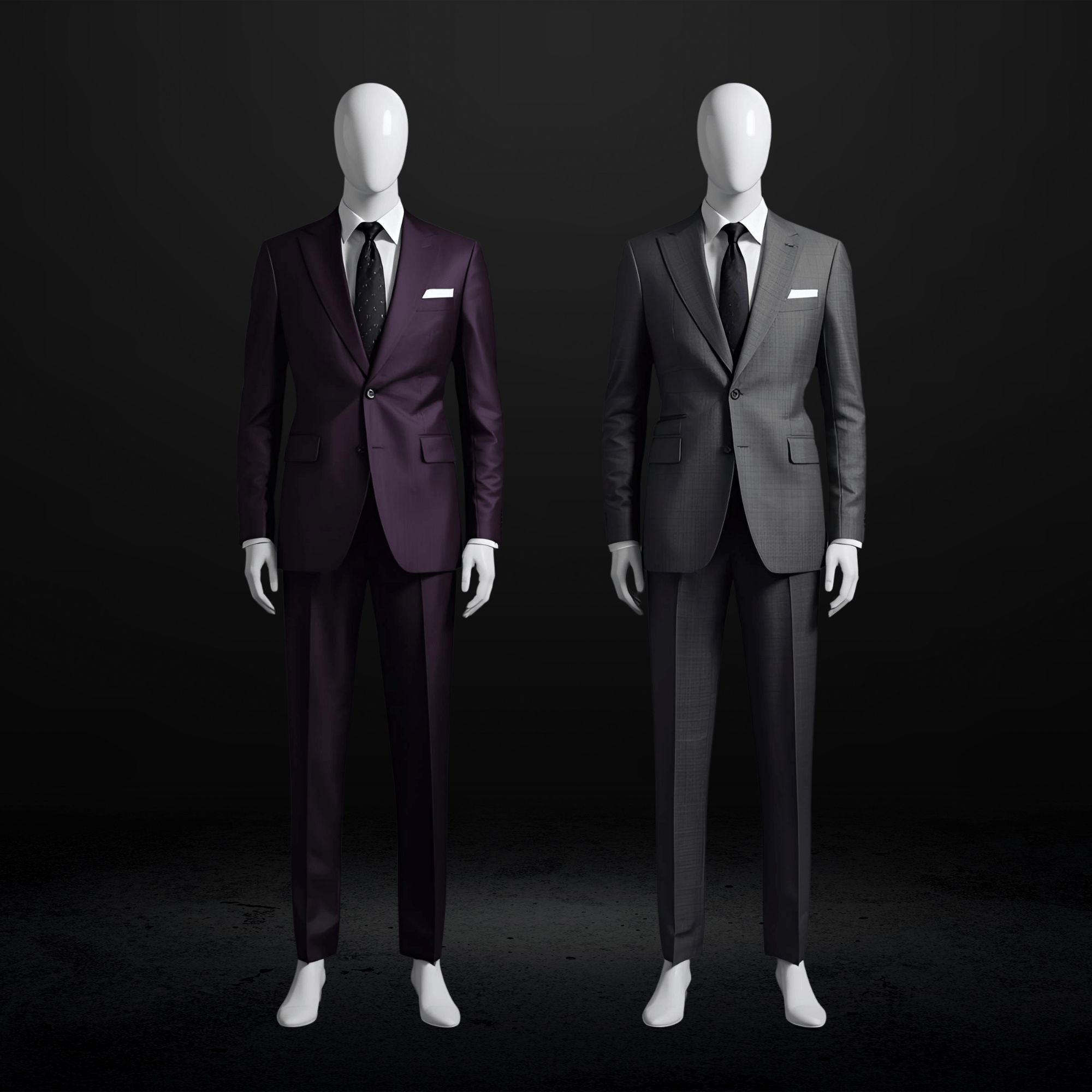
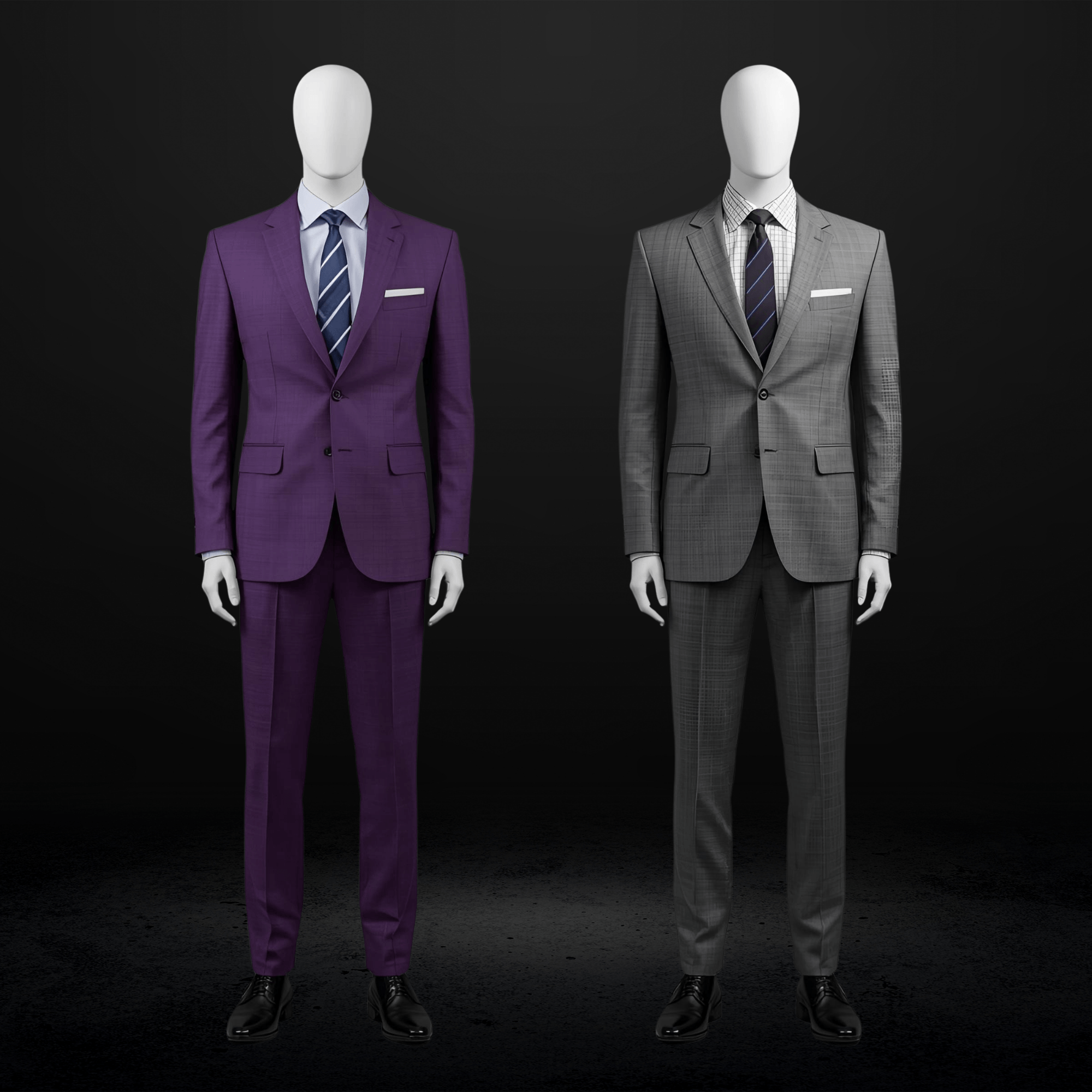
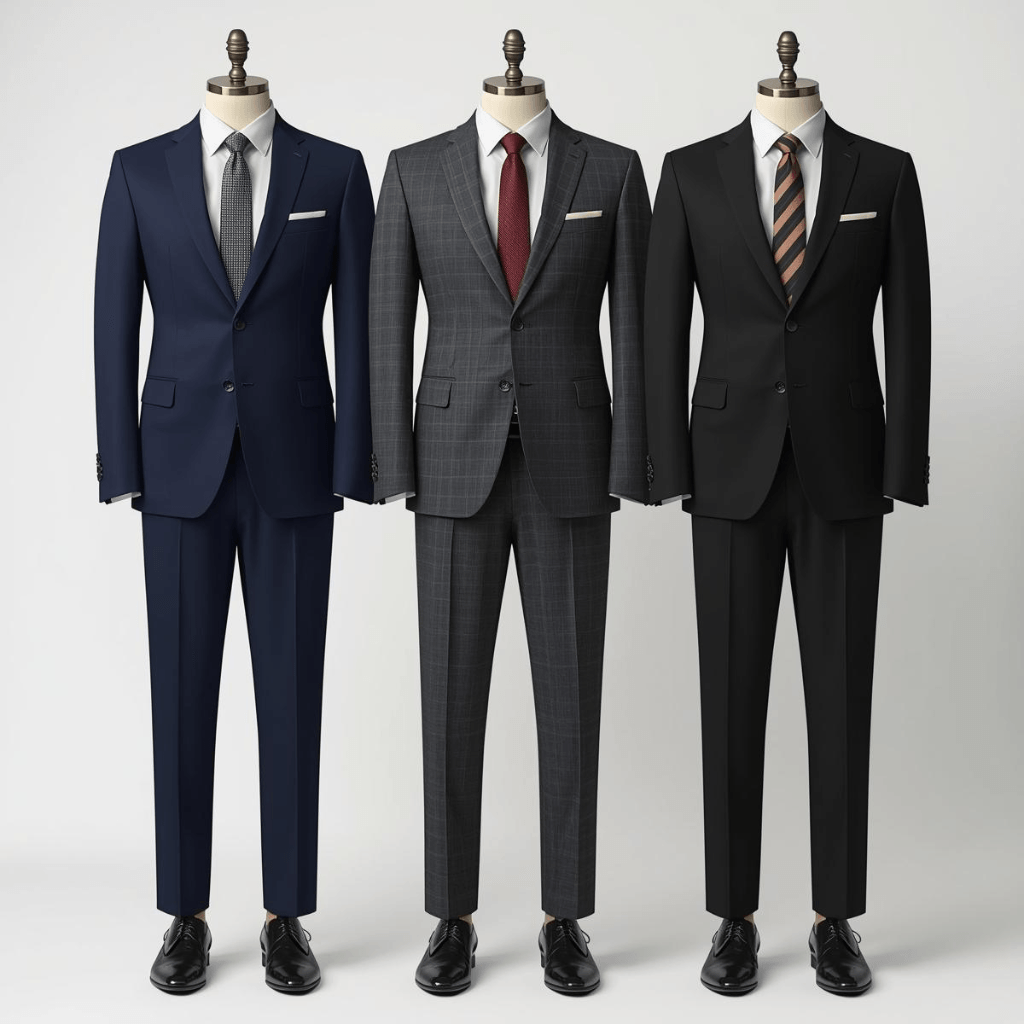
You’re standing in a suit store, credit card ready, and you face the decision that trips up almost every man building a professional wardrobe: Which color business suit do I buy first?
This question matters more than most style decisions because research confirms that clothing fundamentally shapes how others perceive you, influencing judgments about your competence, status, and trustworthiness within seconds of meeting someone. The wrong choice doesn’t just cost you money. It limits where you can wear your investment and what impression you make when you do.
Here’s the short answer: Buy navy or charcoal first. Never black for business.
That sounds simple, but the reasoning behind it reveals something important about how suit color actually works in professional settings.
TLDR: Navy and charcoal are both excellent first suit choices with no clear winner between them. Black is wrong for business contexts and signals inexperience to anyone who knows better. Your decision between navy and charcoal should depend on your skin tone, your industry, and personal preference, not on outdated “rules” that declare one universally superior.
Why Black Suits Fail in Business Settings
Let’s address the most common mistake first, because it’s the one that actually matters.
Black suits look like the safe choice. They’re everywhere in movies. They seem formal. They match everything, right?
Wrong.
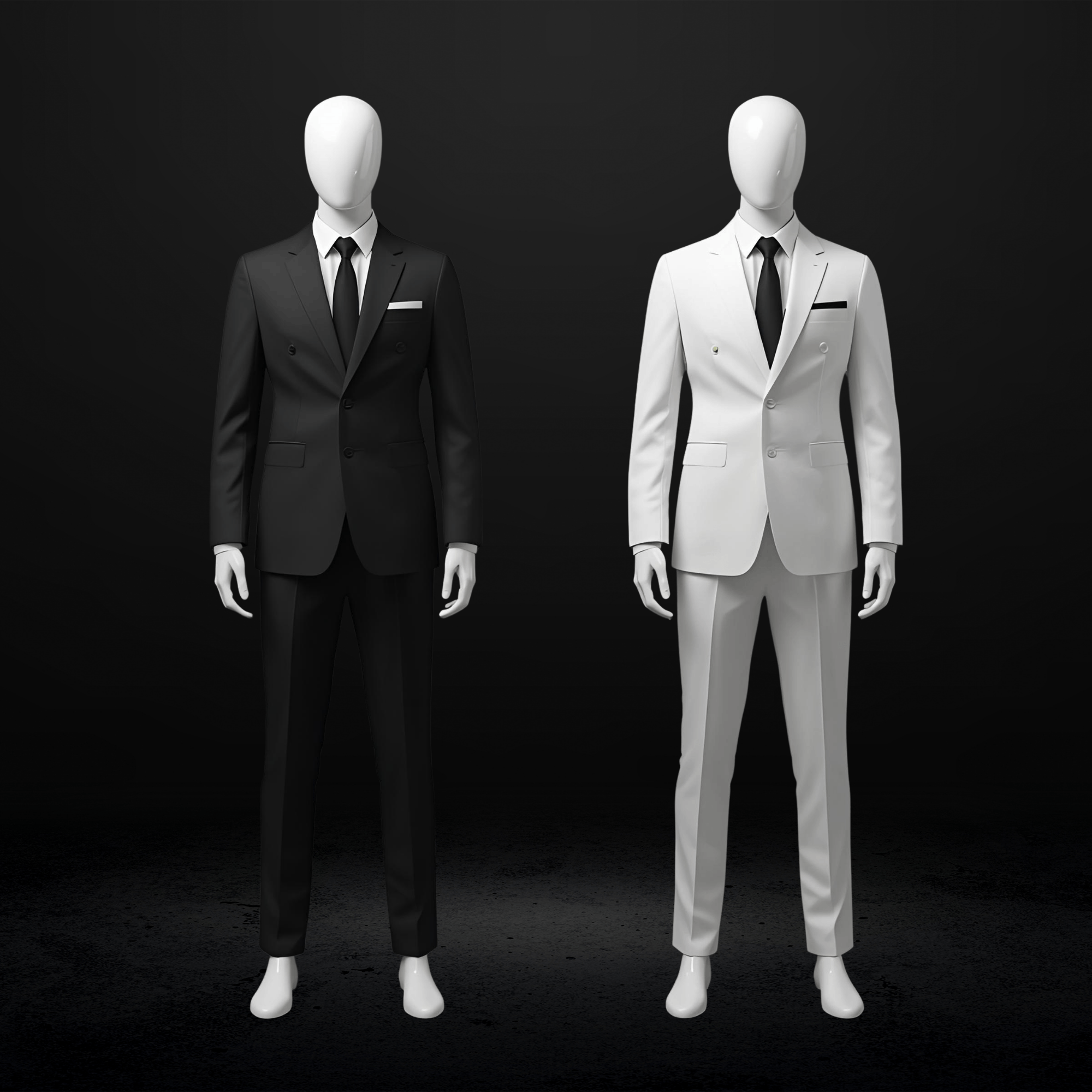
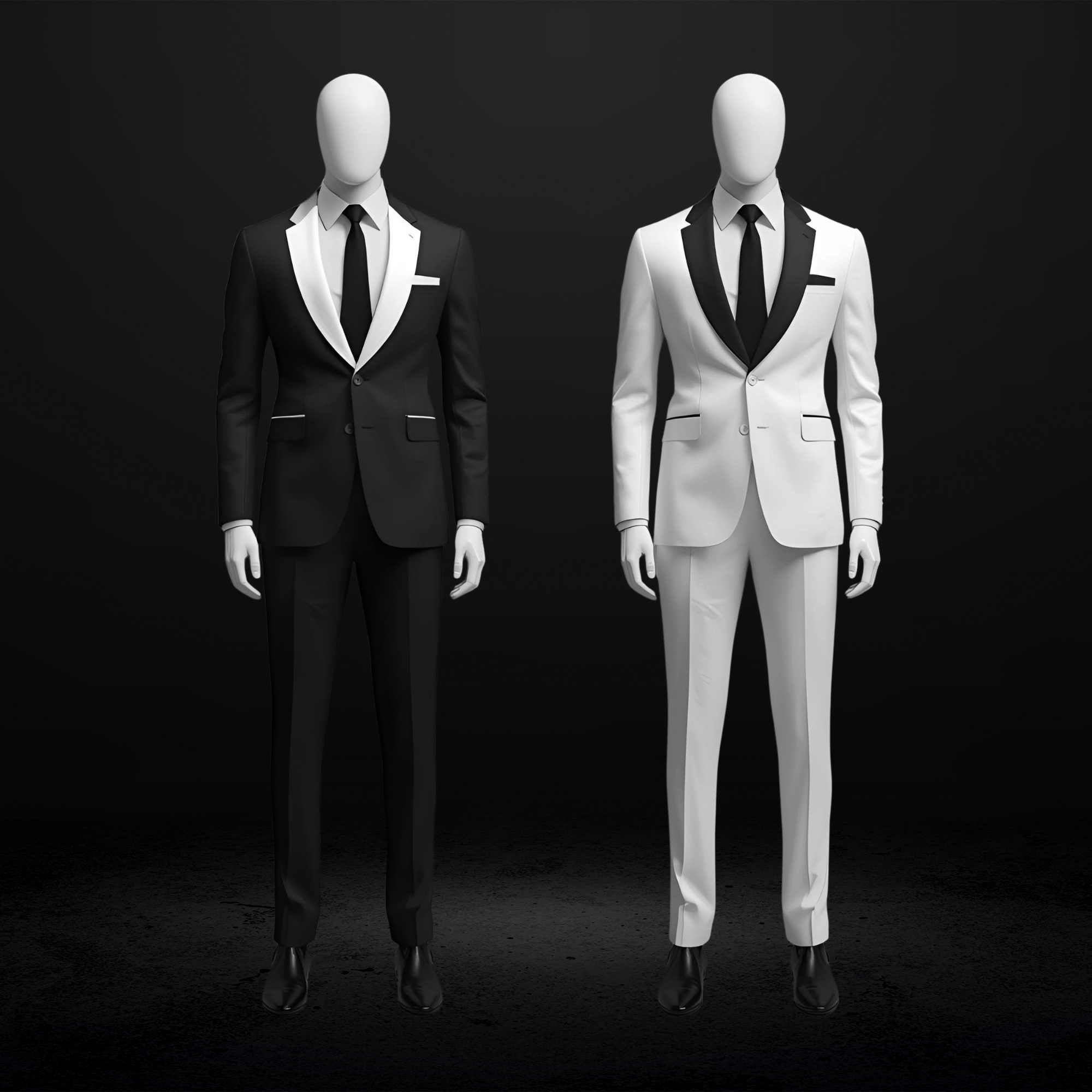
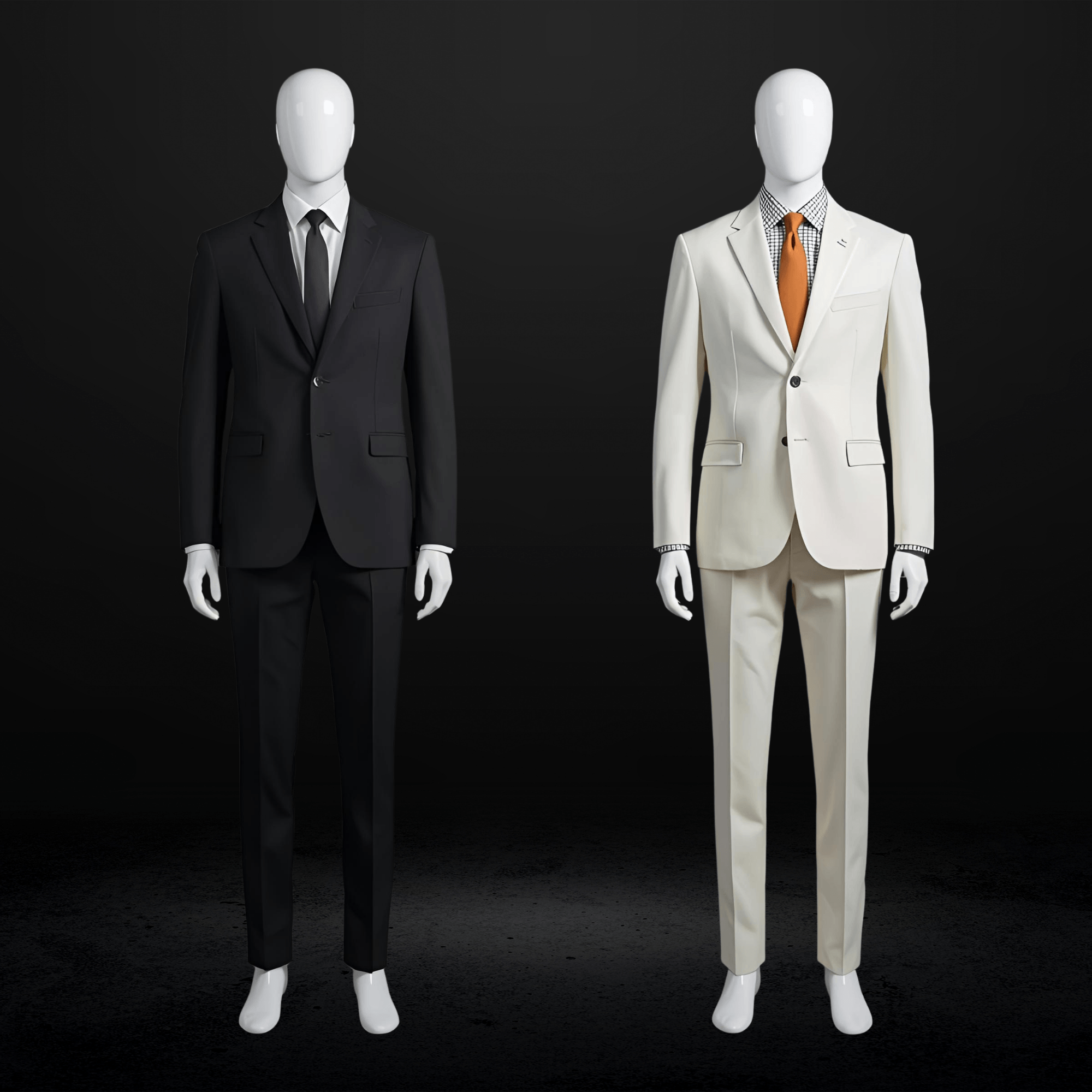
Black suits belong to a specific category of dress: formal evening wear. Think black-tie events, galas, and unfortunately, funerals. When you wear a black suit to a Tuesday morning meeting or a job interview, you’re wearing the wrong uniform. It’s like showing up to a business lunch in a tuxedo.
The problem isn’t that black looks bad. It’s that black communicates the wrong message in daylight business settings. Under office fluorescent lighting or the glare of the sun, a black suit reads as stark, somber, and funereal. It conjures images of pallbearers, not partners.
More practically, black creates a harsh contrast that makes it difficult to pair with shirts and ties. The darkness overwhelms subtle patterns and colors that would complement navy or charcoal beautifully. You end up with fewer outfit combinations and a suit that works in fewer situations.
The experts are unanimous on this point. Every reputable style authority, from traditional menswear publications to modern fashion consultants, agrees: black is not a business suit color. It’s a formal event color that happens to look like a suit.
If you already own a black suit, it’s not worthless. Save it for weddings, formal dinners, and events with explicit dress codes. But don’t count it as part of your professional wardrobe.
The Navy vs. Charcoal Debate
Now the interesting question: If both navy and charcoal work, which should you buy first?
Here’s what the style experts won’t tell you: There’s no right answer. This is genuinely a matter of preference, and anyone who insists one is objectively superior is oversimplifying.
Both colors are equally appropriate for any business environment. Both photograph well. Both pair with a wide range of shirts, ties, and shoes. Both communicate professionalism without being boring.
The differences are subtle but real.
The Case for Navy
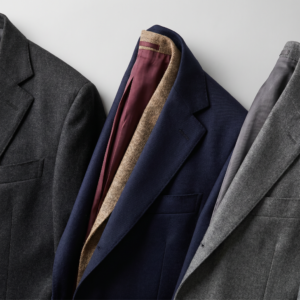
Navy carries associations of trust, reliability, and approachability. Color psychology research published in Frontiers in Psychology found that blue increases quality and trustworthiness appraisals in various contexts. There’s a reason so many corporate logos and professional uniforms feature blue.
In American business culture particularly, navy dominates. It’s the most popular suit color in the country. Wearing navy helps you blend in rather than stand out, which is often exactly what you want in professional settings.
Navy also tends to be more forgiving of different skin tones. Men with fair, medium, or dark complexions can all wear navy successfully. The color’s inherent warmth prevents it from washing out lighter skin the way gray sometimes can.
Shoe versatility is another navy advantage. You can wear black, brown, burgundy, or oxblood shoes with a navy suit and look appropriate. Charcoal limits you more toward black and darker browns.
Navy projects a slightly more youthful energy. If you’re younger and want to avoid looking like you’re playing dress-up in your father’s suit, navy often accomplishes that.
The Case for Charcoal
Charcoal communicates maturity, sophistication, and seriousness. Where navy says “approachable professional,” charcoal says “experienced authority.” This matters in some contexts more than others.
For situations requiring gravitas, charcoal has an edge. Funerals, serious negotiations, or roles where you need to project wisdom rather than energy might benefit from charcoal’s more subdued presence.
Charcoal also works better across international contexts. In European and Asian business cultures, charcoal is sometimes seen as more appropriate than navy, which can read as slightly casual or American. If you conduct business globally, charcoal provides a safer baseline.
The color is technically more versatile for formal occasions. A charcoal suit can transition more naturally to a cocktail party or upscale dinner than navy, which sometimes reads as strictly office wear.
Charcoal pairs better with bolder shirt colors. If you like pink, lavender, or patterned shirts, charcoal provides a neutral backdrop that lets those colors pop without clashing.
The Real Decision
The honest truth is that both choices are excellent. You won’t harm your career by choosing navy over charcoal or vice versa.
Consider these factors:
Your skin tone: Cool undertones often work well with both. Warm undertones might find navy slightly more flattering. If you’re concerned, try on both and assess in natural light.
Your industry: Conservative fields like finance, law, and consulting tend toward charcoal. Creative or client-facing roles often favor navy’s approachability. Tech and startups lean navy when they wear suits at all.
Your existing wardrobe: If you already own a navy blazer, a charcoal suit adds more versatility. If you own gray pants, navy gives you more combinations.
Your personal preference: You’ll wear whichever suit you feel better in more often. That matters more than any style rule.
The Psychology of Suit Colors
Understanding why these colors work helps explain why your choice genuinely matters.
Research on formal clothing shows that what you wear affects not just how others see you but how you think and perform. Studies from Columbia University found that formal clothing enhances abstract cognitive processing, improving broad, big-picture thinking. The researchers found this effect was mediated by feelings of power, and wearing formal clothing consistently affected cognitive processes across multiple experiments.
This matters because a well-fitted suit in the right color creates a positive feedback loop. You feel more authoritative. You think more strategically. Others perceive you as more competent. Those perceptions lead to better outcomes, which reinforce the cycle.
Navy specifically activates associations with trust and stability. Charcoal triggers perceptions of sophistication and expertise. Both are positive associations in professional contexts, which is why both work and black doesn’t.
Black, by contrast, carries associations with formality so extreme it reads as out of place during normal business hours. It doesn’t communicate “polished professional.” It communicates “someone who doesn’t quite understand the code.”
Building a Strategic Suit Wardrobe
Your first suit is just the beginning. Understanding the larger strategy makes each purchase more valuable.
The Second Suit Rule
Whatever you buy first, your second suit should be the opposite color. If you start with navy, add charcoal. If you start with charcoal, add navy.
This isn’t arbitrary. Owning both navy and charcoal doubles your outfit possibilities without doubling your investment. You can now wear different suits on consecutive days. You have options for different types of meetings. You’re prepared for any professional situation.
The Jacket-as-Separates Strategy
Here’s where strategic thinking pays off. A navy suit jacket can work as a blazer with gray trousers. Charcoal trousers can pair with different jackets. Suddenly your two suits have created four or five distinct looks.
This only works if your suits are solid colors without bold patterns. Save pinstripes and windowpanes for your third or fourth suit when you have the basics covered.
The Progression Beyond Two
After navy and charcoal, consider medium gray as your third suit. It’s lighter and slightly less formal, perfect for warmer months or less conservative environments.
Your fourth and fifth suits can get more adventurous: a navy pinstripe for power meetings, a lighter gray for summer, perhaps a subtle pattern like birdseye or nailhead.
But none of that matters until you own navy and charcoal in solid colors. Everything else builds on that foundation.
Fabric Weight: The Hidden Variable
Color gets all the attention, but fabric weight often matters more for practical versatility.
A suit’s weight determines when you can wear it comfortably:
Lightweight fabrics (7-9 oz) work best in spring and summer. These include tropical wools, cotton blends, and linen.
Mid-weight fabrics (9.5-11 oz) function year-round in climate-controlled environments. This is your best choice for a first suit in most situations.
Heavier fabrics (12+ oz) suit fall and winter. Flannel, tweed, and heavy woolens fall into this category.
If you’re buying one suit to maximize versatility, choose a mid-weight wool in navy or charcoal. You can wear it in any season except the hottest summer months. Add lightweight and heavyweight options once your basics are covered.
Industry-Specific Considerations
The “right” color depends partly on where you work.
Conservative Industries
Finance, law, accounting, and traditional corporate environments lean toward charcoal. The color’s seriousness matches the culture. Navy works fine, but you’ll see more gray in the elevator.
In these settings, fit and fabric quality matter more than color innovation. Buy the best charcoal suit you can afford and have it fitted properly.
Client-Facing Roles
Sales, consulting, and advisory roles often benefit from navy’s approachability. You want clients to trust you, and blue helps with that at a subconscious level.
The goal is professionalism without intimidation. Navy strikes that balance better than charcoal for most client interactions.
Creative Industries
Marketing, advertising, design, and media allow more flexibility. Navy is standard, but you can get away with bolder blues, interesting textures, and less traditional cuts.
Even here, black remains wrong for daytime business. Creative doesn’t mean formal evening wear.
Tech and Startups
If you wear a suit in tech, navy is almost always the move. Charcoal can read as overly formal or old-fashioned in casual environments.
That said, many tech environments have moved beyond suits entirely. Know your specific company culture before investing.
Common Mistakes Beyond Color
Color is just one variable. Here are other pitfalls that undermine even the right color choice.
Fit Problems
A navy suit that doesn’t fit properly looks worse than a charcoal suit that does. Fit trumps color every time. If you’re choosing between two suits and one fits better, buy that one regardless of color.
Common fit issues include: shoulders that extend past your natural shoulder point, jacket sleeves that hide your shirt cuffs, chest that pulls when buttoned, and trousers that break too much at the shoe.
Fabric Quality
Cheap fabric in the right color still looks cheap. Polyester blends shine under office lighting in unflattering ways. Thin wool wrinkles by noon. You’re better off with a well-made charcoal suit than a poorly made navy one.
Look for 100% wool or wool blends with high wool content. The fabric should drape smoothly without obvious shine. It should bounce back from light wrinkling when you pinch it.
Poor Coordination
The right suit color with the wrong shirt, tie, or shoes creates dissonance. Navy suits pair with white, light blue, pink, and striped shirts. Charcoal works with those plus bolder colors. Both require dress shoes, not casual footwear.
When starting out, keep it simple. White shirt, solid tie in a complementary color, black or brown leather shoes. Add complexity once you understand the basics.
The Made-to-Measure Advantage
Here’s where the color question becomes simpler.
When you buy off the rack, you’re choosing between whatever options exist in your size. Maybe they have the navy you want but not the charcoal. Maybe the charcoal fits better than the navy. The decision gets made for you by availability.
Made-to-measure business suits eliminate those constraints. You choose the exact color you want. You choose the fabric weight. You get the fit right from the start instead of paying for alterations that may not fix fundamental issues.
More importantly, a custom suit consultation can help you make the color decision based on your specific situation. Your skin tone, your industry, your existing wardrobe, your goals for the suit. All of that factors into a recommendation that’s actually personalized.
The color that’s right for you might not be the color that’s right for someone else. Generic advice can only go so far.
Frequently Asked Questions
Can I wear a black suit to a job interview? No. Unless you’re interviewing for a role at a funeral home or formal events company, black reads as tone-deaf. Wear navy or charcoal.
Is navy too casual for conservative industries? No. Navy is standard in every industry. The formality comes from fit, fabric, and styling, not from choosing charcoal over navy.
Should I match my suit color to my eye color? This is overthinking it. Both navy and charcoal work with any eye color. Focus on overall coordination, not one-to-one matching.
Can I wear brown shoes with a charcoal suit? Yes, though darker browns work better than lighter tans. The contrast between charcoal and medium brown can look intentional and stylish.
Is a black suit ever appropriate? Yes, for black-tie events, formal evening occasions, and funerals. Not for regular business wear.
Should I buy the same color suit from different brands? Be careful here. “Navy” and “charcoal” vary between brands. If you want multiple suits in the same color, try to find the exact same shade or embrace slight variation intentionally.
Does suit color matter for video calls? Yes. Navy tends to appear more vibrant on camera, while charcoal can photograph darker or flatter depending on your lighting setup. Test your specific camera and lighting before important calls.
What if I already own a black suit? Keep it for appropriate occasions but don’t count it as part of your business wardrobe. Your next purchase should be navy or charcoal.
Is medium gray a good first suit? No. It’s excellent as a third or fourth suit but reads as less formal than navy or charcoal. Start with the darker foundation colors.
How many suits do I need? For occasional wear, one good navy or charcoal suit is sufficient. For daily wear, aim for at least three suits to allow rotation and reduce wear.
The Bottom Line
Color matters, but not in the way most people think.
Navy and charcoal are both correct choices. The debate between them is largely a matter of personal preference, skin tone, and industry context. Either color, in quality fabric with proper fit, will serve you well in any professional situation.
Black is wrong for business. Full stop. This isn’t opinion or personal preference. It’s how professional dress codes actually work. A black suit in a business meeting marks you as someone who doesn’t understand the code.
Beyond that, fit matters more than color. Fabric matters more than color. A well-fitted charcoal suit looks better than a poorly-fitted navy one. Don’t let color anxiety distract you from the fundamentals.
Your Next Step
If you’ve read this far, you understand the decision isn’t as simple as picking a color off a rack and hoping for the best. Your specific situation, your body, your industry, and your goals all factor into the right choice.
The easiest way to get this right is to work with someone who can evaluate all those factors together.
Schedule your consultation for custom suits in Kansas City and take the guesswork out of building a professional wardrobe.
What you get:
- Expert guidance on color selection based on your skin tone and industry
- Precise measurements for fit that flatters from day one
- Mobile fitting services that work around your schedule
- A suit built specifically for your proportions, not adapted from a standard pattern
The difference between a suit that works and a suit that works for you is personalization. Once you’ve experienced it, generic advice from the internet won’t seem like enough.