Suit prices range from a couple hundred dollars at a big-box retailer to several thousand at a bespoke tailor, and most men have no idea why. The honest answer is that you are paying for four things: the fabric, the internal construction, the hours of skilled labor, and the precision of the fit. This guide breaks each one down in plain language so you can shop with confidence and know exactly where your money goes when you invest in a quality suit in Kansas City.
TLDR: A suit’s price comes down to four factors: fabric quality, internal construction, labor hours, and fit precision. Fused suits are cheaper to make but break down over time, while canvassed suits can last a decade or more. Higher Super numbers feel softer but are not always better for daily wear. Read on so you can buy on value, not just on the sticker price.
The Sticker Shock Is Real
Walk into a budget retailer and you can find a suit for a couple hundred dollars. Walk into a quality tailor and a comparable made-to-measure suit costs noticeably more. Step into a true bespoke house and a single jacket and trouser combination can run into the thousands.
That spread is confusing for most men, and frankly, the suit industry does not always do a good job of explaining it. Marketing talks about “quality” and “craftsmanship” without ever showing you what those words actually mean.
This guide pulls the curtain back. We have been fitting and building suits for Kansas City professionals, grooms, and prom-goers for years, and the truth is that almost every dollar of price difference comes down to four specific things. Once you know what they are, you can buy smarter.
The Four Cost Drivers of Every Suit
1. The Fabric
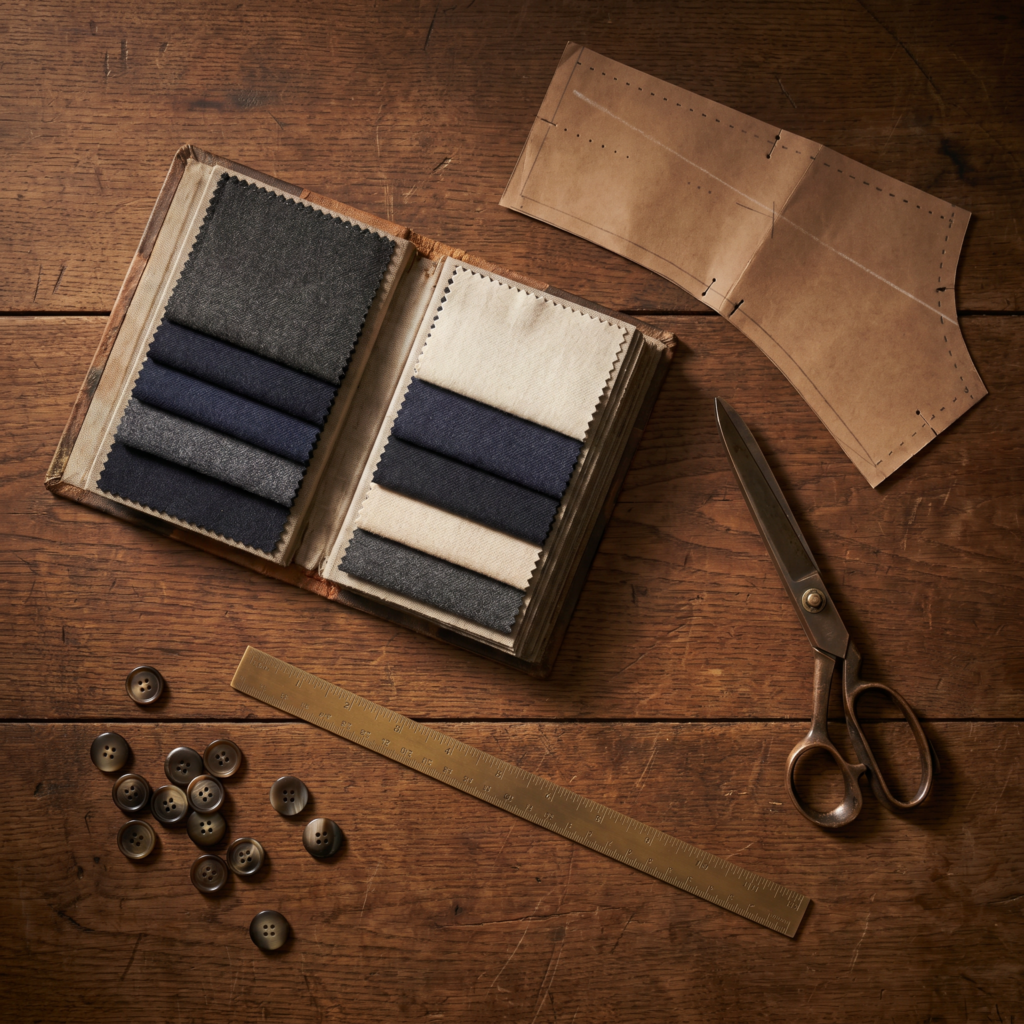
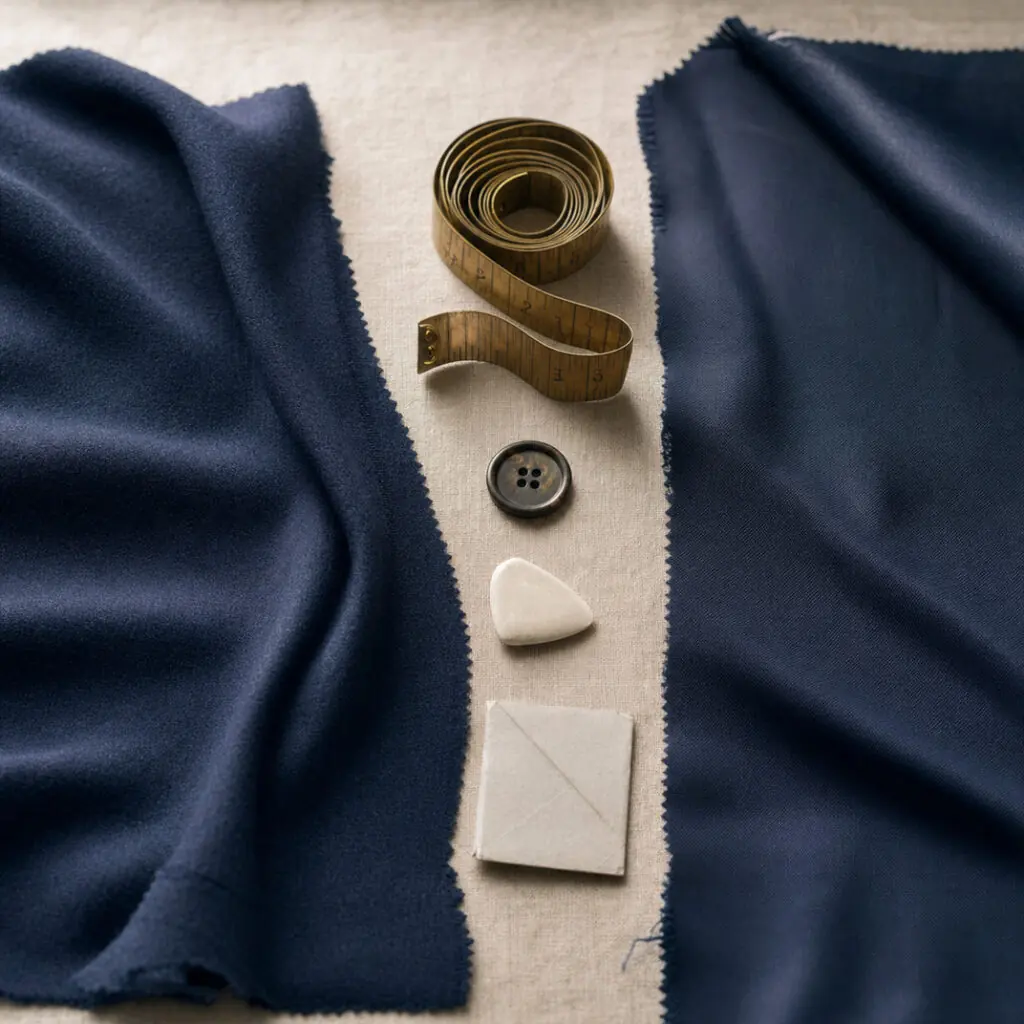
Fabric is the single biggest variable in suit pricing. Mass-production cloth and top-tier Italian or British mill cloth can differ in cost by several times over, and that difference shows up in three ways.
Fiber quality. Premium suits use long-staple wool, often Australian Merino, the same raw fiber the luxury mills in Italy and England draw from. Cheaper suits use shorter-staple wool, wool blends, or synthetics like polyester. Long fibers create smoother yarns, which create smoother and more durable cloth.
Yarn fineness. This is what “Super 100s,” “Super 120s,” and “Super 150s” actually mean. The Super number refers to the fineness of the wool fiber. Higher numbers mean finer, softer fibers and a more luxurious hand, but they also mean a more delicate fabric. Super 110s to Super 130s is the sweet spot for daily-wear suits. Super 150s and above feel incredible but wrinkle faster and wear out sooner, so they suit occasion wear better.
Mill heritage. A fabric from a mill with a long reputation costs more, period. You are paying for consistency, dye depth, finishing, and some brand prestige. The good news is that quality mills supply a wide range of price points within their own catalogs, so a tailor who knows the catalog can find you real Italian wool at a reasonable price.
2. The Internal Construction
This is the cost driver almost nobody talks about, and it makes the biggest difference in how a suit ages. Inside every jacket is an interlining that gives the chest and lapels their shape. There are three ways to attach it.
Fused construction. A layer of synthetic interlining is glued to the outer fabric with heat-activated adhesive. This is fast, cheap, and standard in almost every entry-level off-the-rack suit. The problem is that the glue eventually breaks down. After a few dry cleanings or a few years of wear, you can get “bubbling,” where the fabric separates from the interlining and the chest develops visible ripples. There is no fix once it happens.
Half-canvas construction. A natural interlining of horsehair and wool is sewn into the chest and lapel area, with fusing used in the lower jacket. This gives you the drape and longevity of canvas where it matters most while keeping the price reasonable. Half-canvas is the practical sweet spot for most men.
Full-canvas construction. A canvas interlining runs the entire front of the jacket from shoulder to hem. The jacket drapes beautifully, conforms to your body over time, and lasts many years with proper care. Full canvas costs more upfront, but the cost per wear is often lower for men who wear suits regularly. Our guide on how to spot half-canvas, full-canvas, and fused quality in Kansas City shows you exactly what to look for.
You can usually tell which construction you are looking at with the “pinch test.” Pinch the front of the jacket about two inches above the bottom button and try to separate the layers. If you feel a distinct third layer floating between the outer and inner fabric, that is canvas. If the layers feel glued together, that is fusing.
3. The Labor Hours
This is where the four-figure price tags come from on bespoke suits.
A fully machine-made suit can be assembled in roughly 90 minutes of factory labor. A standard made-to-measure suit takes several hours of skilled work. A high-end bespoke suit can absorb dozens of hours of handwork. Those hours go into details like these.
Handmade buttonholes. A machine stitches a buttonhole in seconds. A skilled tailor takes far longer per buttonhole, and the result is a raised, silk-corded edge that looks and feels completely different. On a true bespoke jacket, you also get working buttonholes at each sleeve cuff, so the buttons actually unfasten.
Pick stitching. That subtle line of stitching you sometimes see along the lapel edge is pick stitching. Hand-done pick stitching is slightly irregular, flexible, and refined. Machine pick stitching is uniform and stiff. The hand version signals that someone finished the suit properly.
Hand-attached collar and lining. A hand-sewn collar moves with your neck instead of standing rigid. A hand-attached lining hangs cleaner and lasts longer. You do not see these details, but you feel them every time you wear the jacket.
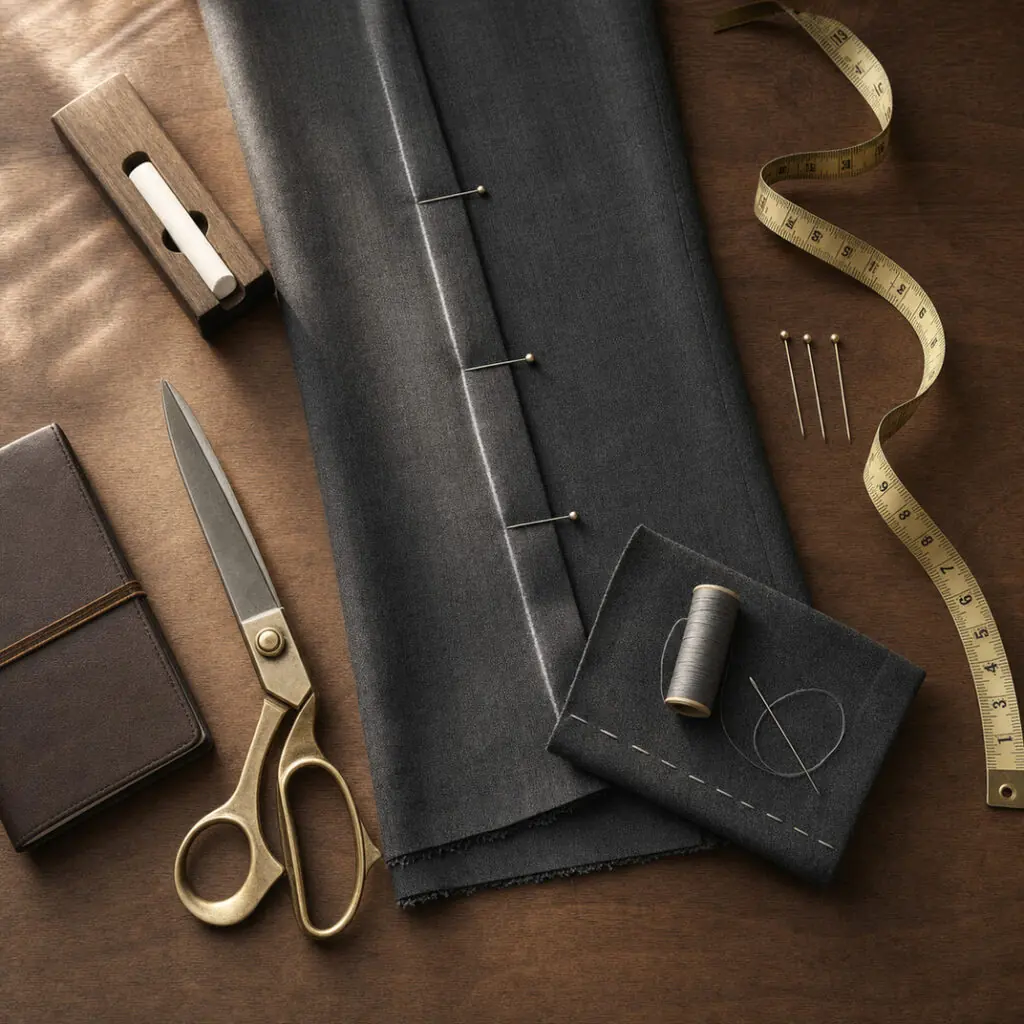
Hand-set sleeves and armholes. This is the one that changes the wear experience the most. A hand-set armhole is cut higher and sewn with give, so you can raise your arms without the whole jacket riding up. Machine-set armholes are faster and cheaper, but the jacket pulls and bunches when you move.
Want to see how this plays out in a real build? Explore our our services page - it walks through fabrics, construction, and what to expect at your first appointment.
4. The Fit Precision
The last cost driver is how precisely the suit is built to your body.
Off-the-rack suits are built to a generalized size chart. A 42 Regular is the same 42 Regular whether you are 5 feet 10 inches or 6 feet tall, slim through the chest or muscular through the shoulders. You take what fits closest and then pay an alterations tailor to make it work.
Made-to-measure suits start with a base pattern that gets adjusted to your specific measurements. Basic programs adjust a handful of measurements. Better programs adjust fifteen or more. The result fits dramatically better than off-the-rack and costs less than bespoke.
Bespoke suits are built from a pattern drafted entirely from your measurements, with multiple fittings during construction. There is no base pattern, just your body translated into cloth. This is the most expensive option because it is the most labor-intensive.
For most men in Kansas City, made-to-measure is the right answer. You get a precise fit, real fabric choices, and meaningful construction options without the bespoke price tag.
What You Are Really Paying For at Each Price Point
Prices shift with fabric, mill, and where the suit is made, so treat these as relative tiers rather than fixed quotes.
- Entry: What you typically get: Fused construction, polyester or wool-blend fabric, off-the-rack sizing; Best for: One-time occasion, very tight budget
- Lower-mid: What you typically get: Fused or half-canvas, entry-level wool, basic MTM adjustments; Best for: Occasional wear, first suit
- Mid: What you typically get: Half-canvas or full-canvas, mid-tier Italian wool, full MTM; Best for: Regular wear, weddings, professional wardrobe
- Upper-mid: What you typically get: Full-canvas, premium Italian or British wool, extensive handwork; Best for: Daily wear, executive wardrobe, statement suits
- High: What you typically get: Bespoke construction, top-tier mills, many hours of handwork; Best for: Connoisseur level, lifetime garments
For a closer look at how our own pricing breaks down by tier, see our transparent custom suit cost breakdown for Kansas City.
A Real-World Example
A Kansas City attorney came to us last spring needing a courtroom wardrobe rebuild. He had been buying inexpensive fused suits and replacing them every eighteen months or so because the lapels were bubbling and the trousers were wearing through at the seat.
We built him two half-canvas made-to-measure suits in a Super 110s Italian worsted wool, one charcoal and one navy. The per-suit cost was higher than what he had been paying, but we did the math together. His old approach carried a steady replacement cost every year and a half. The new suits, with proper rotation and care, should last close to a decade. The cost per year drops meaningfully, and he looks dramatically better in court.
That is the math that matters. Not the sticker price, but the cost per wear and the cost per year.
Pro Tip From The Suit Doctor
Do not chase the highest Super number you can afford. A Super 150s suit feels luxurious in the showroom, but if you wear suits four days a week, it will wrinkle and wear out faster than a Super 110s. Buy the construction quality, not the fiber count. A half-canvas Super 110s will outlast a fused Super 150s every single time.
Frequently Asked Questions
Are expensive suits really worth it? For men who wear suits regularly, yes. A well-constructed suit lasts many years, drapes better, breathes better, and looks better as it ages. For men who wear a suit twice a year, a mid-range option makes more sense.
How can I tell if a suit is fused or canvassed? Use the pinch test. Pinch the front of the jacket two inches above the bottom button and try to separate the outer fabric from the lining. If you can feel a third, floating layer in the middle, that is canvas. If everything feels stuck together, it is fused.
What is the cheapest way to look like I am wearing an expensive suit? Spend your money on fit before anything else. A modest suit that fits perfectly will always look better than a pricey suit that fits poorly. This is why made-to-measure usually beats buying a brand name off the rack.
When you're ready to put this into practice, you can book a mobile fitting at your home or office with Brandon and get measured in person.
Is Italian fabric always better than American or Asian fabric? Not always, but generally yes in the price tiers we are discussing. Italian and British mills have centuries of fabric expertise and source the best raw fibers, mostly Australian Merino wool. Other mills produce competent fabric, but the top tiers of suiting cloth still come from Italy and England.
Why do some suits have visible stitching on the lapels? That is pick stitching, and on a quality suit it is hand-done. It is both a finishing detail and a small signal that the suit contains handwork. Machine pick stitching exists too but looks uniform and flat next to the slightly irregular hand version.
How long should a quality suit last? A well-cared-for half-canvas or full-canvas suit should last many years of regular wear. Fused suits typically start showing wear within a few years. Rotation matters too. A suit you wear once a week will last far longer than one you wear three times a week.
What does “bespoke” actually mean? Bespoke means a suit built entirely from a pattern drafted from your individual measurements, with multiple in-progress fittings. It is the highest tier of custom tailoring. Made-to-measure starts with a base pattern that gets adjusted, which is different and less expensive.
Should I buy a cheap suit or save up for a better one? If you only need a suit for one event, a less expensive option is fine. If you wear suits regularly, save up. The cost-per-wear math favors the better-made suit when you actually use it.
Do I need to dry clean my suit after every wear? No, and you should not. Dry cleaning chemicals break down wool fibers and the adhesive in fused suits. Brush your suit after each wear, hang it on a proper wooden hanger, and dry clean only when it actually needs it, usually two to four times a year.
Why does the same brand sell suits at very different prices? Different fabrics, different construction methods, different countries of manufacture. The budget version is almost always fused and made in a high-volume factory. The premium version is usually half- or full-canvas, made with better fabric, and often produced in Italy or Portugal.
Key Takeaways
- Four things drive suit pricing: fabric, construction, labor, and fit precision.
- Fused suits are cheaper but fail sooner. Canvassed suits can last a decade or more.
- Italian and British mill fabrics cost more because they use better fibers and finishing.
- Handwork shows up in feel. Buttonholes, the collar, the armhole, and the lining add hours of skilled labor.
- Made-to-measure is the right balance for most Kansas City men.
- Value is cost per wear, not the sticker price.
Ready to Buy a Suit That Actually Lasts
You now understand what separates a two-year suit from a ten-year suit, and why the sticker price only tells part of the story. The next step is talking through what level of construction makes sense for how you actually wear suits.
The Suit Doctor helps Kansas City men buy on value, not hype.
- Honest guidance on fabric mills, construction, and price tiers
- Custom and made-to-measure suits for business, weddings, and prom
- Convenient mobile fittings throughout the Kansas City metro
- A streamlined, expert-guided process with no sales pitch
Ready to get started? Book your custom suit consultation in Kansas City and let’s build something that earns its place in your closet.
The Suit Doctor | Custom and Made-to-Measure Suits for Men Who Take Their Look Seriously.
Get measured for a suit built around how you actually live.
See what's included in a Suit Doctor build.