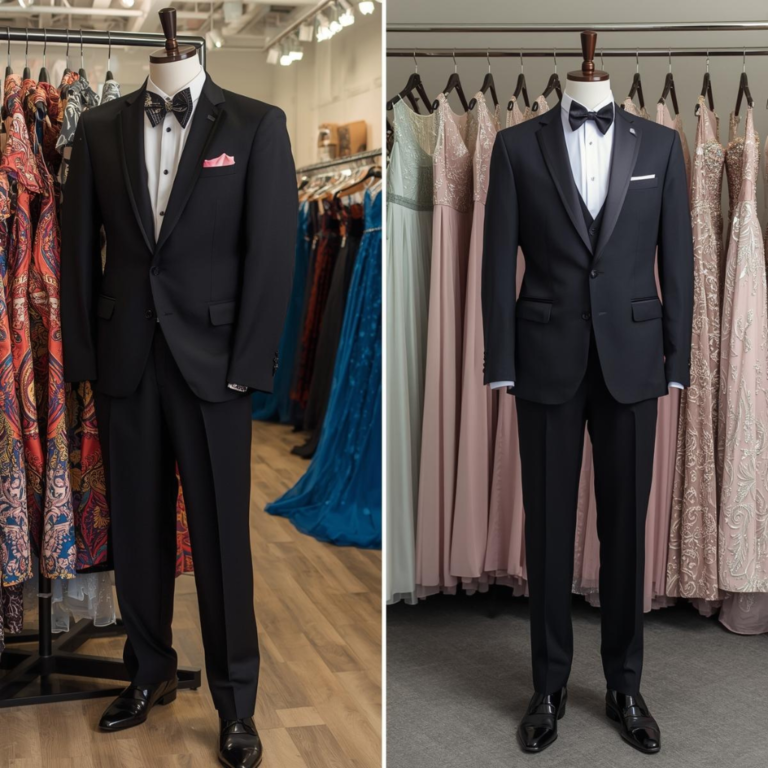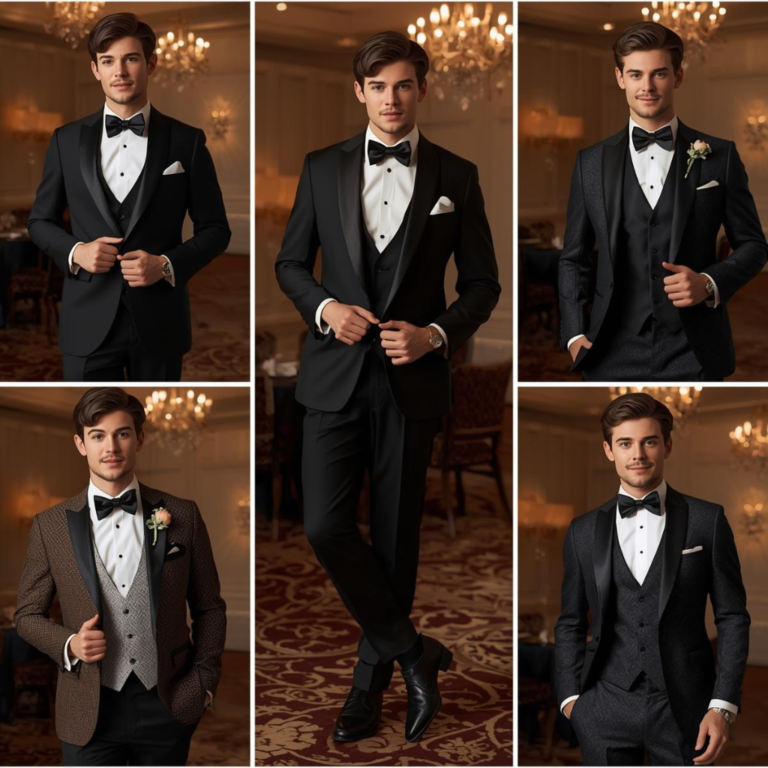

You just got engaged. The venue is booked, the date is set, and somewhere on your growing to-do list is “figure out what to wear.” But when exactly should you start thinking about your wedding suit? And how do you coordinate an entire wedding party without losing your mind?
These questions keep grooms up at night. Start too late and you’re scrambling for alterations the week before the wedding. Start too early and you might face weight changes that throw off the fit. And then there’s the challenge of getting four to eight groomsmen measured, ordered, and fitted when half of them live in different cities.
The good news: wedding suit timing follows predictable patterns. Whether you’re planning nine months out or facing a compressed timeline, there’s a path forward. This guide breaks down exactly when to order, when to fit, and how to coordinate your entire wedding party without the stress.
TLDR: For custom suits, start 6 to 9 months before your wedding. The absolute minimum is 3 to 4 months for made-to-measure options. Rentals need 2 to 3 months minimum. Schedule your first fitting 4 to 6 months out, your second fitting 6 to 8 weeks out, and your final fitting 2 to 4 weeks before the wedding. For groomsmen coordination, designate one person as the point of contact and use group messaging to keep everyone on track.
Why Timing Matters More Than You Think
According to wedding planning timeline research, the average engagement length is 15 months, with most couples beginning serious planning about 12 months before the wedding. Yet groom attire often gets pushed to the bottom of the list while venue, catering, and photography take priority.
This delay creates problems. Custom suits require production time. Alterations require multiple fittings. Groomsmen require coordination. And peak wedding seasons create bottlenecks at tailors and rental shops alike.
The couples who report the smoothest wedding day experiences? They’re the ones who locked in their attire early, leaving room for adjustments without panic. Research confirms that wedding planning stress research peaks around budget and timeline concerns, and rushing attire decisions only compounds that pressure.
The Real Cost of Waiting
Rushing your wedding suit timeline creates cascading consequences:
Limited fabric options: Popular fabrics sell out during peak seasons. Starting late means choosing from whatever’s available rather than what you actually want.
Compressed fittings: Multiple fittings spaced over weeks produce better results than cramming everything into days. Your tailor needs time to make adjustments and you need time to evaluate them.
Rush fees: Most tailors charge premium rates for expedited service. A suit that costs $1,200 with normal timing might run $1,500 or more when rushed.
Stress multiplication: Wedding planning already generates enough anxiety. Adding last-minute suit panic to the mix benefits no one.
Groomsmen chaos: Your friends have their own schedules. The more time you give them, the more likely everyone shows up properly fitted.
The Ideal Timeline: 6 to 9 Months Out
If you have the luxury of time, this is the timeline that produces the best results with the least stress.
6 to 9 Months Before: Research and Decision Phase
This is exploration time. You’re not committing yet. You’re gathering information.
Determine your wedding style. Your suit should match the overall aesthetic. Beach wedding? Garden party? Black-tie ballroom? The formality level drives fabric choice, color selection, and whether you’re looking at suits or tuxedos.
Research your options. Visit a few clothiers to understand the difference between off-the-rack, made-to-measure, and bespoke. Handle different fabrics. Try on different styles. Learn what works for your body type.
Set your budget. Wedding suits range from $200 rentals to $5,000+ custom pieces. Know what you can spend before you fall in love with something outside your range. Factor in alterations, accessories, and anything you’re covering for groomsmen.
Consider coordination. Will groomsmen match exactly or coordinate with slight variations? Will they rent or purchase? Who’s paying for what? These decisions affect vendor selection.
Consult your partner. This seems obvious, but too many grooms operate in isolation. Your partner has opinions about the overall wedding aesthetic. Make sure your vision aligns.
4 to 6 Months Before: Ordering Phase
Now you’re ready to commit. This is when the actual timeline begins.
Schedule your consultation. Most custom clothiers begin with a detailed consultation covering style preferences, fabric selection, and precise measurements. For a wedding suit consultation in Kansas City, this appointment typically takes 60 to 90 minutes.
Select your fabric and style. Commit to your choices. For custom suits, production begins once you finalize these decisions. Changing your mind later may mean starting over.
Get measured. A proper fitting involves 20 to 30 measurements plus notes on posture, shoulder slope, and body proportions. These measurements drive the entire construction process.
Place your order. Custom suits typically require 4 to 8 weeks of production time. Some tailors offer expedited options, but standard timing produces better results.
Communicate with groomsmen. Once you’ve selected the look, share details with your wedding party immediately. Send links, color swatches, and clear instructions. Set a deadline for them to complete their orders.
2 to 3 Months Before: Production and Second Fitting
Your suit is being constructed. This phase requires patience and proactive communication.
Track production status. Stay in contact with your clothier. Most will provide updates, but don’t hesitate to check in if you haven’t heard anything in a couple weeks.
Schedule your second fitting. This appointment (sometimes called a “baste fitting” for bespoke suits) allows you to try on the partially constructed garment. The tailor assesses fit and makes adjustments before final construction.
Evaluate critically. Don’t approve anything that doesn’t feel right. This is the time to address concerns. Shoulder alignment, chest fit, trouser break, jacket length. If something seems off, speak up.
Follow up with groomsmen. By now, everyone should have ordered. If anyone is lagging, apply appropriate pressure. The group text exists for this purpose.
4 to 6 Weeks Before: Final Fitting and Adjustments
Your suit is nearly complete. This phase fine-tunes everything.
Attend your final fitting. Bring the shoes you’ll wear on the wedding day. Trouser length depends on heel height. Bring your dress shirt too so the tailor can check sleeve length.
Test movement. Sit down, raise your arms, button the jacket, reach across your body. You’ll be hugging relatives, dancing, and posing for photos. The suit needs to accommodate all of it.
Verify accessories. Confirm that ties, pocket squares, cufflinks, and other accessories work with the final garment. This is easier to fix now than the night before.
Collect or confirm delivery. Know exactly when and how you’ll receive the finished suit. If it’s being shipped, build in buffer time for potential delays.
1 to 2 Weeks Before: Final Preparations
The suit is done. Now you’re confirming everything is ready.
Try everything on together. Full dress rehearsal. Suit, shirt, shoes, accessories. Make sure you know how everything goes together.
Check for issues. Look for loose threads, missing buttons, stains, or damage. Address problems immediately.
Plan for wedding day. Know where the suit will be stored, who’s responsible for bringing it, and where you’ll be getting dressed. Coordinate with your photographer for getting-ready shots.
Steam or press if needed. A few days before the wedding, steam out any wrinkles from storage. Do not use a standard iron directly on wool fabric.
The Compressed Timeline: 3 to 5 Months
Sometimes life doesn’t cooperate. Engagements happen, dates get moved, or you simply got busy. A 3 to 5 month timeline is workable but requires efficiency.
What Changes
Fabric selection narrows. You’re limited to in-stock options or fabrics with fast delivery times. Some specialty cloths won’t arrive quickly enough.
Fittings compress. Instead of leisurely appointments spaced weeks apart, you might need fittings scheduled back-to-back within days.
Rush fees likely. Expect to pay a premium for expedited production. Budget an additional 15 to 25 percent.
Less room for error. If something goes wrong, there’s minimal time for corrections. This makes choosing an experienced clothier even more critical.
Making It Work
Be decisive. Indecision kills compressed timelines. Come prepared to make choices quickly.
Communicate urgency. Tell your clothier your wedding date immediately. They’ll advise what’s realistically achievable.
Choose established options. This isn’t the time for experimental fabrics or unusual styling. Stick with proven choices your clothier has produced successfully before.
Over-communicate with groomsmen. Set firm deadlines with consequences. “Order by this date or you’re on your own” may sound harsh, but it works.
The Emergency Timeline: 4 to 6 Weeks
Under two months? You’re in emergency territory. Options narrow significantly, but you’re not without hope.
Custom Options
Some tailors offer expedited production in as little as 2 to 3 weeks, though this typically involves:
Higher costs: Rush fees of $100 to $300 or more Limited alterations: Less time for multiple fitting rounds Restricted choices: Only immediately available fabrics
If pursuing custom suits on a compressed timeline, work with Kansas City groom suit experts who have experience with rush orders and can clearly communicate what’s achievable.
Rental Approach
For truly last-minute situations, rentals remain viable down to about 10 to 14 days before the wedding.
Online rental companies like Generation Tux or The Black Tux can deliver suits within two weeks of ordering. They use algorithm-based sizing, which works reasonably well for average body types.
Local rental shops may offer even faster turnaround, though selection varies by location.
Key trade-offs: Rental suits fit “good enough” rather than perfectly. You’re wearing something many people have worn before. And you’re returning it afterward rather than keeping a garment you own.
Realistic Expectations
Emergency timelines require accepting compromises. The suit that arrives may not be exactly what you envisioned. Fit might be acceptable rather than exceptional. You may not have time to coordinate groomsmen as thoroughly as you’d like.
This is okay. Your wedding will still happen. Your partner still wants to marry you. The photos will capture the joy of the day, not the precise drape of your jacket.
Groomsmen Coordination: The Logistics
Getting yourself suited is one thing. Coordinating 4 to 8 other people with their own schedules, body types, and attention spans is another challenge entirely.
The Point Person Strategy
Designate one groomsman as the coordinator. This person handles communication, tracking, and gentle harassment of stragglers. Ideally, choose someone organized, responsive, and geographically close to you.
The coordinator’s responsibilities:
Maintain the group thread: Create a dedicated channel for suit-related communication. Track progress: Know who’s ordered, who’s fitted, and who’s still dragging their feet. Answer questions: Handle basic inquiries so you’re not fielding the same questions repeatedly. Escalate problems: Bring issues to you only when they require your attention.
The Communication Framework
Clear communication prevents the chaos that derails groomsmen timeline and responsibilities from getting completed on time.
Initial announcement (5 to 6 months out): Share the vision, the vendor, the expected cost, and the process. Include all relevant links and instructions.
First deadline (4 months out): Everyone should have completed measurements and placed orders by this date.
Progress check (3 months out): Confirm all orders are placed and in production.
Fitting reminders (6 to 8 weeks out): Push everyone to schedule and attend their fittings.
Final confirmation (2 weeks out): Verify everyone has their complete outfits.
Out-of-Town Groomsmen
Geographic distance complicates coordination but doesn’t make it impossible.
Remote measurement options: Many online made-to-measure companies provide measurement guides for self-measuring at home. Accuracy varies, but the technology has improved significantly.
Local tailor partnerships: Some clothiers partner with tailors in other cities for measurements. Ask your vendor if this option exists.
Trip coordination: If groomsmen will visit before the wedding anyway (bachelor party, pre-wedding events), schedule fittings during those trips.
Ship early and verify: For out-of-town groomsmen receiving suits by mail, ship at least two weeks early. They should try everything on immediately and report any issues.
When Someone Drops the Ball
Despite your best efforts, someone will miss a deadline, skip a fitting, or wait until the last minute. Have contingency plans:
Rental backup: Keep a rental option available for anyone who can’t get their act together. Alteration buffer: Build extra time into the schedule so last-minute issues can still be addressed. Mismatched acceptance: If one groomsman ends up slightly different, the world won’t end. Photographs capture moments, not perfect uniformity.
Peak Season Considerations
Wedding seasons create bottlenecks. Tailors, rental shops, and alterations specialists all experience surges during popular periods.
When Demand Peaks
February through May: Spring wedding planning hits peak intensity. September through November: Fall weddings dominate. December: Holiday engagements flood the market with new couples.
During these windows, everything takes longer. Consultations book out further. Production queues extend. Alterations appointments fill quickly.
Strategic Adjustments
Add buffer time: If your wedding falls during peak season, start 1 to 2 months earlier than the standard timeline suggests.
Book appointments early: Schedule consultations and fittings as soon as possible, even if the actual dates seem far off.
Consider off-peak vendors: Some skilled tailors operate in less competitive markets or take fewer wedding clients. They may offer better availability.
Communicate your date clearly: Vendors need to know your deadline to prioritize appropriately.
Special Circumstances
Life rarely follows simple templates. Real wedding planning involves complications.
Weight Changes
This is increasingly common, particularly with the rise of GLP-1 weight loss medications. If you’re actively losing weight during the engagement period:
Delay ordering if possible. Wait until your weight stabilizes before committing to a suit.
Schedule fittings later. Push the final fitting as close to the wedding as feasible while still allowing time for alterations.
Communicate with your tailor. Let them know you’re expecting changes. A skilled clothier can build in adjustment room or plan for alterations.
Know the limits. Most alterations can accommodate 1 to 2 sizes of change. Beyond that, you may need a new suit entirely.
Destination Weddings
Getting married somewhere other than where you live adds logistical layers.
Carry-on when possible. Suits can wrinkle or get lost in checked luggage. Use a quality garment bag and carry it on the plane.
Arrive early. Give yourself at least a day before the wedding to unpack, steam, and address any issues.
Identify local resources. Research alterations tailors and dry cleaners at your destination in case of emergencies.
Have groomsmen transport their own. Each person is responsible for getting their suit to the destination intact.
Multiple Events
Some weddings span multiple days with different dress codes (rehearsal dinner, ceremony, reception, brunch). You might need multiple outfits.
Prioritize the ceremony. If budget forces choices, invest most heavily in what you’ll wear for the main event and professional photos.
Coordinate across events. Accessories can transform a single suit for different levels of formality.
Plan storage and transportation. Know where each outfit will be and how it gets there.
Month-by-Month Reference Chart
Here’s a condensed timeline you can reference at a glance:
9 months out: Begin research. Explore options. Determine budget.
6 months out: Schedule consultation. Select fabric and style. Place order.
5 months out: Groomsmen should have received details and begun their process.
4 months out: All groomsmen orders should be placed. Track production.
3 months out: Second fitting (for custom suits). Check groomsmen progress.
6 to 8 weeks out: Final fitting. Address any remaining adjustments.
4 weeks out: Groomsmen fittings complete. All suits in hand.
2 weeks out: Full dress rehearsal. Verify everything works together.
1 week out: Final check. Steam and prepare. Confirm day-of logistics.
Wedding day: Get dressed. Get married. Enjoy.
Common Questions
What if I gain weight after ordering?
Suits can be let out slightly if fabric allows. Discuss this possibility with your tailor when ordering. Some fabrics include more seam allowance specifically for this purpose.
Should groomsmen buy or rent?
If they’ll wear the suit again and can afford it, buying makes sense. If the style is specific to your wedding or budget is tight, renting works fine. A coordinated rental group often looks cleaner than mismatched purchases.
Can I use a suit I already own?
Potentially. Have it professionally evaluated for fit and condition. Alterations can update the silhouette. Cleaning and pressing can refresh appearance. But be honest about whether it actually works for the occasion.
What if a groomsman is a dramatically different size?
Work with your clothier to find solutions. Sometimes the same fabric in a different cut works better for certain body types. Coordination matters more than identical construction.
How early is too early to order?
If your wedding is more than 12 months out, there’s little urgency. Fashion doesn’t change that dramatically, but your body might. Starting research early is fine; committing to purchases can wait until you’re within 9 months.
What happens if the suit arrives and something is wrong?
This is why timeline buffers matter. Most issues (incorrect measurements, fabric problems, construction errors) can be resolved with time. Build in at least 2 to 3 weeks of buffer before the wedding for unexpected complications.
Taking the Next Step
The best time to start planning your wedding suit was the day after you got engaged. The second best time is today.
If your wedding is 6 or more months away, you have the luxury of an ideal timeline. Use it. Schedule a consultation, explore your options, and make informed decisions without pressure.
If your timeline is more compressed, act immediately. Every day you wait narrows your options and increases stress.
Either way, working with experienced professionals makes the entire process smoother. Someone who’s guided hundreds of grooms through this process knows the pitfalls, the shortcuts, and the solutions.
Book your groom suit consultation in Kansas City and let’s build your wedding suit timeline together. Whether you’re nine months out or three, we’ll create a plan that gets you to the altar looking exactly how you envisioned.
Frequently Asked Questions
How far in advance should I order a custom wedding suit?
For optimal results, order 4 to 6 months before your wedding. This allows standard production time (4 to 8 weeks), multiple fitting appointments, and buffer for adjustments. Rush options exist for shorter timelines but typically cost more and offer less flexibility.
What’s the minimum time needed for wedding suit alterations?
Plan for at least 2 to 3 weeks minimum for standard alterations. Complex changes may require longer. During peak wedding season, alterations tailors book up quickly, so schedule appointments early.
When should groomsmen order their suits?
Groomsmen should complete measurements and place orders at least 3 to 4 months before the wedding. This gives time for production, shipping, fittings, and any necessary alterations.
Can I get a custom wedding suit in two weeks?
Some tailors offer expedited service delivering suits in 2 to 3 weeks, though options are limited and rush fees apply. Rental suits can typically be delivered in 10 to 14 days. For timelines shorter than this, rental becomes the primary option.
How many fittings does a wedding suit require?
Most made-to-measure suits involve 2 to 3 fittings: initial consultation and measurements, mid-production or delivery fitting, and final adjustments. Bespoke suits may require 3 to 4 fittings due to their more intensive construction process.
What if I’m planning to lose weight before my wedding?
Communicate your plans with your tailor. Delay final measurements as long as possible within your timeline. Schedule your last fitting close to the wedding date. Most alterations can accommodate 1 to 2 sizes of change.
Is it better to rent or buy a wedding suit?
Buying makes sense if you’ll wear the suit again, want a precise fit, and can afford it. Renting makes sense for specialized styles you won’t rewear, tight budgets, or situations where groomsmen coordination matters more than individual fit.
How do I coordinate suits for out-of-town groomsmen?
Use remote measurement services offered by many online clothiers, partner with local tailors in their cities for measurements, or schedule fittings during planned visits. Ship completed suits at least two weeks early so they can try on and report issues.
What should I bring to my wedding suit fitting?
Bring the shoes you’ll wear on the wedding day, your dress shirt, and any accessories (tie, pocket square, cufflinks) you’ve already selected. This allows the tailor to check trouser length, sleeve length, and overall coordination.
How do I store my wedding suit before the big day?
Hang it on a proper wooden or padded hanger in a breathable garment bag. Keep it away from direct sunlight and humidity. A few days before the wedding, steam out any wrinkles. Never use a standard iron directly on wool.