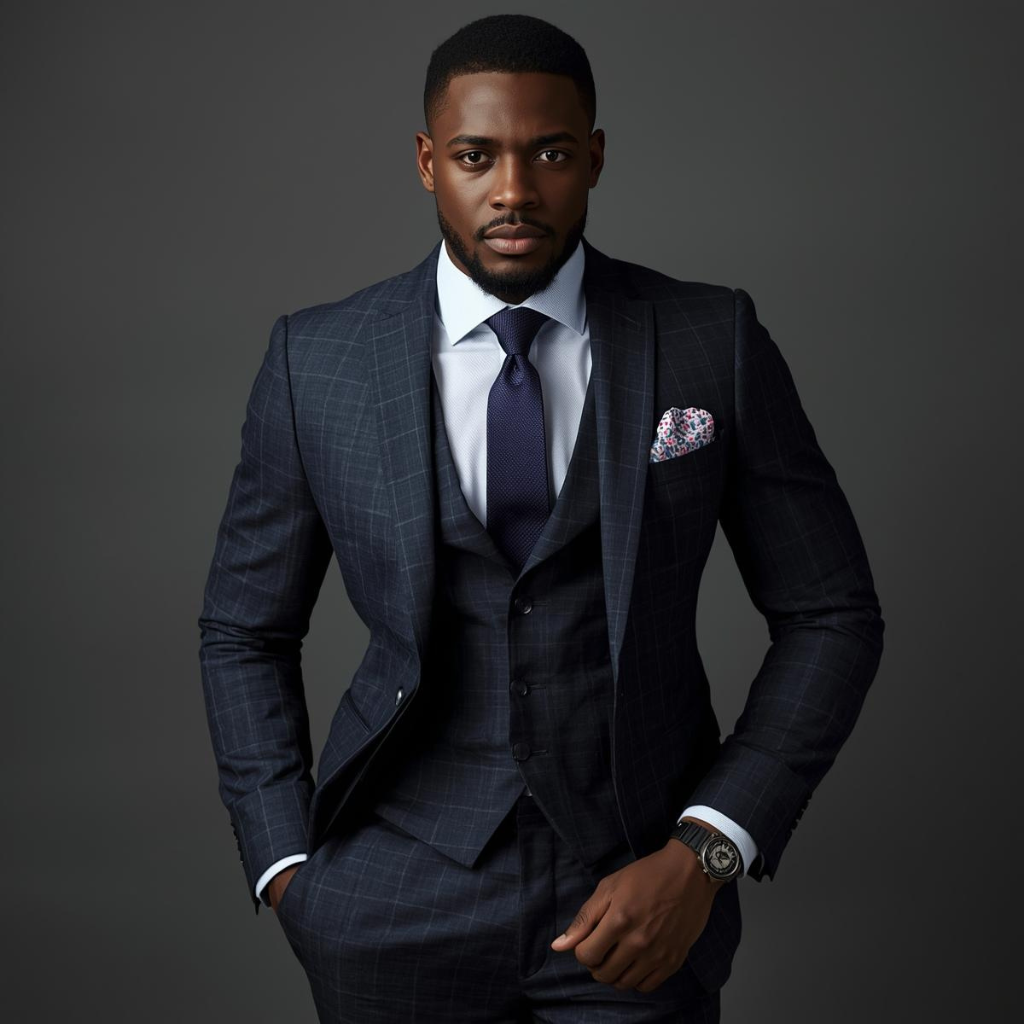
You searched “custom suit” and found prices ranging from $300 to $7,000. Three companies all call themselves “custom.” One charges $400. Another charges $4,500. Nobody explains why. This guide breaks down exactly what drives the cost of a suit at every tier, what your money actually buys at each price point, and how to figure out what makes sense for your budget and your life.
TLDR: Off-the-rack suits run $200 to $900 before alterations. Made-to-measure typically falls between $800 and $2,500 depending on fabric and construction. Bespoke starts around $3,000 and can exceed $10,000 at top Savile Row houses. The biggest cost drivers are fabric quality, construction method, and the hours of skilled human labor involved. For most men, made-to-measure delivers the best long-term value when you factor in cost per wear. Read on for the full breakdown.
You have probably looked at a $400 suit and a $2,000 suit side by side and thought they looked pretty similar on a hanger. That is because on a hanger, they do. The differences show up when you put them on, when you wear them for a year, and when you look at the total amount you have spent after replacing the cheap one twice.
The suit industry does a terrible job of explaining what different price points actually buy. Most brands talk about “quality” and “craftsmanship” without ever saying what those words mean in dollar terms. This article fixes that. Every price range, every cost driver, every trade-off, explained honestly.
The Three Main Cost Drivers Behind Every Suit
Before diving into specific price ranges, you need to understand the three things that determine what a suit costs. Every suit at every price point is built from the same three components, just at different quality levels.
Fabric
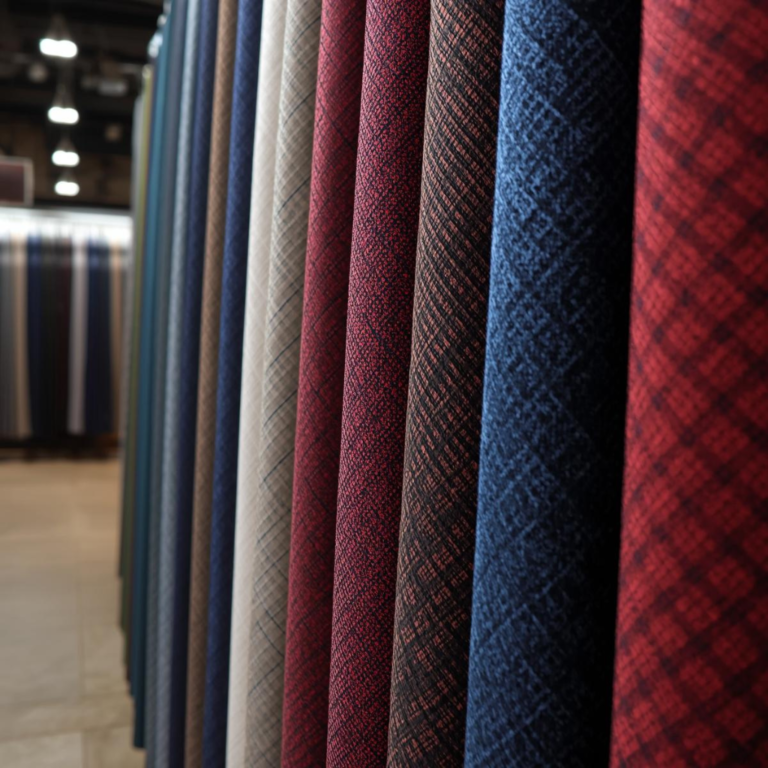
Fabric is the single biggest variable in suit pricing. The differences come down to where the wool comes from, how finely it is spun, and which mill produces it.
Entry-level suit fabrics use coarser wool fibers (Super 100s and below) from commodity sources. These fabrics are durable and functional but feel stiffer and have less natural drape. Premium fabrics use finer fibers (Super 120s to Super 150s) from respected mills like Vitale Barberis Canonico, Loro Piana, or Dormeuil. The finer the fiber, the softer the hand feel and the more refined the drape, but the fabric also becomes more delicate.
The cost difference between an entry-level fabric and a premium mill fabric on the same suit can easily be $200 to $500 or more.
Construction
How the suit is built on the inside matters as much as the fabric on the outside. There are three construction methods:
Fused construction glues a synthetic interlining to the outer fabric using heat and pressure. It is the cheapest method, creates a stiffer feel, and can bubble or pucker after repeated dry cleaning. Nearly all off-the-rack suits under $500 use fused construction.
Half-canvas construction stitches a layer of horsehair and wool canvas into the chest and shoulder area while the lower panels may be fused. This gives the jacket better shape, allows it to mold to your body over time, and breathes more naturally. Most quality made-to-measure suits use half canvas.
Full-canvas construction runs the canvas layer through the entire front of the jacket. It creates the best drape, the most natural movement, and the longest lifespan. Full canvas is standard in premium made-to-measure and all bespoke suits. It also adds significant labor cost because the canvas must be hand-stitched into place.
Human Expertise and Labor
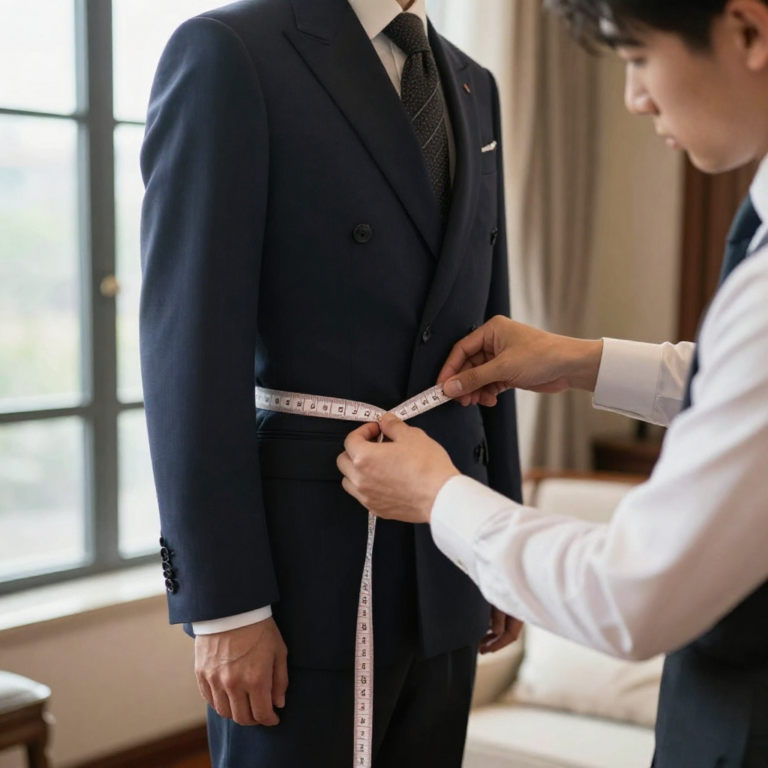
This is the cost driver most people overlook. An off-the-rack suit is cut and assembled largely by machines in a factory, with minimal individual attention. A made-to-measure suit requires a trained fitter to take measurements, observe posture, adjust a pattern, and conduct one or two fittings. A bespoke suit requires a master cutter to draft a unique pattern from scratch, with around 60 hours of skilled hand labor and multiple fittings during construction.
The difference between a $400 suit and a $4,000 suit is largely the difference between zero hours of individual attention and 60 or more hours of skilled craftsmanship focused entirely on one person.
What You Get at Each Price Point
Off-the-Rack: $200 to $900
An off-the-rack suit is mass-produced in standardized sizes. No individual measurements are taken. You pick the closest size, buy it, and take it to a local tailor for alterations.
What your money buys:
- Factory-produced garment in a standard size
- Typically fused construction
- Fabric from commodity or mid-tier sources
- No individual measurements or fittings
- Available immediately
The hidden cost most people miss: Alterations. A decent tailor will charge $100 to $200 to adjust an off-the-rack suit, and some structural issues (shoulders, armholes, jacket length) cannot be fixed at any price. According to industry cost breakdowns from respected tailoring sources, alterations typically add 10 to 30 percent to the purchase price.
That means a $500 off-the-rack suit with $150 in alterations is really a $650 suit, and the fit still will not match what you get from a suit built to your measurements from the start.
Best for: Immediate needs, very tight budgets, men who wear suits rarely, and anyone whose body proportions happen to align closely with standard sizing.
Made-to-Measure: $800 to $2,500
A made-to-measure suit starts with a pre-existing pattern that is adjusted to your specific body measurements before the fabric is cut. The key difference from off-the-rack: the suit is built for your body, not for an average.
What your money buys:
- 12 to 16 body measurements taken by a trained fitter
- Pattern adjusted to your proportions and posture
- Choice of fabric from curated mill selections
- Half-canvas or full-canvas construction
- Full design customization (lapels, pockets, buttons, lining, vents)
- One or two fittings to refine the result
- Four-to-eight-week production timeline
Where the price range comes from: The spread between $800 and $2,500 is driven almost entirely by fabric choice and construction level. An entry-level MTM suit with a solid Super 100s fabric and half-canvas construction sits at the lower end. A premium MTM suit with a Super 130s fabric from a named Italian or British mill and full-canvas construction sits at the higher end.
The human expertise component, including the consultation, measurements, posture observation, and fittings, is roughly consistent across the range. You are paying for the same level of individual attention whether you choose the entry-level or premium fabric.
Best for: Most men. Anyone who wants a significant fit improvement over off-the-rack, values choosing their own fabric and design details, and wants the best return on investment over the life of the suit.
Bespoke: $3,000 to $10,000+
A bespoke suit is created entirely from scratch. No pre-existing pattern is used. A master cutter drafts a unique paper pattern based on 20 or more measurements and detailed observation of your body.
What your money buys:
- Unique pattern created from scratch for your body alone
- 20 or more detailed measurements plus extensive posture and body analysis
- Around 60 hours of skilled hand labor per suit
- Full-canvas, hand-constructed throughout
- Access to fabric selections from 10 or more mills
- Multiple fittings during construction (not just after delivery)
- Direct relationship with the master cutter throughout the process
- Pattern saved on file for future orders
Where the price range comes from: Independent bespoke tailors outside of major fashion capitals typically start around $3,000 to $5,000. Savile Row houses, where Mayfair rents, centuries of tradition, and the highest concentration of master cutters in the world drive costs, generally start upward of $4,000 and can exceed $10,000 depending on fabric and complexity. Some houses, like Huntsman and Edward Sexton, are known to start in the mid-four figures and climb from there, with a minimum of 50 hours of skilled hand labor in every garment.
Important honesty note: First bespoke commissions rarely achieve perfect fit. The pattern gets refined over multiple suits with the same tailor. Bespoke is a long-term relationship, not a one-time purchase. That is part of why it works best for men who will have several suits made with the same house over time.
Best for: Men who wear suits daily and demand the highest level of fit precision, those with significant body asymmetry or unusual proportions, and anyone willing to invest in a long-term tailor relationship.
The Full Comparison: Side by Side
| Feature | Off-the-Rack | Made-to-Measure | Bespoke |
|---|---|---|---|
| Price range | $200-$900 + alterations | $800-$2,500 | $3,000-$10,000+ |
| Fabric tier | Commodity to mid-range | Mid-range to premium mill | Premium to luxury mill |
| Construction | Fused | Half canvas or full canvas | Full canvas, hand-built |
| Labor hours | Factory production | Pattern adjustment + 1-2 fittings | 60+ hours of hand labor |
| Number of fittings | 0 (try on in store) | 1-2 after delivery | 3-4 during construction |
| Expected lifespan | 2-4 years with regular wear | 5-8 years with regular wear | 10+ years with regular wear |
| Customization | Whatever is on the rack | Full (fabric, lapels, pockets, lining) | Unlimited |
The Real Math: Cost Per Wear
This is the calculation that changes how most men think about suit pricing. A cheap suit that falls apart in two years is not actually cheap. A well-made suit that lasts a decade can be the most economical choice you make.
Here is how the math works using illustrative figures:
Off-the-rack: A $500 suit worn 50 times per year for 3 years before it needs replacing. That is 150 total wears, which comes out to about $3.33 per wear.
Made-to-measure: A $1,200 suit worn 75 times per year for 6 years (better construction lasts longer, and you wear it more because it fits better). That is 450 total wears, which comes out to about $2.67 per wear.
Bespoke: A $4,000 suit worn 60 times per year for 10 years. That is 600 total wears, which comes out to about $6.67 per wear.
The made-to-measure suit in this scenario actually costs the least per wear. It is more durable than off-the-rack, you wear it more often because the fit is noticeably better, and the total cost over its lifespan is lower than replacing cheaper suits repeatedly.
Bespoke has the highest cost per wear in raw numbers, but for someone who wears suits daily and values the absolute pinnacle of fit, the longevity and the experience justify the premium.
Pro tip: Think about how many suits you currently cycle through. If you are wearing the same two or three off-the-rack suits and replacing them every couple of years, add up what you have actually spent over the last five years. That number often surprises people, and it puts the cost of a quality made-to-measure suit into perspective.
What a Higher Price Actually Buys You
The jump from a $500 suit to a $2,000 suit is not just “better quality” in some vague sense. Here is what a higher-priced suit actually buys you in concrete terms:
Better fabric. Premium mill fabrics drape more naturally, breathe better, resist wrinkles more effectively, and feel noticeably different against your body. The difference between a commodity wool and a Super 120s from Vitale Barberis Canonico is something you feel the moment you put the jacket on.
Better construction. Canvas construction (half or full) creates a jacket that molds to your chest over time instead of fighting against it. A fused suit looks the same on day 500 as day 1, assuming the glue has not started to fail. A canvas suit actually looks better after 50 wears because the horsehair interlining has conformed to your body.
Individual attention. The hours a skilled fitter spends taking measurements, observing your posture, guiding your design choices, and refining the fit through fittings are the single biggest quality differentiator. No amount of premium fabric or hand stitching compensates for a suit that was built without individual attention to your body.
Design control. With made-to-measure and bespoke, you choose every detail. Lapel width, pocket style, button count, lining color, vent style, trouser rise. With off-the-rack, you choose from what is on the rack.
Which Price Point Makes Sense for You?
Rather than giving a single answer, here are three scenarios based on how most men actually think about this decision.
If your budget is tight and you wear suits occasionally: A quality off-the-rack suit in the $400 to $600 range with targeted alterations (sleeves, waist, trouser hem) is a reasonable approach. Focus your alteration budget on the items that can actually be fixed and accept that shoulders and armholes are what they are. This is a perfectly respectable option for suits worn a few times per month.
If you want a meaningful upgrade and will wear the suit regularly: Made-to-measure is the sweet spot. The fit improvement over off-the-rack is dramatic, the cost-per-wear math favors you over the long term, and you get full control over fabric and design. This is where most men find the best balance of quality, fit, and value. For Kansas City professionals looking for custom business suits, made-to-measure delivers the biggest upgrade per dollar.
If you live in suits and want the absolute best: Bespoke is the pinnacle. A unique pattern drafted from scratch, 60 or more hours of hand labor, and multiple fittings during construction. It is also a commitment. The best results come from building a long-term relationship with one tailor over multiple suits. If you wear suits five days a week and see them as a core tool of your professional identity, bespoke is worth exploring.
How The Suit Doctor Approaches Value
The Suit Doctor provides expert-guided made-to-measure suits. We are transparent about that. We do not call it “bespoke” because it is not, and honesty about what you are getting is more valuable than a marketing label.
Here is what that transparency means for pricing:
The cost structure follows the same logic as the industry. Fabric tier, construction quality, and the hours of skilled human attention are what determine the price of any suit, including ours. Your fitter will walk you through the options and explain exactly what different choices cost and why.
We do not publish a single price because there is not a single product. A made-to-measure suit with a durable Super 100s wool and half-canvas construction costs less than one with a premium Super 130s from a named Italian mill and full-canvas construction. The consultation exists specifically to match your budget and your goals to the right combination of fabric and construction.
Mobile fitting is part of the value, not an upcharge. The Suit Doctor comes to you, whether that is your home, your office, or wherever works. That saves you time, puts you in a comfortable environment for the fitting, and means you have your actual dress shoes and shirts on hand for accurate measurements. If you have read our step-by-step guide to the Kansas City custom suit process, you know exactly what every appointment looks like.
Want to find out what makes sense for your situation and budget? Schedule your Kansas City suit consultation with The Suit Doctor. No obligation, no pressure. Just an honest conversation about what you need and what it costs.
Frequently Asked Questions
Q: Why do custom suit prices vary so much? Because “custom” covers everything from a slightly modified off-the-rack garment to a genuine bespoke suit built from scratch over 60 hours. The three cost drivers are always the same: fabric quality, construction method, and the hours of skilled labor involved. A $400 “custom” suit and a $4,000 bespoke suit are fundamentally different products that happen to share a word.
Q: Is paying for a premium fabric mill actually worth it? If you are wearing the suit regularly, yes. Fabrics from mills like Vitale Barberis Canonico, Loro Piana, and Dormeuil drape better, resist wrinkles more effectively, and feel noticeably different from commodity alternatives. For a suit worn once or twice a month, the difference matters less. For a suit in your weekly rotation, it matters a lot.
Q: How do I avoid overpaying for a suit? Ask three questions: What construction method is used (fused, half canvas, or full canvas)? Which mill produced the fabric? How many fittings are included? If a company charges premium prices but uses fused construction and a single fitting, you are paying for a brand name, not quality. If a company charges moderate prices but offers canvas construction, named fabrics, and multiple fittings, you are getting genuine value.
Q: Is made-to-measure worth the extra cost over off-the-rack? For most men, absolutely. Once you factor in the cost of alterations on an off-the-rack suit ($100 to $200) and the structural limitations that alterations cannot fix (shoulders, armholes, jacket length), the real price gap between a decent off-the-rack suit and an entry-level MTM suit is smaller than most people think. And the fit difference is not even close.
Q: Should I save up for bespoke or buy made-to-measure now? Buy made-to-measure now. A well-fitted MTM suit you wear today delivers more value than a bespoke suit you save for over two years. If your needs and budget eventually justify bespoke, you will already understand what good fit feels like and can make a more informed decision about whether bespoke is worth the additional investment.
Q: Can I get a quality suit for under $1,000? Yes. Entry-level made-to-measure suits from reputable providers start in that range and deliver dramatically better fit than off-the-rack at the same price point. The fabric will be a solid, durable everyday wool rather than a luxury mill selection, and the construction will typically be half canvas. That is a perfectly good suit for daily professional wear.
Q: Why does The Suit Doctor not list prices on the website? Because the price depends on your choices. A suit with a durable workhorse fabric and half-canvas construction costs less than one with a premium mill fabric and full-canvas construction. Rather than publishing a range that might not reflect what you actually need, we discuss your budget and goals during the consultation and match you to the right combination. That is more honest than a number on a webpage.
Q: What does a consultation cost? Nothing. The consultation is free, no-obligation, and happens wherever is most convenient for you. It is a conversation about what you need, what the options are, and what each option costs. You leave with clear information whether you decide to move forward or not.
Key Takeaways
- The three cost drivers are always the same. Fabric quality, construction method (fused vs. canvas), and hours of skilled human labor determine the price of every suit at every tier.
- Off-the-rack is not as cheap as it looks. Once you add $100 to $200 in alterations and account for a shorter lifespan, the real cost approaches entry-level made-to-measure with significantly less to show for it.
- Made-to-measure is the best value for most men. The cost-per-wear math consistently favors MTM over both off-the-rack (which needs replacing sooner) and bespoke (which costs three to five times more).
- Bespoke is the pinnacle, not the default. Around 60 hours of hand labor, a unique pattern, and multiple fittings during construction justify the price for the right buyer. That buyer wears suits daily and is willing to build a long-term tailor relationship.
- A higher Super number is not always better. Super 100s to 120s are the sweet spot for durability and daily wear. Finer fabrics feel incredible but are best reserved for occasional suits.
- Ask about construction, not just price. Fused, half canvas, or full canvas tells you more about what you are getting than the dollar amount on the tag.
- The person guiding your fitting is part of what you are paying for. A skilled fitter who observes your posture, guides your choices, and refines the fit through multiple fittings is the difference between a suit that fits and a suit that transforms how you carry yourself.
Ready to Find Out What Makes Sense for Your Budget?
You now understand what drives the cost of a suit at every level and which price point delivers the best value for your situation. The next step is a simple conversation.
The Suit Doctor offers:
- Expert-guided made-to-measure suits matched to your budget and goals
- Free, no-obligation consultations at your home, office, or wherever works
- Full transparency about fabric, construction, and pricing
- Business suits, groom and groomsmen suits, prom suits, and full wardrobe building
- A mobile fitting process designed to save you time without cutting corners
Ready to get started? Reach out today:
Visit: https://thesuitdoctor.com/
Go to the contact page to request your consultation.
The Suit Doctor | Custom and Made-to-Measure Suits for Men Who Take Their Look Seriously.